Navigating the fresh produce aisle can sometimes feel like a geography lesson, particularly when it comes to tropical fruits. If you have ever stood in the supermarket comparing a red-fleshed fruit with a yellow one, wondering if they are the same thing, you are certainly not alone. The terms papaya and pawpaw are often used interchangeably, leading to widespread confusion among shoppers in the UK and abroad.
While they may share similar textures and are both celebrated for their vibrant flavours, distinct differences exist depending on where you are in the world. In some regions, these names refer to varieties of the same botanical species. In others, they describe completely unrelated plants with vastly different taste profiles.
Understanding these distinctions can help you make better dietary choices and select the perfect fruit for your morning smoothie or fruit salad. Whether you are looking to boost your digestion or simply try something new, knowing your papaya from your pawpaw is the first step.
To help you maintain a balanced diet, this article explores the botanical, nutritional, and culinary differences between these popular fruits.
What Is the Difference? A General Overview
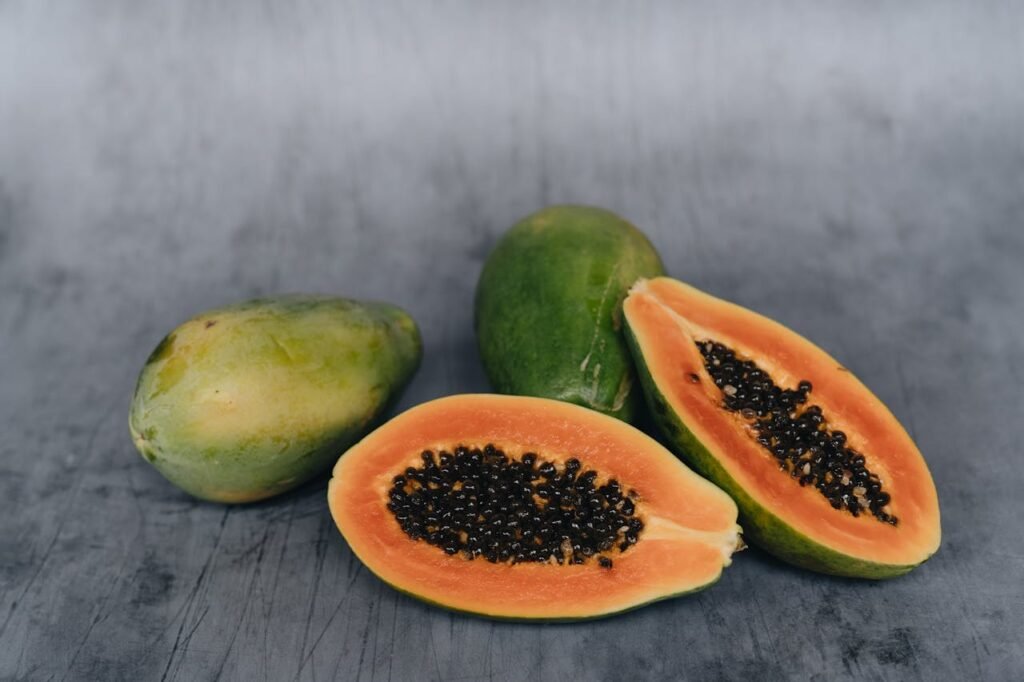
The primary confusion between papaya and pawpaw stems from linguistic variations rather than biological ones. In the UK, Australia, and many Commonwealth nations, the word ‘pawpaw’ is often used to describe the yellow-fleshed variety of the tropical papaya (Carica papaya). Conversely, the red or orange-fleshed variety is simply called ‘papaya’.
However, in North America, the term ‘pawpaw’ refers to a completely different fruit altogether: the Asimina triloba. This fruit is native to the United States and Canada, belonging to the Annonaceae family, which makes it a distant cousin of the custard apple/cherimoya, not the tropical papaya.
To confuse matters further, the scientific botanical classification of the tropical fruit we see in British supermarkets is always Carica papaya, regardless of whether the label says ‘papaya’ or ‘pawpaw’.
Therefore, when discussing these fruits, it is critical to clarify whether you are comparing the two varieties of tropical papaya (Red vs Yellow) or the tropical papaya against the North American pawpaw.
The Tropical Papaya: Red vs Yellow
Most British shoppers are encountering the tropical papaya. These fruits are pear-shaped, originating from Central America and Southern Mexico, though they are now grown in tropical climates globally.
Red Papaya
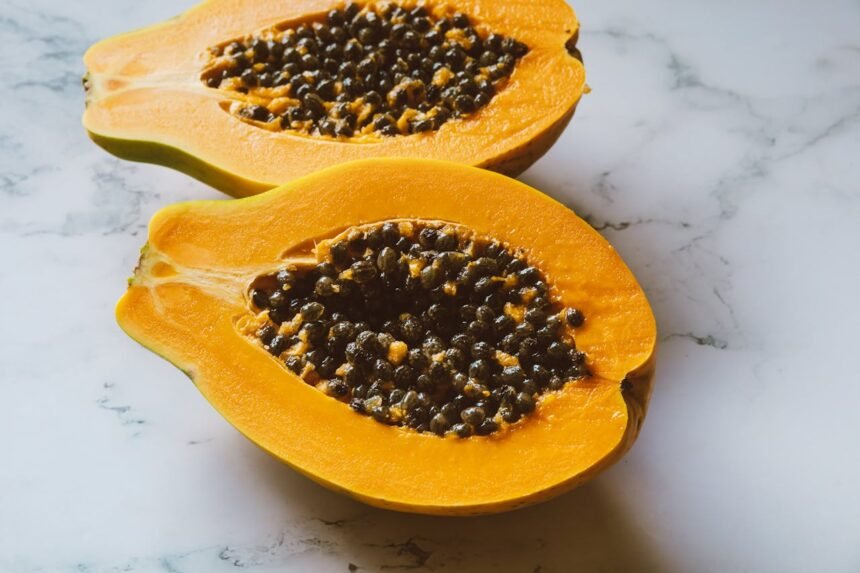
Red papaya typically has a green skin that turns yellow-orange as it ripens. The flesh inside is a vibrant reddish-orange colour.
- Flavour: It has a sweet, melon-like flavour with subtle berry undertones. It is generally sweeter than the yellow variety.
- Texture: The flesh is soft and succulent, similar to a ripe cantaloupe.
- Uses: Because of its sweetness, red papaya is often eaten raw with a squeeze of lime or added to fruit salads.
Yellow Papaw
In the UK and Australia, the yellow-fleshed variety is frequently labelled as yellow pawpaw. It tends to be larger and rounder than the red papaya.
- Flavour: The taste is less sweet, often described as milder or more neutral. Some people detect a slight muskiness.
- Texture: It is firmer than red papaya, making it easier to slice without mushing.
- Uses: Due to its milder taste and firm texture, it is excellent in Asian salads (like Thai Som Tum) or cooked in savoury dishes.
For a deep dive into the nutritional advantages of these tropical varieties, check out this comprehensive guide on impressive health benefits.
The North American Pawpaw (Asimina triloba)
Rarely seen in UK supermarkets but gaining popularity among horticulture enthusiasts, the North American pawpaw is the largest edible fruit indigenous to the United States.
- Appearance: It looks like a short, stubby mango or a greenish-brown potato. The skin is thin and easily bruised.
- Flavour: The taste is distinctively tropical, often described as a cross between a banana, mango, and pineapple.
- Texture: It has a soft, creamy, custard-like consistency, very different from the watery crunch of a melon.
For those interested in unique produce, the Asimina triloba offers a culinary experience totally distinct from the tropical papaya.
Nutritional Breakdown
Both tropical papaya and pawpaw are nutritional powerhouses. They are low in calories but rich in vitamins, minerals, and enzymes that support overall health.
Vitamin C Content
Papayas are exceptionally high in Vitamin C. A single medium-sized fruit can provide more than double your daily recommended intake. Vitamin C is essential for immune function and collagen synthesis.
Digestive Enzymes
One of the most notable features of the papaya family is the presence of papain, a proteolytic enzyme. This enzyme helps break down proteins in the digestive system, which can ease bloating and constipation.
Several scientific studies have highlighted papain’s effectiveness in supporting digestive processes. It is so effective that it is frequently used commercially as a meat tenderiser.
Antioxidants
Both fruits are loaded with carotenoids, particularly beta-carotene and lycopene (in the red varieties). These antioxidants help reduce oxidative stress in the body. According to Medical News Today, consuming antioxidant-rich foods may lower the risk of heart disease.
Fibre
High fibre content is a hallmark of these fruits. Increasing your fibre intake is linked to better gut health and regulated blood sugar levels. The British Nutrition Foundation recommends including a variety of fibre sources in your daily intake.
Culinary Uses: How to Enjoy Them
Papaya and pawpaw are incredibly versatile in the kitchen. Here is how you can incorporate them into your meals.
Preparation Tips
- Selection: Look for skin that is turning from green to yellow. The fruit should yield slightly to gentle pressure, similar to a ripe avocado.
- Cleaning: Wash the skin thoroughly before cutting.
- Seeds: Scoop out the black, peppery seeds. Interestingly, these seeds are edible and can be dried and used as a pepper substitute, though they have a strong flavour.
Recipe Ideas
- Breakfast: Halve the fruit, remove the seeds, and fill the centre with Greek yoghurt and honey.
- Savoury Salads: Use unripe (green) papaya for a crunchy texture in slaws. It acts as a versatile ingredient that absorbs dressings beautifully.
- Smoothies: Blend ripe flesh with banana and coconut milk for a tropical drink.
- Meat Marinade: Mash the flesh or use the skin (which contains high papain) to marinate tough cuts of meat before cooking.
Potential Risks and Considerations
While generally safe, there are a few precautions to consider before adding these fruits to your diet.
Latex-Fruit Syndrome
Unripe papayas contain a significant amount of latex fluid. Individuals with a latex allergy may experience cross-reactivity. This condition, known as latex-fruit syndrome, can cause itching, swelling, or more severe allergic reactions. If you have a known latex allergy, consult your GP before consuming papaya.
Pregnancy
Traditionally, unripe papaya has been avoided during pregnancy in some cultures due to the high latex content, which was believed to induce contractions. Ripe papaya is generally considered safe, but it is always best to consult a healthcare professional.
Comparison Table
To summarise the key distinctions, refer to the table below:
| Feature | Tropical Papaya (Red) | Tropical Pawpaw (Yellow) | North American Pawpaw |
|---|---|---|---|
| Scientific Name | Carica papaya | Carica papaya | Asimina triloba |
| Origin | Central America | Central America | North America (US/Canada) |
| Flesh Colour | Red or Pinkish-Orange | Yellow | Creamy White or Yellow |
| Texture | Soft, Melon-like | Firmer, slightly fleshy | Custard-like, creamy |
| Taste | Sweet, berry notes | Mild, less sweet | Banana-Mango-Pineapple |
| Best For | Eating raw, fruit salads | Cooking, Asian salads | Baking, puddings, raw |
| Seed Appearance | Many small black seeds | Many small black seeds | Large, brown bean-like seeds |
Frequently Asked Questions
Is pawpaw just another name for papaya?
In the UK and Australia, yes. ‘Pawpaw’ usually refers to the yellow variety of Carica papaya. However, in the US, ‘pawpaw’ refers to the Asimina triloba, a completely distinct fruit.
Can you eat the seeds of a papaya?
Yes, the seeds are edible. They have a crunchy texture and a sharp, spicy flavour reminiscent of black peppercorns and horseradish. They are rich in healthy fats and small amounts of protein.
How do you ripen a papaya quickly?
If your papaya is green and hard, place it in a paper bag with a banana. The ethylene gas released by the banana will speed up the ripening process. Keep it at room temperature until it softens.
Why does my papaya smell like vomit?
Some people detect a disagreeable odour in ripe papaya. This is due to the enzyme papain. A squeeze of fresh lime juice over the flesh usually neutralises this smell and enhances the flavour.
Are cooked papayas healthy?
Yes, cooking papaya is common in many cuisines. While heat may reduce the Vitamin C content slightly, the fibre and mineral content remain intact, and cooking can make it easier to digest for some people.
The Bottom Line
The difference between papaya and pawpaw largely depends on where you live and what variety you are discussing. In the UK, you are likely choosing between the sweet red papaya and the milder yellow pawpaw, both of which are varieties of the same tropical plant.
Both fruits offer a wealth of vitamins, antioxidants, and digestive enzymes that can support a healthy lifestyle. Whether you prefer the sweet, melon-like taste of the red variety or the firmer texture of the yellow, incorporating these fruits into your diet is a delicious way to boost your nutrient intake.
Always wash fruit before eating and consider trying the North American pawpaw if you ever get the chance to visit the United States during autumn. By understanding these differences, you can shop with confidence and enjoy the full spectrum of flavours these fruits have to offer.