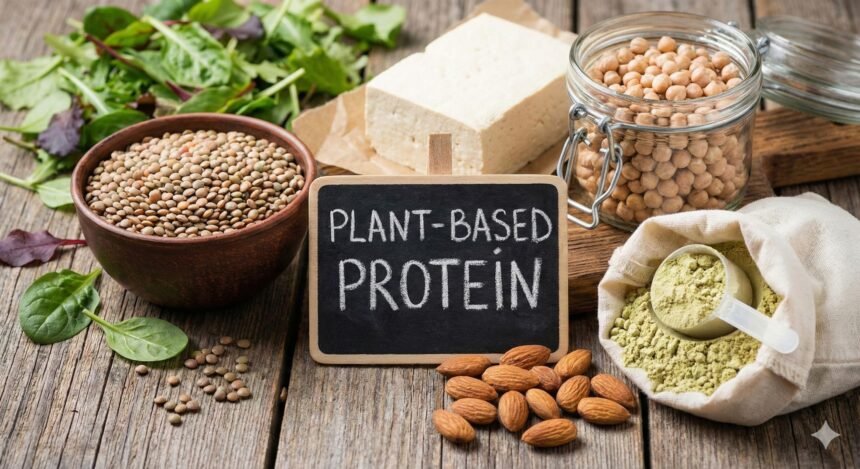
Plant-based protein research is rapidly evolving, delivering new options that are more nutritious, better tasting, and more sustainable than earlier generations of products. Recent studies and industry reports show strong growth in the plant-based protein market, along with scientific advances that improve protein quality, digestibility, and health benefits. These breakthroughs are reshaping how consumers, athletes, and health-conscious people think about meeting their daily protein needs.mofpi+4
Why Plant-Based Protein Matters
Plant proteins from legumes, grains, nuts, seeds, and novel sources provide essential amino acids along with fiber, vitamins, minerals, and beneficial phytochemicals. Higher intake of plant protein relative to animal protein is linked with lower risks of cardiovascular disease and coronary heart disease when red and processed meats are reduced. Diets emphasizing plant-based protein are also associated with healthier body weight, lower blood pressure, and better metabolic markers in many observational studies.hackensackmeridianhealth+3
From a sustainability perspective, plant-based proteins generally require fewer natural resources and produce fewer greenhouse gas emissions than conventional meat and dairy. This makes them attractive for addressing climate and environmental goals while still supporting adequate global protein supply. The combination of health and sustainability benefits is a key driver of current research and product innovation.sciencedirect+3
New and Emerging Protein Sources
Traditional plant proteins like soy and wheat are now being joined by a wider range of crops and ingredients. Researchers and companies are exploring peas, chickpeas, fava beans, lentils, lupin, oats, hemp, and rapeseed, as well as algae and fungi-based ingredients. These sources can offer high protein content, improved allergen profiles, and different functional properties that suit various foods.acsess.onlinelibrary.wiley+2
Breeding and agronomic research aim to develop plant-protein crops with higher yields, better amino acid profiles, and improved resistance to climate stress. At the same time, processing technologies such as protein isolation, texturization, and extrusion are being optimized to turn these raw materials into meat, dairy, and egg alternatives with appealing texture and taste. This combination of agricultural and food-science innovation underpins many recent product launches.foodengineeringmag+3
Fermentation and Protein Quality Improvements
One of the most important breakthroughs in plant-based protein research is the use of fermentation to enhance quality. Solid-state fermentation and other techniques use microorganisms to partially break down plant proteins and remove antinutritional factors that can interfere with digestion. This process can increase protein digestibility, generate bioactive peptides, and create more complex, enjoyable flavors and textures.orbit.dtu+3
Fermented plant foods such as tempeh, natto, and similar products illustrate how fermentation can transform beans or soy into more digestible and palatable protein sources. Modern research expands these principles to a wider range of crops and ingredients for use in burgers, snacks, dairy alternatives, and beverages. As a result, newer plant-based products may cause fewer digestive complaints while delivering higher usable protein per serving.sciencedirect+3
Health Impacts Compared With Animal Protein
Recent evidence indicates that plant-based proteins can supply all essential amino acids when a variety of sources are eaten across the day. A large study from Harvard suggests that a higher ratio of plant protein to animal protein is associated with reduced risks of cardiovascular and coronary heart disease, especially when red and processed meats are replaced with plant sources. Reviews also find that plant-forward diets are linked with lower blood pressure, better cholesterol profiles, and reduced incidence of type 2 diabetes.scitechdaily+3
While animal proteins can be slightly more effective per gram at stimulating muscle protein synthesis, research shows that total protein intake and resistance training matter more than the specific source for most people. Blending complementary plant proteins and modestly increasing total protein intake can help support muscle maintenance and performance for active individuals and older adults. Overall, current findings support the safety and effectiveness of plant-based proteins as part of a balanced diet.hsph.harvard+3
Market Growth and Innovation Trends
The plant-based protein market is expanding quickly, driven by consumer interest in health, ethical eating, and climate-conscious choices. Reports estimate the global plant-based protein sector in the tens of billions of dollars, with strong projected growth through 2030 as more products reach mainstream shelves. Investment is flowing into precision fermentation, molecular farming, and other biotech approaches that can produce next-generation protein ingredients with cleaner labels and improved functionality.finance.yahoo+3
Companies are moving beyond soy and pea to diversify ingredient sources, address allergen concerns, and create more regional and culturally relevant foods. Plant-based protein is appearing in meat alternatives, dairy substitutes, ready-to-drink beverages, sports nutrition, and fortified staple foods. These trends suggest that plant proteins will play an increasingly central role in future food systems.persistencemarketresearch+3
Plant-Based Protein Breakthroughs Table
| Area | Earlier Situation | Recent Breakthroughs and Findings |
|---|---|---|
| Protein sources | Mainly soy and wheat isolatesacsess.onlinelibrary.wiley | Wider use of peas, chickpeas, fava beans, algae, fungisciencedirect+1 |
| Digestibility and gut comfort | Concerns about antinutritional factorssciencedirect | Fermentation improves digestibility and reduces inhibitorsorbit.dtu+1 |
| Health outcomes | Assumed similar to other plant foodshealthline | Higher plant-to-animal protein ratio linked to lower CVD riskhsph.harvard |
| Sensory quality | Off-flavors, limited textures in early productssciencedirect | Advanced texturization and fermentation create better taste/mouthfeelorbit.dtu+1 |
| Sustainability and scale | Niche environmental solutionmofpi | Rapid market growth and global supply chain expansionmofpi+1 |
Conclusion
Breakthroughs in plant-based protein research are delivering more complete, digestible, and appealing protein options that support both human health and environmental sustainability. Advances in crop development, fermentation, and food processing are helping plant proteins rival animal proteins in functionality while offering advantages for heart health and chronic disease prevention when used in well-planned diets. As innovation and market growth continue, plant-based proteins are likely to become an essential foundation of everyday nutrition for health-conscious consumers worldwide.towardsfnb+5
- https://mofpi.gov.in/sites/default/files/KnowledgeCentre/Sector%20Profile/Plant_based_Protein_sector_profile%20(1).pdf
- https://www.sciencedirect.com/science/article/abs/pii/S2212429225018851
- https://finance.yahoo.com/news/plant-based-protein-market-outlook-080200588.html
- https://www.persistencemarketresearch.com/blog/plant-based-protein-is-shaping-the-future-of-nutrition-for-health-conscious-consumers.asp
- https://www.towardsfnb.com/insights/plant-based-protein-market
- https://www.hackensackmeridianhealth.org/en/healthu/2023/06/02/is-plant-protein-better-than-meat
- https://www.webmd.com/diet/difference-between-animal-protein-plant-protein
- https://hsph.harvard.edu/news/higher-ratio-of-plant-protein-to-animal-protein-may-improve-heart-health/
- https://www.healthline.com/nutrition/animal-vs-plant-protein
- https://acsess.onlinelibrary.wiley.com/doi/10.1002/csc2.21389
- https://pmc.ncbi.nlm.nih.gov/articles/PMC11898459/
- https://www.foodengineeringmag.com/articles/103363-alternative-protein-in-2025-brkey-trends-and-technologies
- https://orbit.dtu.dk/en/publications/solid-state-fermented-plant-foods-as-new-protein-sources/
- https://www.tandfonline.com/doi/full/10.1080/10408398.2025.2560680
- https://pubmed.ncbi.nlm.nih.gov/38109492/
- https://www.annualreviews.org/content/journals/10.1146/annurev-food-060721-013526
- https://www.sciencedirect.com/science/article/pii/S0308814625022642
- https://scitechdaily.com/groundbreaking-study-plant-based-proteins-could-be-the-key-to-longer-life/
- https://pmc.ncbi.nlm.nih.gov/articles/PMC7926405/
- https://gfi.org/wp-content/uploads/2025/04/2024-state-of-alternative-proteins-report.pdf