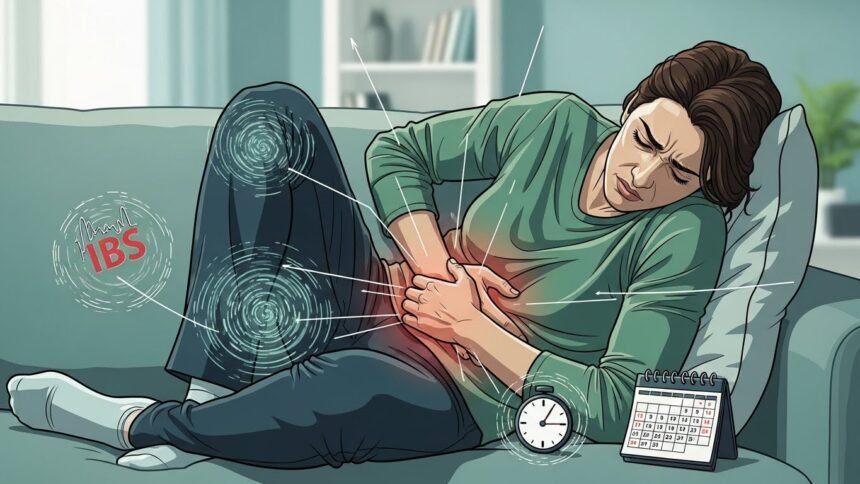
Living with Irritable Bowel Syndrome (IBS) can often feel like navigating a minefield without a map. One day a meal leaves you feeling energized, and the next, the same ingredients cause discomfort, bloating, or unpredictable digestive distress. You are not alone in this struggle; according to the National Institute of Diabetes and Digestive and Kidney Diseases (NIDDK), IBS affects a significant portion of the global population, impacting quality of life and daily productivity.
While the exact cause of IBS remains a complex puzzle involving the gut-brain axis, sensitive nerves, and muscle contractions, one factor remains entirely within your control: your nutrition. Achieving gut harmony does not necessarily mean adhering to a restrictive lifestyle forever. Instead, it involves strategic IBS dietary tweaks relief plans tailored to your unique physiology.
This comprehensive guide explores the science-backed dietary strategies, from the gold-standard Low FODMAP diet to understanding the nuances of fiber, empowering you to reclaim control over your digestive health.
Decoding Irritable Bowel Syndrome
Before diving into dietary solutions, it is essential to understand the condition. IBS is a functional gastrointestinal disorder, meaning the gut looks normal during exams but functions abnormally. Symptoms can range from cramping, abdominal pain, bloating, gas, and diarrhea or constipation (or both).
Research from the Mayo Clinic suggests that IBS is often triggered by food, stress, or hormonal changes. Because the triggers vary wildly from person to person, a “one-size-fits-all” diet rarely works. The goal of dietary intervention is to identify specific intolerances and nourish the microbiome without causing inflammation or excessive fermentation.
The Gold Standard: The Low FODMAP Diet
When seeking IBS dietary tweaks relief, the Low FODMAP diet is widely considered the most effective evidence-based intervention. Developed by researchers at Monash University, this diet focuses on reducing specific carbohydrates that are poorly absorbed in the small intestine.
FODMAP stands for:
- Fermentable
- Oligosaccharides (e.g., wheat, onions, garlic)
- Disaccharides (e.g., lactose in dairy)
- Monosaccharides (e.g., excess fructose in honey, apples)
- And
- Polyols (e.g., sorbitol, stone fruits)
When these carbohydrates enter the colon undigested, they are fermented by bacteria, producing gas and drawing fluid into the bowel, which triggers IBS symptoms.
The Three Phases of the Diet
- Restriction (2-6 weeks): Strict avoidance of high FODMAP foods to calm the gut.
- Reintroduction: Testing specific FODMAP groups one by one to identify triggers.
- Personalization: Creating a long-term diet that avoids only your specific triggers.
Data Table: High vs. Low FODMAP Foods
To help you visualize the necessary swaps, here is a comparison of common ingredients.
| Food Category | High FODMAP (Limit/Avoid) | Low FODMAP (Gut-Friendly Options) |
|---|---|---|
| Vegetables | Onions, Garlic, Cauliflower, Mushrooms | Carrots, Cucumber, Spinach, Green Beans |
| Fruits | Apples, Pears, Peaches, Plums | Blueberries, Kiwi, Oranges, Strawberries |
| Grains | Wheat, Rye, Barley | Rice, Quinoa, Oats, Potatoes |
| Dairy | Cow’s Milk, Soft Cheeses, Yogurt (regular) | Lactose-Free Milk, Hard Cheeses (Cheddar), Butter |
| Legumes | Kidney Beans, Split Peas, Soybeans | Canned Lentils (rinsed), Chickpeas (canned/rinsed) |
| Sweeteners | High Fructose Corn Syrup, Honey, Agave | Maple Syrup, Stevia, Table Sugar |

Navigating Fiber: Friend or Foe?
Fiber is often touted as the holy grail of digestion, but for IBS sufferers, it is a double-edged sword. According to the Harvard T.H. Chan School of Public Health, fiber is essential for bowel regularity, but the type of fiber matters immensely.
Soluble vs. Insoluble Fiber
- Insoluble Fiber: Found in whole wheat, bran, and raw vegetable skins. It adds bulk to stool but can act as an irritant for those with diarrhea-predominant IBS (IBS-D).
- Soluble Fiber: Found in oats, flaxseeds, and oranges. It dissolves in water to form a gel-like substance, which can soothe the gut and help normalize both constipation and diarrhea.
If you are experiencing a flare-up, consider peeling your vegetables and cooking them thoroughly to break down tough fibers. Gradually increasing soluble fiber intake while staying hydrated is a key component of IBS dietary tweaks relief.
Common Culprits Beyond FODMAPs
While carbohydrates are a major focus, other compounds can irritate a sensitive gut.
1. Gluten Sensitivity
Even if you do not have Celiac disease, you may have Non-Celiac Gluten Sensitivity (NCGS). The Celiac Disease Foundation notes that gluten can cause inflammation and intestinal permeability (leaky gut) in sensitive individuals. Transitioning to gluten-free grains like quinoa and rice often alleviates symptoms.
2. Dairy and Lactose
Lactose intolerance is common among adults. If your body lacks the enzyme lactase, dairy can cause severe bloating. The National Institutes of Health (NIH) recommends trying lactose-free alternatives or plant-based milks like almond or macadamia milk.
3. Caffeine and Alcohol
Both substances are gut stimulants. Caffeine can increase gut motility (leading to urgency), while alcohol can damage the gut lining and impair absorption. Reducing intake or switching to herbal teas can provide significant relief.
4. High-Fat Foods
Greasy or fried foods can trigger the gastrocolic reflex, causing the colon to contract strongly after eating. Moderating fat intake helps regulate bowel movements.
The Role of the Microbiome: Probiotics and Prebiotics
Your gut is home to trillions of bacteria that influence digestion and immunity. Dysbiosis, or an imbalance of these bacteria, is frequently observed in IBS patients.
According to Johns Hopkins Medicine, probiotics (beneficial bacteria) and prebiotics (food for bacteria) can help restore balance. However, caution is needed. Some prebiotics (like inulin) are high FODMAP and can worsen symptoms. Strains such as Bifidobacterium infantis have shown promise in clinical trials for reducing bloating and bowel difficulty. Always consult a healthcare provider before starting a supplement regimen.
Mindful Eating and Lifestyle Habits
IBS dietary tweaks relief is not just about what you eat, but how you eat. The gut-brain axis connects your nervous system to your digestion. Stress activates the “fight or flight” response, which shuts down digestion and can trigger spasms.
Practical Tips for Digestion:
- Chew Thoroughly: Digestion begins in the mouth. Chewing food to a paste reduces the workload on the stomach.
- Meal Timing: Eating smaller, more frequent meals can prevent bloating compared to large, heavy meals.
- Hydration: Water is vital for moving fiber through the system. The NHS advises drinking plenty of fluids, specifically water, to aid digestion without adding caffeine or sugar.
- Stress Management: Techniques such as deep breathing, yoga, or gut-directed hypnotherapy can calm the vagus nerve. The American Psychological Association highlights the strong link between stress reduction and gastrointestinal health.
Conclusion: Your Path to Relief
Finding IBS dietary tweaks relief is a journey of self-discovery. There is no magic pill, but by systematically identifying triggers through methods like the Low FODMAP diet, adjusting fiber intake, and practicing mindful eating, you can significantly reduce symptoms and improve your daily life.
Remember that severe digestive symptoms can sometimes signal other conditions. It is crucial to work with a registered dietitian or a gastroenterologist—resources like the American College of Gastroenterology can help you find specialists in your area. Start your journey today; listen to your body, make informed tweaks, and reclaim the harmony your gut deserves.