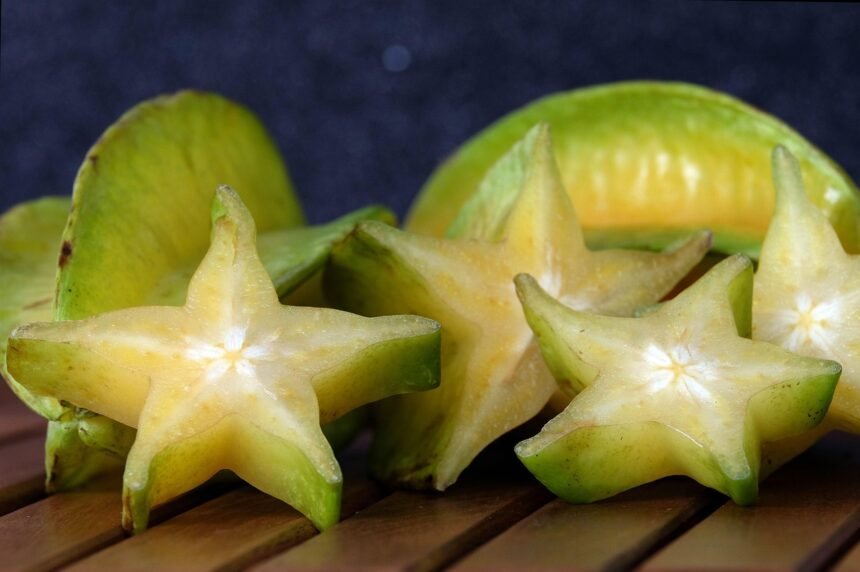
Star fruit, scientifically known as Averrhoa carambola, is a tropical fruit that has gained immense popularity for its unique shape and refreshing flavour. When sliced horizontally, it resembles a perfect five-point star, making it a favourite garnish for chefs and home cooks alike.
Beyond its visual appeal, this fruit offers a distinct taste profile—ranging from tart and sour to mildly sweet—and a crisp, juicy texture similar to a grape or pear. However, many people find themselves intimidated by its waxy skin and rigid shape, unsure of how to tackle it in the kitchen.
Preparing star fruit is surprisingly simple once you understand the technique. Whether you are looking to elevate a summer salad or add an exotic touch to a dessert, mastering the preparation of this fruit is a valuable culinary skill.
This article provides an exhaustive guide on how to select, clean, and cut star fruit, alongside its nutritional benefits and safety considerations.
What Is Star Fruit?
Native to Southeast Asia, the star fruit is now cultivated in tropical regions globally, including the Caribbean and South America. The fruit grows on the carambola tree and typically measures 5 to 15 centimetres in length.
There are generally two main varieties found in supermarkets:
- Small, sour types: These are often used as garnishes or in savoury cooking.
- Larger, sweeter types: These are ideal for eating fresh, mixing into fruit salads, or using in desserts.
The entire fruit is edible, including the waxy skin, though many prefer to trim the edges for texture and aesthetic purposes. The flesh is translucent yellow, encasing small, flat seeds that are usually removed before serving.
Nutritional Profile and Health Benefits
Star fruit is a nutrient-dense food, providing a wealth of vitamins and minerals with very few calories. It is an excellent addition to a weight-management diet due to its high fibre and water content.
Here is a nutritional breakdown for a medium-sized star fruit (approximately 91 grams):
| Nutrient | Amount | % Daily Value (DV) |
|---|---|---|
| Calories | 28 | – |
| Fibre | 3 grams | – |
| Protein | 1 gram | – |
| Vitamin C | 31 mg | 52% |
| Copper | 0.1 mg | 6% |
| Potassium | 121 mg | 3% |
| Magnesium | 9 mg | 2% |
Antioxidant Content
The fruit is rich in plant compounds, particularly quercetin, gallic acid, and epicatechin. These substances have powerful antioxidant properties.
According to research, antioxidants help combat oxidative stress in the body, potentially reducing the risk of chronic inflammation. The high Vitamin C content also supports a robust immune system and promotes collagen production for healthy skin.
For a deeper dive into the benefits, you can read more at Healthline.
Important Safety Information: Kidney Health
Before adding star fruit to your diet, it is critical to address a specific safety concern. Star fruit contains substances that can be harmful to people with kidney disease.
These substances include oxalates and a neurotoxin sometimes referred to as caramboxin. While individuals with healthy kidneys can process and excrete these compounds without issue, those with compromised renal function cannot.
Ingesting star fruit can lead to toxicity in kidney patients, causing symptoms such as confusion, seizures, and even death in severe cases. The National Kidney Foundation strongly advises anyone with kidney issues to avoid star fruit entirely.
Furthermore, star fruit can interact with certain medications in a manner similar to grapefruit. If you are taking prescription medication, consult a healthcare professional before making significant changes to your diet.
Selecting the Perfect Star Fruit
The key to successfully preparing star fruit begins at the supermarket. The flavour and texture depend heavily on the ripeness of the fruit.
Signs of Ripeness
- Colour: Look for fruit that is predominantly bright yellow. A little green on the ridges is acceptable, but a fully green fruit will be very sour and firm.
- Skin Condition: The skin should be firm and shiny. Avoid fruit with shrivelled skin or large soft spots, which indicate over-ripeness.
- Brown Edges: Do not be put off by thin brown lines along the ridges. These merely indicate sugar content and ripeness, meaning the fruit will be sweeter.
If you purchase a green star fruit, you can ripen it at room temperature for a few days until it turns yellow. Once ripe, it should be stored in the refrigerator to maintain crispness.
Step-by-Step: Preparing Star Fruit
Once you have selected a ripe fruit, the preparation process is straightforward. While the entire fruit is technically edible, removing the waxy ridges improves the mouthfeel.
Follow this step-by-step guide for the best results.
1. Rinse Thoroughly
Like all fresh produce, star fruit should be washed under cool, running water. Rub the skin gently with your fingers to remove any dirt or residue trapped in the crevices between the ridges.
The Centers for Disease Control and Prevention (CDC) recommends drying produce with a clean cloth or paper towel to further reduce bacteria.
2. Trim the Ends
Place the fruit on a cutting board. Using a sharp knife, cut off both the stem end and the pointed tip at the bottom. You should remove about 1 to 2 centimetres from each end to expose the flesh.
3. Remove the Waxy Ridges
This is the step that elevates your presentation and texture. Hold the fruit vertically, resting it on one of the flat ends you just cut.
Run your sharp knife shallowly down the edge of each of the five ridges (the “points” of the star). You only need to remove the very thin, waxy, brown/green outer edge. This removes the toughest part of the skin, which can sometimes be fibrous or bitter.
4. Slice Horizontally
Turn the fruit on its side. Slice the fruit crosswise into stars. The thickness depends on your preference:
- For Salads: Aim for 0.5 cm to 1 cm thickness.
- For Garnishes: Slice thinly, approximately 3 mm to 5 mm.
- For Snacking: Thicker slices of 1.5 cm provide a satisfying crunch.
5. Deseed the Slices
Star fruit seeds are edible but not particularly pleasant to eat. They are similar to apple seeds but slightly larger and flatter.
Use the tip of your knife or a small teaspoon to gently pop the seeds out of the centre of each star slice. If you are preparing a large quantity, this step is optional, but it is recommended for desserts where texture is paramount.

Culinary Uses: Salads and Desserts
Now that you have mastered preparing star fruit, you can incorporate it into various dishes. Its refreshing acidity cuts through rich flavours, making it versatile.
Fresh Fruit Salads
Star fruit pairs exceptionally well with other tropical fruits. Combine your star slices with:
- Mango cubes
- Papaya chunks
- Pineapple
- Kiwi fruit
The contrast between the yellow stars and the green kiwi or orange papaya creates a visually stunning dish. For a dressing, a simple squeeze of lime juice and a drizzle of honey works perfectly to enhance the natural sugars.
Savoury Salads
Do not limit this fruit to sweet dishes. In Southeast Asian cuisine, star fruit is often added to savoury salads. Try tossing it with:
- Cucumber
- Red onion
- Fresh coriander
- Prawns or grilled chicken
The tartness acts similarly to a vinaigrette. A study on sensory profiles suggests that the crisp texture of star fruit provides a necessary palate cleanser in rich, spicy meals.
Desserts and Baking
For desserts, star fruit can be used fresh or cooked.
- Pavlovas and Tarts: Use fresh slices to decorate the top of a cream-filled pavlova or fruit tart. The star shape makes decoration effortless.
- Poached Star Fruit: Simmer the slices in a syrup made of water, sugar, cloves, and a cinnamon stick. This softens the fruit and infuses it with spice, making it an excellent topping for vanilla ice cream or yoghurt.
- Upside-Down Cake: Just as you would use pineapple, arrange star fruit slices at the bottom of a cake tin with brown sugar and butter before pouring over your batter. When inverted, the cake will have a beautiful caramelised star pattern.
Practical Tips for Storage
If you have leftover sliced fruit, it is best to consume it quickly as it can oxidise and turn brown, similar to an apple.
To store leftovers:
- Place slices in an airtight container.
- Refrigerate for up to 2 days.
- Pro Tip: Squeeze a little lemon juice over the cut surfaces to prevent browning and maintain that vibrant yellow colour.
For long-term storage, you can freeze star fruit puree for smoothies, though freezing whole slices changes the texture significantly. The USDA FoodData Central notes that freezing may alter the vitamin C retention slightly, but it remains a healthy option.
Frequently Asked Questions
Can you eat the skin of star fruit?
Yes, the entire skin is edible. However, removing the brown ridges is recommended for a better texture.
What does star fruit taste like?
It has a complex flavour often described as a mix of apple, pear, grape, and citrus family fruits. Unripe fruit tastes more like a tart green apple, while ripe fruit is sweeter.
Is star fruit high in sugar?
Compared to other tropical fruits like bananas or mangoes, star fruit is relatively low in sugar and carbohydrates, making it suitable for low-carb diets.
The Bottom Line
Preparing star fruit is a quick and easy process that yields a high reward in terms of visual presentation and nutrition. By simply washing, trimming the waxy edges, and slicing horizontally, you unlock a versatile ingredient that enhances both salads and desserts.
Always remember the safety precautions regarding kidney health. If you have no renal issues, this low-calorie, vitamin C-rich fruit is a fantastic way to add variety to your daily fruit intake.
Whether you are garnishing a cocktail or baking an upside-down cake, the unique shape and refreshing taste of the star fruit are sure to impress.