There is a pervasive misconception in the wellness world that optimal health comes with a premium price tag. We are often led to believe that unless our carts are overflowing with organic superfoods, cold-pressed juices, and grass-fed cuts of meat, we are failing our nutritional goals. However, the reality of nutrition economics tells a different story. Wellness is not about affluence; it is about strategy.
With inflation impacting grocery bills globally, mastering the art of budget-friendly healthy meal prep ideas is no longer just a lifestyle hack—it is a financial necessity for many. By shifting from impulsive consumption to intentional preparation, you can slash your food budget while simultaneously elevating your nutritional intake. This comprehensive guide will walk you through the logistics, ingredients, and strategies required to fuel your body without emptying your wallet.
The Economic Case for Meal Prepping
Before diving into recipes, it is crucial to understand why meal prepping works financially. The savings stem from three specific areas: bulk purchasing, waste reduction, and the elimination of convenience premiums.
According to the Bureau of Labor Statistics, the average household spends a significant portion of their income on food away from home. When you rely on takeout or pre-packaged cafeteria salads, you are paying for labor, overhead, and packaging. Furthermore, food waste is a massive budget drain. The Environmental Protection Agency (EPA) notes that a significant amount of food purchased in the U.S. goes uneaten. Meal prepping solves this by assigning a purpose to every ingredient purchased.
Strategic Grocery Shopping: The Foundation of Budget Wellness
To execute budget-friendly healthy meal prep ideas effectively, the work begins before you enter the kitchen. It starts in the aisles of the grocery store.
1. Embrace Plant-Based Proteins
Animal protein is typically the most expensive item on a grocery receipt. You do not need to become a strict vegan, but incorporating plant-based proteins can drastically reduce costs. Legumes, lentils, and beans are nutritional powerhouses high in fiber and protein.
- Dried vs. Canned: While canned beans are convenient, dried beans are significantly cheaper. A bag of dried lentils can cost under $2 and provide the protein base for an entire week of lunches.
- Resource: The American Heart Association highlights the cardiovascular benefits of diversifying protein sources with plant-based options.
2. The Frozen vs. Fresh Myth
There is a lingering belief that fresh produce is superior to frozen. However, frozen fruits and vegetables are often picked at peak ripeness and flash-frozen, locking in nutrients. Conversely, “fresh” produce may travel for weeks before hitting the shelf, losing nutritional value along the way.
- Budget Tip: Buy frozen berries for oatmeal and frozen broccoli for stir-fries. They are cheaper, pre-chopped, and reduce spoilage waste.
- Validation: The Food and Drug Administration (FDA) confirms that frozen produce is just as nutritious as fresh, and often more affordable.
3. Shop Seasonally and Locally
Produce that is in season is abundant and, therefore, cheaper. Asparagus is a bargain in spring but a luxury in winter. Understanding seasonal cycles allows you to plan menus around what is most affordable.
- Resource: The USDA SNAP-Ed Connection offers a guide to seasonal produce to help plan cost-effective meals.
Essential Budget-Friendly Healthy Meal Prep Ideas
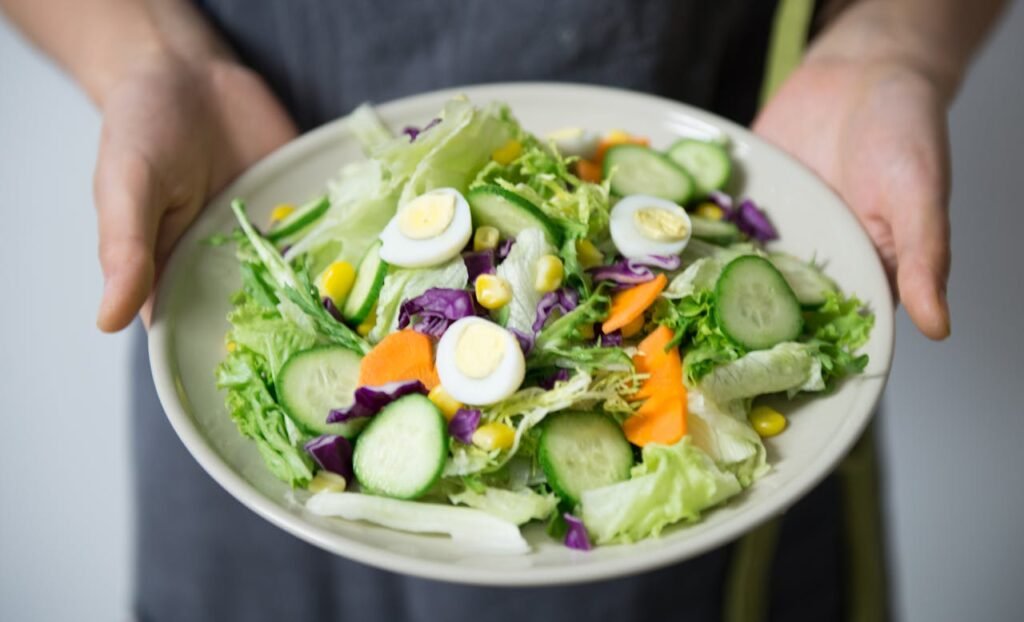
Here are three distinct approaches to meal prep that maximize flavor and minimize cost.
The “Grain Bowl” Formula (Average Cost: $2.50/serving)
Grain bowls are the epitome of flexible, affordable nutrition. They follow a simple ratio: Base + Protein + Veggie + Fat/Sauce.
- The Base: Brown rice, quinoa, or barley. Buying these in bulk bins drives the cost down to pennies per serving.
- The Protein: Roasted chickpeas, hard-boiled eggs, or shredded chicken thighs (cheaper than breasts).
- The Veggies: Roasted sweet potatoes, kale, or frozen mixed vegetables.
- The Sauce: A homemade tahini dressing or a simple olive oil and lemon vinaigrette.
Harvard T.H. Chan School of Public Health champions this balanced plate method as a way to ensure macronutrient coverage.
Sheet Pan Roasts (Average Cost: $3.00/serving)
Sheet pan meals reduce cleanup and allow you to bulk-cook cheaper, tougher cuts of vegetables until they are caramelized and delicious.
- Idea: Toss root vegetables (carrots, potatoes, onions) and sausages or tofu in olive oil and spices. Roast at 400°F (200°C) for 30–40 minutes.
- Why it works: You can cook 4-5 servings at once using a single heat source, saving on energy bills as well.
Overnight Oats (Average Cost: $0.75/serving)
Breakfast is often the easiest meal to prep on a budget. Rolled oats are incredibly inexpensive.
- Method: Mix 1/2 cup oats with 1/2 cup milk (dairy or soy) and a tablespoon of chia seeds. Let it sit overnight.
- Add-ins: Frozen berries, a dollop of peanut butter, or a sprinkle of cinnamon.
- Health Benefit: Oats are rich in beta-glucan fiber, which is linked to improved cholesterol levels, according to the National Institutes of Health (NIH).
Cost Comparison: Meal Prep vs. Dining Out
To visualize the impact of these budget-friendly healthy meal prep ideas, let’s look at the numbers. The following table compares the cost of a standard healthy lunch bought at a casual dining chain versus a home-prepped equivalent.
| Cost Factor | Fast-Casual “Healthy” Bowl | Home-Prepped Grain Bowl | Savings per Meal |
|---|---|---|---|
| Protein (4oz Chicken) | $4.50 (est. portion cost) | $1.20 | $3.30 |
| Base (Quinoa/Rice) | $2.00 | $0.25 | $1.75 |
| Vegetables | $3.00 | $0.75 | $2.25 |
| Dressing/Toppings | $1.50 | $0.30 | $1.20 |
| Labor/Overhead | $4.00 | $0.00 | $4.00 |
| Total Cost Per Meal | $15.00 | $2.50 | $12.50 |
| Weekly Cost (5 Days) | $75.00 | $12.50 | $62.50 |
| Annual Savings | — | — | ~$3,250.00 |
Note: Prices are estimates based on average US city grocery prices and fast-casual menu standards.
Safe Storage and Equipment on a Budget
You do not need aesthetic, matching glass containers to start. However, food safety is paramount when storing prepped meals for several days.
- Cooling: Allow food to cool to room temperature before refrigerating to prevent moisture buildup (which causes sogginess) and internal temperature fluctuations in your fridge.
- Containers: While glass is durable, BPA-free plastic is a perfectly acceptable budget starter option. If you reuse takeout containers, ensure they are microwave-safe.
- Timeline: Most cooked leftovers are safe in the refrigerator for 3 to 4 days. If you prep for a full 7 days, freeze the meals intended for Thursday through Sunday.
- Resource: For detailed guidelines on storage times, refer to FoodSafety.gov.
Navigating the “Organic” Debate
A major barrier to budget wellness is the pressure to buy organic. If your budget is tight, prioritize eating any vegetables over fearing conventional ones. The health benefits of eating conventional spinach far outweigh the risks of not eating spinach at all.
However, if you wish to be selective, consult the Environmental Working Group (EWG), which publishes the “Dirty Dozen” and “Clean Fifteen.” This list helps you decide where to spend extra pennies on organic (strawberries, spinach) and where you can save with conventional (avocados, onions).
Staying Consistent: The Mental Game
Meal prepping is a habit, and like any habit, it requires reinforcement. Start small. Do not attempt to prep 21 meals your first week. Start by prepping just your lunches. This “small wins” approach prevents burnout and reduces the likelihood of food waste from over-preparation.
Furthermore, use spices liberally. Spices are a one-time investment that lasts months. Turmeric, cumin, paprika, and garlic powder can transform the same basic ingredients (rice and beans) into Mexican, Indian, or Mediterranean flavor profiles. The Mayo Clinic suggests that using herbs and spices is a key strategy for reducing sodium intake while maintaining palatability.
Conclusion
Achieving wellness does not require a six-figure salary; it requires planning and a willingness to cook. By utilizing these budget-friendly healthy meal prep ideas, you are taking control of your health and your finances simultaneously. You are opting out of the processed food economy and opting into a lifestyle of nourishment.
Remember, the most expensive meal is the one that gets thrown away. Start this week. Buy a bag of lentils, a bag of brown rice, and some frozen vegetables. Your body—and your bank account—will thank you.
Ready to start? Pick one recipe from this guide, add the ingredients to your list, and dedicate one hour this Sunday to your health.