When shopping for cauliflower at the local greengrocer or supermarket, it is a common sight to see shoppers snapping off the thick, green outer leaves and leaving them in the crate. For decades, we have been conditioned to view the creamy white florets as the prize and the surrounding greenery as rubbish.
However, by discarding these leaves, you are throwing away a source of vital nutrients and distinct culinary flavour. Cauliflower leaves are not only entirely edible but are often considered by chefs to be the most flavourful part of the vegetable.
Embracing root-to-stem cooking is a powerful way to reduce household food waste while adding variety to your diet. These leaves, which belong to the brassica family, behave much like kale or chard when cooked but possess a richer, nutty sweetness.
This article explores the nutritional benefits of cauliflower leaves, why they are often overlooked, and provides exhaustive methods for preparing them to minimise waste and maximise health.
The Nutritional Value of Cauliflower Leaves
Before diving into preparation, it is essential to understand why you should be eating these leaves. From a nutritional standpoint, the dark green leaves are often denser in certain vitamins than the white florets they protect.
Because the leaves are exposed to direct sunlight, they synthesise higher levels of chlorophyll and antioxidants compared to the sheltered curds. They are a nutritional powerhouse, contributing to your daily intake of essential minerals.
Key Nutrients Profile
Cauliflower leaves are rich in:
- Fibre: Essential for digestive health and maintaining steady blood sugar levels.
- Vitamin C: A potent antioxidant that supports immune function and skin health.
- Vitamin K: Crucial for blood clotting and bone metabolism.
- Calcium: Vital for bone density and muscle function.
- Iron: Necessary for the transport of oxygen in the blood.
- Antioxidants: Including beta-carotene and various phytonutrients that help combat oxidative stress.
Below is a comparative look at how brassica leaves generally stack up:
| Nutrient | Cauliflower Leaves | White Florets | Kale |
|---|---|---|---|
| Fibre Content | High | Moderate | High |
| Vitamin C | Very High | High | High |
| Calcium | Moderate | Low | High |
| Iron | Moderate | Low | Moderate |
| Texture | Robust/Chewy | Tender/Crumbly | Tough/Fibrous |
Incorporating these leaves into your diet is an easy way to contribute towards your 5 A Day targets, as recommended by the NHS.
Factors Contributing to Food Waste
Why do we throw them away? The rejection of cauliflower leaves is largely cultural and logistical rather than practical.
Supermarket Standards and Aesthetics
For years, supermarkets in the UK and globally have trimmed vegetables to look uniform. A bright white head of cauliflower looks “cleaner” on a shelf than one wrapped in potentially ragged leaves. This expectation of perfection leads to massive amounts of edible food being discarded before it even reaches the consumer.
According to WRAP (Waste and Resources Action Programme), household food waste is a significant contributor to greenhouse gas emissions. By utilising the entire vegetable, consumers can actively lower their carbon footprint.
Misconception of Edibility
Many home cooks simply do not know that the leaves are edible. Because they are thick and have a heavy central rib, they can appear unappealing or tough. However, this structure is exactly what allows them to hold up beautifully to high-heat cooking methods like roasting.
Treatment and Management: How to Prepare Cauliflower Leaves
Treating cauliflower leaves requires a slightly different approach than the florets. The leaves consist of two distinct parts: the leafy green blade and the thick, crunchy central rib (stem).
1. Selection and Cleaning
If you buy a whole cauliflower, look for leaves that are vibrant green and free from slime or excessive wilting. Small holes from insects are generally fine and common in organic produce, but avoid yellowing leaves as they may taste bitter.
Cleaning is critical. Dirt and grit love to hide in the ridges of the stem and the folds of the leaves.
- Separate: Pull the leaves away from the main head of the cauliflower.
- Soak: Submerge them in a bowl of cold water for 5–10 minutes to loosen any grit.
- Rinse: Rinse thoroughly under running water.
- Dry: Pat dry with a clean tea towel or use a salad spinner. Excessive moisture prevents them from roasting properly.
2. The Butchery: Separating Ribs from Greens
While you can cook small, tender inner leaves whole, the large outer leaves benefit from being de-stemmed.
- Cut out the rib: Use a sharp knife to slice along the side of the thick white centre vein.
- Don’t bin the rib: Chop the ribs into 1cm chunks. These cook at a similar rate to celery or chopped cauliflower stalks and are delicious in stir-fries.
- Chop the greens: Roughly tear or shred the leafy parts into bite-sized pieces.
3. Cooking Methods
The versatility of cauliflower leaves means they can be adapted to almost any meal. Here are the three most effective methods.
Method A: Roasting (The Crispy Method)
Roasting is arguably the best way to introduce these leaves to your palate. The high heat caramelises the sugars in the ribs and turns the edges of the leaves crispy, similar to kale chips.
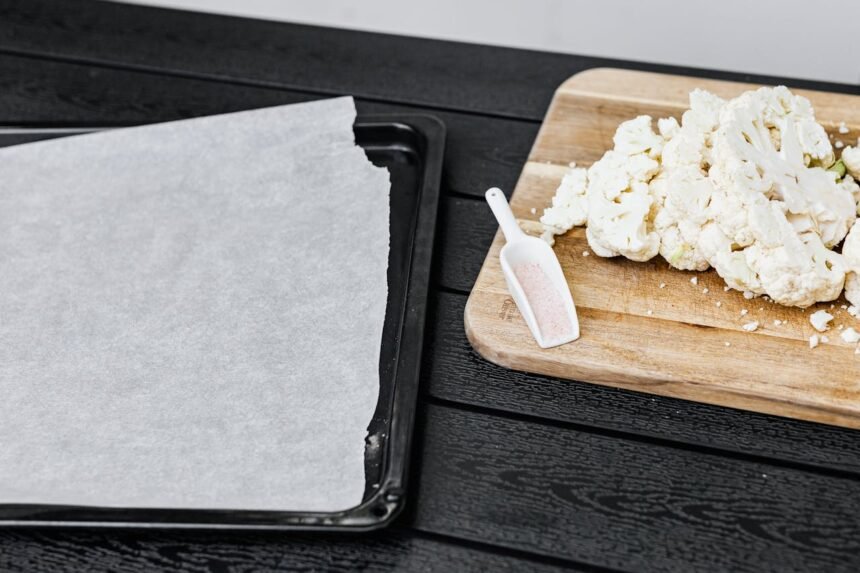
- Preheat your oven to 200°C (180°C fan).
- Toss the washed and dried leaves (and chopped ribs) in a tablespoon of olive oil.
- Season generously with sea salt, black pepper, and perhaps a pinch of smoked paprika or cumin.
- Spread in a single layer on a baking tray.
- Roast for 10–15 minutes. Keep an eye on them; the leafy parts brown quickly.
Method B: Sautéing (The Side Dish)
This method retains more moisture and results in a tender, silky texture comparable to spinach or collard greens.
- Heat a splash of oil or a knob of butter in a frying pan over medium heat.
- Add sliced garlic and fry for 30 seconds until fragrant.
- Add the chopped ribs first, cooking for 3–4 minutes until slightly softened.
- Add the leafy greens and a splash of water or vegetable stock.
- Cover and steam for 2–3 minutes, then remove the lid and fry off any excess liquid.
- Finish with a squeeze of lemon juice to cut through the earthiness.
Method C: Soups and Stews
Because they are robust, cauliflower leaves do not disintegrate easily. They are perfect for adding bulk to minestrone, curries, or blended soups. simply chop them finely and add them 10 minutes before the end of the cooking time.
For more inspiration on vegetable-based dishes, you can explore recipes from BBC Good Food.

Practical Tips for Success
To ensure you get the most out of this vegetable, consider these practical tips for storage and usage.
Storage Solutions
If you are not using the leaves immediately, treat them like a bouquet of flowers or fresh herbs.
- Keep them attached: The leaves stay fresh longest if left on the cauliflower head until you are ready to cook.
- Fridge Life: If separated, wrap them loosely in a damp paper towel and place them in the crisper drawer. They should last 3–4 days.
- Freezing: You can blanch the leaves (boil for 2 minutes, then plunge into ice water), dry them, and freeze them for up to 3 months. This is excellent for smoothies or soups.
Flavour Pairings
Cauliflower leaves have a strong, brassica flavour profile. They pair exceptionally well with:
- Fats: Butter, olive oil, tahini, and bacon lardons.
- Acids: Lemon juice, apple cider vinegar, or balsamic glaze.
- Spices: Cumin, coriander, turmeric, chilli flakes, and mustard seeds.
- Umami: Soy sauce, nutritional yeast, or parmesan cheese.
Dietary Considerations
While highly nutritious, people taking blood-thinning medication (such as Warfarin) should be mindful of their intake of Vitamin K-rich foods like cauliflower leaves, as noted by the British Heart Foundation. Consistent intake is key, rather than sudden increases.
Additionally, like other brassicas, these leaves contain high amounts of insoluble fibre. If you suffer from IBS, they may cause bloating. Cooking them thoroughly breaks down some of the tough fibres, making them easier to digest than when raw. For more on digestive health, you can consult resources from the British Dietetic Association.
Environmental Impact
Reducing food waste is not just about saving money; it is an ethical imperative. In the UK alone, millions of tonnes of edible food end up in landfill every year, releasing methane, a potent greenhouse gas.
By eating cauliflower leaves, you are participating in a circular food economy. You are respecting the resources—water, soil, labour, and transport—that went into growing the vegetable. Organisations like Love Food Hate Waste provide excellent resources for families looking to reduce their kitchen bin output.
Furthermore, choosing organic produce where possible can reduce exposure to synthetic pesticides, which are often concentrated on the outer leaves of vegetables. The Soil Association offers guidance on the benefits of organic farming for both personal health and biodiversity.
The Bottom Line
Cauliflower leaves are a hidden gem in the culinary world, offering a texture and flavour profile that rivals expensive superfoods like kale.
They are packed with fibre, Vitamin C, and calcium, making them a smart addition to a healthy diet. Whether you roast them into crispy chips, sauté them with garlic, or stir them into a hearty stew, using the leaves is a delicious way to reduce food waste and stretch your grocery budget further.
Next time you are at the shops, resist the urge to snap the leaves off. Take them home, give them a good wash, and discover a new favourite side dish that supports both your health and the planet.
For more information on the health benefits of cauliflower and other cruciferous vegetables, you can read more at Healthline.
Other scientific perspectives on the antioxidant properties of brassica vegetables can be found in research published by the National Institutes of Health (NIH).
Finally, for a broader look at sustainable eating habits, The Guardian’s environment section frequently covers the impact of our dietary choices on the climate.