In the ancient world, the apple was often depicted as a symbol of immortality, knowledge, and temptation. Today, modern science has revisited the apple, not for mythology, but for biology. Specifically, the cosmetic industry has turned its gaze toward a rare Swiss apple variety known as the Uttwiler Spätlauber. From this fruit comes an ingredient that has revolutionized the approach to skin longevity: Malus domestica fruit cell culture extract.
For skincare enthusiasts and science-minded consumers alike, understanding the mechanism behind this botanical powerhouse is essential. This article delves deep into the biotechnology of plant stem cells, analyzing the specific malus domestica fruit cell culture extract benefits that have made it a staple in high-end anti-aging formulations.
The Origin: The Uttwiler Spätlauber Apple
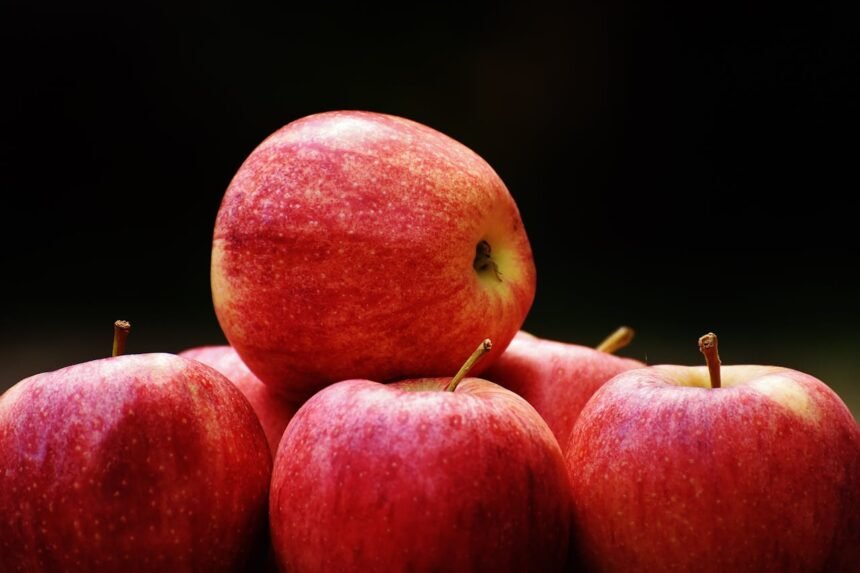
To understand the extract, one must first understand the source. The Uttwiler Spätlauber is an apple variety cultivated in Switzerland during the 18th century. Unlike the sweet apples found in grocery stores today, this variety is incredibly sour and was primarily used for cooking or vinegar. However, it possessed a remarkable trait: longevity. These apples could stay fresh for months after being harvested without shriveling, suggesting they contained special longevity factors in their cells.
According to Britannica’s botanical records, the resilience of fruit skin is often determined by its cellular composition. Scientists hypothesized that the stem cells responsible for the apple’s self-preservation could potentially offer similar protective benefits to human skin.
Understanding Plant Stem Cell Technology
Extracting stem cells from a rare tree without destroying the species requires advanced biotechnology. This is achieved through a method known as plant cell culture technology.
- Wounding the Plant: A small cut is made in the plant tissue.
- Callus Formation: The plant produces a wound-healing tissue called a callus, which consists of dedifferentiated cells (stem cells).
- Cultivation: These cells are harvested and cultured in a bioreactor to produce large quantities of the extract.
This sustainable method ensures that the rare trees are preserved while providing a potent, standardized ingredient for cosmetic use. As noted by the National Center for Biotechnology Information (NCBI), plant stem cell extracts are rich in epigenetic factors and metabolites that can influence the viability of human skin cells.
Malus Domestica Fruit Cell Culture Extract Benefits
The application of this extract is not about introducing apple cells into human skin to become skin cells. Rather, it is about bio-mimicry and signaling. The metabolites within the extract interact with human skin stem cells to boost their vitality. Here are the primary malus domestica fruit cell culture extract benefits:
1. Protection of Human Skin Stem Cells
Our skin renews itself thanks to adult stem cells located in the basal layer of the epidermis. However, as we age, the number and efficiency of these cells decline. Research published in the Journal of Applied Sciences suggests that Malus domestica extract helps maintain the colony-forming efficiency of epidermal stem cells, essentially pausing the biological clock of the skin.
2. Delaying Senescence (Cell Aging)
Senescence refers to the process where cells stop dividing and functioning efficiently. The epigenetic factors found in the Swiss apple extract have been shown to delay this process. By combating chronological aging, the skin retains its thickness and ability to regenerate, leading to a more youthful appearance.
3. Reduction of Crow’s Feet and Wrinkles
Clinical studies have demonstrated tangible aesthetic results. In trials where volunteers applied creams containing a 2% concentration of the extract, significant reductions in wrinkle depth—particularly around the eyes (crow’s feet)—were observed after 28 days. This is a key reason why dermatologists review these ingredients favorably for non-invasive anti-aging treatments.
4. Defense Against UV Stress
Environmental stressors, particularly UV radiation, are the leading cause of premature aging (photoaging). The high concentration of antioxidants and phenols in the Uttwiler Spätlauber helps neutralize free radicals. According to the Skin Cancer Foundation, antioxidants are a critical second line of defense alongside sunscreen.
Comparative Analysis: Apple Stem Cells vs. Traditional Actives
To understand where Malus domestica fits in a skincare routine, it is helpful to compare it with other gold-standard anti-aging ingredients.
| Feature | Malus Domestica (Apple Stem Cells) | Retinol (Vitamin A) | Vitamin C (Ascorbic Acid) |
|---|---|---|---|
| Primary Mechanism | Protects/Activates Stem Cells | Increases Cell Turnover | Antioxidant Protection |
| Focus Area | Longevity & Prevention | Correction & Resurfacing | Brightening & Protection |
| Irritation Potential | Low (Suitable for sensitive skin) | High (Can cause redness/peeling) | Moderate (pH dependent) |
| Time to Visible Results | 4–8 Weeks | 6–12 Weeks | Immediate (Glow) to 4 Weeks |
| Stability | High (via Liposomal encapsulation) | Low (Oxidizes easily) | Low (Oxidizes easily) |
| Usage Time | AM and PM | PM only recommended | AM recommended |
Safety and Regulation
Is it safe? This is a common question for any biotechnology-derived ingredient. The Cosmetic Ingredient Review (CIR) panel evaluates the safety of skincare ingredients. Generally, fruit cell culture extracts are considered safe for cosmetic use. Because the cells are plant-derived and free from human pathogens, the risk of adverse reaction is significantly lower than animal-derived biologicals.
Furthermore, the U.S. Food and Drug Administration (FDA) monitors labeling claims. While products cannot claim to “alter the structure of the human body” like a drug, the cosmetic benefits of skin conditioning and protection are well-recognized within the industry.
How to Incorporate Malus Domestica Into Your Routine
To maximize the malus domestica fruit cell culture extract benefits, consumers should look for specific formulations:
- Serums: Because serums contain smaller molecules and higher concentrations of active ingredients, they are the best vehicle for delivering stem cell extracts to the basal layer of the epidermis.
- Liposomal Delivery: Look for products that mention “liposomes.” This technology encapsulates the extract, ensuring it penetrates the skin barrier rather than sitting on the surface. You can learn more about delivery systems from ScienceDirect.
- Synergy: Combine this extract with Hyaluronic Acid for hydration or Peptides for structural support. It pairs well with almost all ingredients, unlike Retinol which conflicts with certain acids.
A Note on “Stem Cell” Marketing
It is vital for consumers to read labels carefully. As highlighted by the Mayo Clinic, the term “stem cell” is often used loosely. In skincare, you are applying the extract of the stem cell, which contains the beneficial metabolites. Live stem cells (plant or human) would not survive in a jar of cream.
The Future of Phyto-Actives
The success of the Uttwiler Spätlauber has opened the floodgates for other plant stem cell research, including alpine rose, grape, and argan. However, the apple remains the pioneer.
Industry news from Cosmetics Design indicates a growing trend toward “biomimetic” skincare—products that mimic biological processes to stimulate natural repair. Malus domestica sits at the forefront of this movement.
Conclusion
The quest for the fountain of youth has shifted from myth to microscope. While no ingredient can permanently stop the aging process, Malus domestica fruit cell culture extract represents a significant leap forward in slowing it down. By harnessing the resilience of the Uttwiler Spätlauber apple, we can offer our skin the tools it needs to protect its own regenerative powers.
For those seeking a non-irritating, scientifically backed ingredient to preserve skin vitality, products featuring this Swiss apple extract are a worthy investment. Check your ingredient labels today—the secret to fresher, younger-looking skin might just be an apple away.