Receiving a diagnosis of diabetes or pre-diabetes often triggers an immediate overhaul of your daily diet. Suddenly, foods you have enjoyed for years come under scrutiny, and navigating the supermarket aisles becomes a task of analysing nutrition labels.
One of the most common sources of confusion surrounds fruit. While we are told that fruit is healthy, we also know it contains natural sugars. Bananas, in particular, often get a bad reputation in the diabetes community due to their higher carbohydrate content compared to berries or citrus fruits.
However, completely eliminating this popular yellow fruit might be unnecessary and could mean missing out on vital nutrients. Understanding how bananas affect blood sugar levels is the key to including them in your diet safely.
This article explores whether bananas are safe for people with diabetes, how ripeness affects blood sugar, and actionable tips for including them in your meal plan.
Overview: Bananas and Nutritional Value
Bananas are a powerhouse of nutrition. They are widely available, affordable, and packed with essential vitamins and minerals. For someone managing diabetes, the primary concern is usually the carbohydrate content.
A typical medium-sized banana contains approximately:
Calories: 105
Total Carbohydrates: 27 grams
Dietary Fibre: 3 grams
Sugar: 14 grams
Protein: 1 gram
While 27 grams of carbohydrates might seem substantial, it is crucial to look beyond just the carb count. Bananas are rich in potassium, vitamin B6, and vitamin C. They also contain antioxidants that support overall cellular health.
According to Diabetes UK, there is no need to cut fruit out of your diet, but portion control is essential. The fibre found in bananas plays a critical role in how your body processes the sugar, preventing the rapid spikes in blood glucose that occur with refined sugars like sweets or sugary drinks.
The Link Between Bananas and Blood Sugar
To understand if bananas are safe, we must look at how they impact blood glucose management. This involves analysing the Glycaemic Index (GI) and the concept of Glycaemic Load (GL).
Understanding the Glycaemic Index (GI)
The Glycaemic Index measures how quickly a carbohydrate-containing food raises blood sugar levels. Foods are ranked on a scale of 0 to 100. Foods with a high GI are absorbed quickly, causing rapid spikes, while low-GI foods are absorbed slowly.
Bananas generally have a low to medium GI score, typically ranging from 42 to 62, depending on their ripeness. This means they generally cause a slower rise in blood sugar compared to high-GI foods like white bread or processed snack foods.
The Importance of Fibre
Fibre is a crucial component for anyone living with diabetes. It is a type of carbohydrate that the body cannot digest. Because it is not broken down, it does not raise blood sugar levels. Furthermore, it slows down the digestion and absorption of other carbohydrates.
Comprehensive guides on Healthline emphasise that a high-fibre diet can improve blood sugar control and reduce the risk of developing type 2 diabetes. The 3 grams of fibre in a medium banana help buffer the sugar content, ensuring a more gradual release of energy.
Potassium and Heart Health
People with diabetes are at a higher risk of cardiovascular issues. Bananas are well-known for their potassium content. Potassium helps regulate blood pressure and supports heart function.
Information from the British Heart Foundation suggests that getting enough potassium is vital for offsetting the negative effects of sodium in the diet. By choosing whole foods like bananas over processed snacks, you support both your blood sugar and your heart.
Ripeness: Green vs. Yellow vs. Brown
Not all bananas are created equal when it comes to diabetes management. The ripeness of the fruit dramatically changes its chemical composition and how your body digests it.
Green (Unripe) Bananas
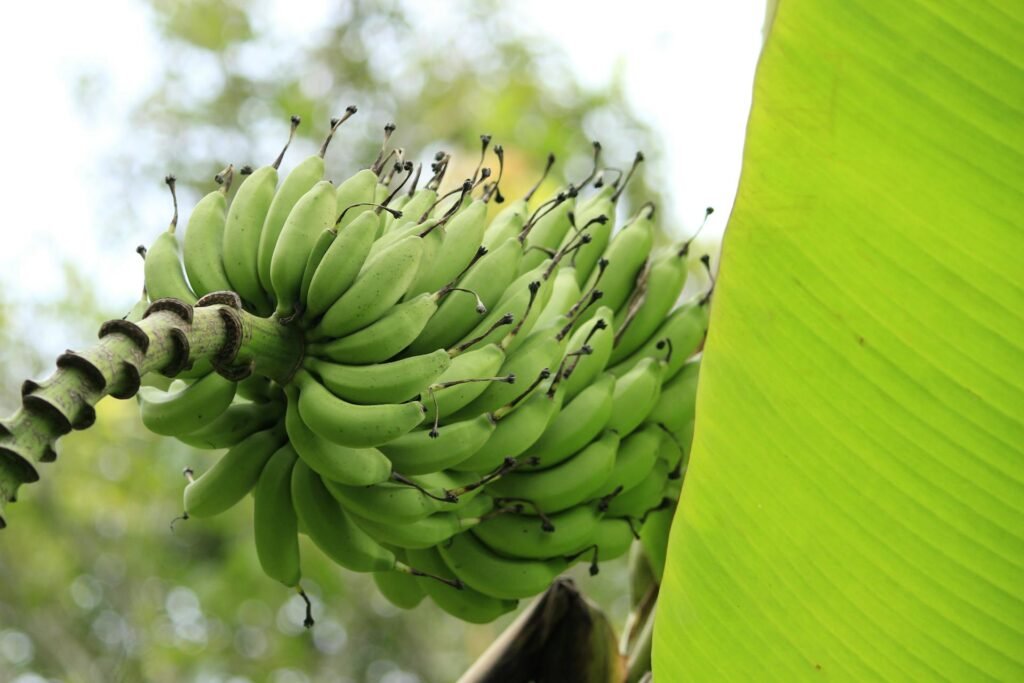
Green bananas are firm and less sweet. This is because their carbohydrate content consists largely of resistant starch. Resistant starch functions similarly to soluble fibre; it escapes digestion in the small intestine and ferments in the large intestine.
Because of this, green bananas have a lower Glycaemic Index (around 42). They cause a much gentler rise in blood sugar. A study published in PubMed highlights that resistant starch can improve insulin sensitivity, making green bananas an excellent choice for glucose management.
Yellow (Ripe) Bananas
As a banana ripens, the enzymes within the fruit convert the starch into simple sugars (fructose and glucose). This is why yellow bananas are sweeter and softer. As the starch decreases, the sugar content increases, and the GI score rises to around 51-55.
While higher in sugar than green ones, yellow bananas still retain fibre and nutrients. They are safe to eat but require stricter portion awareness than green ones.
Brown (Overripe) Bananas
When a banana develops brown spots or turns largely brown, the starch conversion is nearly complete. These bananas have the highest sugar content and the highest GI (around 62). While excellent for baking, people with diabetes should approach overripe bananas with caution, as they are absorbed into the bloodstream most rapidly.
Nutritional Comparison: Green vs. Ripe
The table below outlines the estimated differences between a medium green banana and a medium overripe banana to help you make informed choices.
| Feature | Green Banana (Unripe) | Yellow/Spotted Banana (Ripe) |
|---|---|---|
| Taste | Less sweet, slightly bitter | Very sweet |
| Texture | Firm, waxy | Soft, mushy |
| Primary Carb | Resistant Starch | Simple Sugars (Fructose/Glucose) |
| Glycaemic Index | Low (~42) | Medium (~62) |
| Digestion Speed | Slow | Moderate to Fast |
| Best Use | Salads, cooking, savoury dishes | Smoothies, baking, immediate energy |
Tips for Management: Eating Bananas Safely
You do not need to banish bananas from your fruit bowl. Instead, use these strategic tips to enjoy them without destabilising your blood sugar levels.
1. Watch Your Portion Size
Size matters significantly. A large banana can contain nearly double the carbohydrates of a small one. The NHS Eatwell Guide recommends eating at least five portions of fruit and veg a day, but sticking to appropriate portion sizes is key for diabetes.
- Action: Choose a small banana (approx. 6 inches) rather than a large one. If you only have large bananas, eat half and save the rest for later.
2. Pair with Protein and Fat
Never eat a carbohydrate alone. Pairing fruit with a source of healthy fat or protein slows down gastric emptying. This reduces the speed at which sugar enters your bloodstream.
- Action: Slice a banana over Greek yoghurt, eat it with a handful of walnuts, or spread peanut butter on it. This creates a balanced snack.
3. Choose Firm Bananas
As discussed, the ripeness affects the GI. Train your palate to enjoy bananas that are slightly green or just turned yellow, rather than those with brown spots.
- Action: Buy bananas while they are still green and eat them before they fully soften. Use overripe bananas for friends or family members who do not have diabetes.
4. Monitor Your Response
Every individual responds differently to carbohydrates. Some people may spike significantly after a banana, while others may not.
- Action: According to Diabetes.co.uk, testing your blood glucose levels two hours after eating a specific food is the best way to understand your personal tolerance.
5. Consider the Glycaemic Load
While GI measures the speed of absorption, Glycaemic Load (GL) accounts for the serving size. A food can have a high GI but a low GL if the serving size is small.
- Action: Harvard Health notes that bananas have a moderate GL. Keeping portions small ensures the GL remains manageable.
Frequently Asked Questions
Can I eat banana chips?
It is best to avoid banana chips. They are often fried in oil and coated with added sugar or honey. A small handful can contain significantly more carbohydrates and calories than a fresh banana. Medical News Today warns that dried fruits effectively concentrate the sugars, making them riskier for blood sugar control.
Are plantains safer than bananas?
Plantains are a starchy cousin of the banana and are usually cooked before eating. They function more like a potato in the diet. While they are nutritious, they are high in carbohydrates. They should be accounted for in your daily carb limit, similar to how you would treat pasta or rice.
Is it better to eat bananas in the morning or evening?
There is no scientific consensus that the time of day alters how your body processes the sugar in bananas significantly. However, eating carbohydrates earlier in the day when you are more active may help your body utilise the glucose for energy. BBC Good Food suggests spreading your carbohydrate intake evenly throughout the day rather than loading it all into one meal.
The Bottom Line
Living with diabetes requires mindful eating, but it does not require the complete elimination of your favourite fruits. Bananas are a nutritious, high-fibre food that can fit into a balanced diabetes diet plan.
The key lies in moderation and context. A small, firm, slightly green banana eaten with a handful of almonds is a vastly different metabolic event than a large, overripe banana eaten on an empty stomach.
By following these guidelines and consulting with your healthcare team, you can enjoy the sweet taste and nutritional benefits of bananas without compromising your health goals. For more detailed dietary guidelines, always refer to government resources such as GOV.UK regarding carbohydrate intake.