If you navigate the aisles of your local supermarket or health food shop, you might assume a peanut is simply a peanut. However, the world of groundnuts is surprisingly diverse, with four main types dominating the market: Runner, Virginia, Spanish, and Valencia.
Among these, Valencia peanuts stand out as a unique, sweeter cultivar that is gaining popularity among health enthusiasts and culinary experts alike. Known for their distinct flavour and nutritional density, they offer a compelling alternative to the more common varieties found in standard snack mixes.
Whether you are looking to manage your weight, improve heart health, or simply find a tastier ingredient for your kitchen, understanding the profile of this legume is essential. This guide explores the sweetness, nutritional benefits, and culinary versatility of Valencia peanuts.
Overview: What Are Valencia Peanuts?
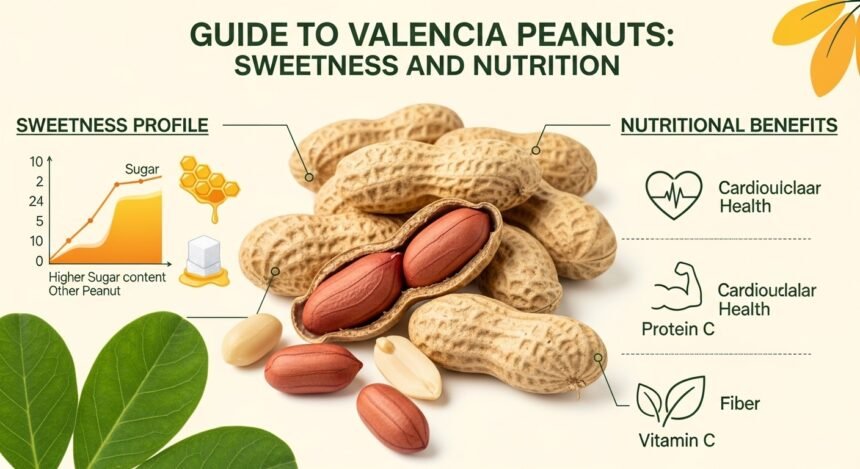
Valencia peanuts are a distinct variety of Arachis hypogaea, predominantly grown in the United States, specifically in New Mexico and West Texas. Unlike their counterparts, Valencias are smaller and sweeter, making them a preferred choice for boiling and all-natural peanut butter.
Visually, they are easy to identify. While Virginia or Runner peanuts typically contain two kernels per shell, Valencia pods are longer and usually contain three or more kernels. They are encased in a distinct red skin that is thin and papery, similar to Spanish Peanuts: Small Size, Big Flavour and High Oil Content, though Valencias are generally longer in shape.
Because of their natural sweetness, they require less roasting time and often need less added salt or sugar to be palatable. This makes them a sweet peanut variety that appeals to those trying to reduce additives in their diet.
Historically, New Mexico peanut farming has been the backbone of Valencia production. The region’s dry, warm climate is ideal for this crop, contributing not only to the flavour but also to the safety of the nut.
Characteristics and Nutritional Profile
Understanding the nutritional breakdown of Valencia peanuts reveals why they are considered a powerhouse food. They are calorie-dense but packed with nutrients that support metabolic health.
Macronutrients
Valencias are rich in healthy fats, specifically monounsaturated fatty acids (MUFAs). According to the American Heart Association, replacing saturated fats with MUFAs can help lower bad cholesterol levels and reduce the risk of heart disease and stroke.
They also boast a robust amino acid profile, providing a significant amount of plant-based protein. For vegetarians and vegans, incorporating peanuts can be a vital strategy for meeting daily protein requirements.
Micronutrients and Antioxidants
One of the standout features of the Valencia variety is its vitamin E content. Vitamin E acts as a potent antioxidant, protecting cells from oxidative stress. Furthermore, the red skins of Valencia peanuts are rich in resveratrol, the same compound found in red wine associated with heart health.
If you are interested in the specific benefits of skin-on legumes, you might want to read about Red Skin Peanuts: Antioxidant Benefits and Culinary Uses.
Safety and Cultivation
A major concern with peanuts is aflatoxin, a mould by-product. However, because Valencias are largely grown in the dry climates of the Southwest US, they naturally exhibit higher aflatoxin resistance compared to peanuts grown in humid regions. This makes them a safer choice for many consumers.
Health Benefits
The nutritional density of Valencia peanuts translates into tangible health benefits. Here is how adding them to your diet can help.
Blood Sugar Management
Despite their sweet taste, Valencia peanuts have a low glycaemic index (GI). This means they do not cause rapid spikes in blood sugar. They are an excellent low glycemic index snack for individuals with type 2 diabetes or insulin sensitivity.
Organisations like Diabetes UK often recommend nuts and legumes as part of a balanced diet to help maintain steady glucose levels.
Weight Management
The combination of protein, fibre, and healthy fats promotes satiety. Eating a handful of Valencias can curb hunger cravings, potentially preventing overeating later in the day. High-satiety foods are crucial for sustainable weight management.
Heart Health
The high levels of oleic acid in Valencias support cardiovascular function. Regular consumption of nuts has been linked to a reduced risk of coronary heart disease. The Mayo Clinic highlights that the unsaturated fats in nuts improve artery health and reduce inflammation.
Culinary Uses and Preparation
Valencia peanuts are incredibly versatile in the kitchen. Their unique texture and flavour make them suitable for various preparations.
Boiling
Valencias are the premier choice for boiled peanuts. Because the shells are somewhat thinner and the kernels are sweet, they absorb the brine beautifully. You can find many boiled peanut recipes that utilise green or raw Valencias. If you are looking to source the raw ingredients, check out our guide on Where to Buy Green Peanuts Bulk for Traditional Recipes.
Peanut Butter
Due to their inherent sweetness, Valencias are perfect for natural peanut butter making. You generally do not need to add sugar or molasses. Simply roasting and grinding them releases their oils, creating a creamy, rich spread. For those interested in extracting oils, you might find A Beginner Guide to Peanut Oil Pressing at Home useful.
Roasting
While you can buy them pre-roasted, mastering home roasting techniques ensures freshness and allows you to control the sodium level. Valencias roast faster than Virginia peanuts, so keep a close eye on the oven. They can be enjoyed similarly to Dry Roasted Peanuts: A Heart-Healthy Snack Choice.
Baking and Flour
The sweet profile of Valencias also makes them excellent for gluten-free baking. When ground into a fine meal, they add moisture and flavour to cakes and biscuits. Learn more about this in our article on Roasted Peanut Flour: Gluten-Free Baking and Nutritional Gains.
Sustainability and Farming
For the environmentally conscious consumer, Valencias represent a sustainable crop. Legumes fix nitrogen in the soil, reducing the need for synthetic fertilisers. This legume sustainability aspect is crucial for regenerative agriculture.
If you have an allotment or a garden, you might even consider growing them yourself. While they require a long growing season, organic peanut cultivation is possible in varied climates if managed correctly. For tips on getting started, read Growing Your Own: Best Practices for Organic Peanut Seeds.
When harvesting time comes, having the right equipment is key. Smallholders should review Essential Peanut Harvesting Tools for Small-Scale Growers to ensure they do not damage the delicate pods.
Comparison to Other Varieties
It is helpful to understand where Valencias sit on the spectrum of groundnuts.
- Runners: The standard for commercial peanut butter; consistent size but less flavour complexity.
- Virginias: The largest kernels, typically sold in the shell at ballparks.
- Spanish: Smaller, oilier, and often used in sweets.
- Jungle: An ancestral variety. You can compare the modern Valencia to its ancient cousins in our article on Jungle Peanuts: Exploring the Wild Ancestor of Modern Legumes.
Interestingly, new trends are emerging, such as sprouting peanuts to increase nutrient bioavailability. Valencias respond well to this process. Read more about Peanut Sprouts: The New Superfood You Should Try.
Tips for Buying and Storage
To get the most out of this versatile culinary nut, follow these tips:
- Check the Shells: If buying in-shell, ensure the pods are clean and unbroken. Shake them; a rattling sound suggests the kernels have dried out too much.
- Smell Them: They should smell earthy and sweet, never musty or rancid.
- Storage: Due to their oil content, peanuts can go rancid. Store shelled Valencias in an airtight container in the fridge for up to six months or the freezer for a year.
- Buy Organic: Whenever possible, choose organic to support soil health and avoid pesticides. For verified nutrition data, you can consult the USDA FoodData Central.
The Bottom Line
Valencia peanuts are more than just a sweet snack; they are a nutritional powerhouse packed with protein, healthy fats, and antioxidants. Their unique structure—featuring three or more kernels—and their cultivation in dry climates contribute to their distinct taste and safety profile.
Whether you are using them for natural peanut butter, boiling them for a savoury treat, or roasting them at home, Valencias offer a superior flavour profile compared to standard varieties. By incorporating them into your diet, you benefit from a food that supports heart health, manages blood sugar, and provides sustainable nutrition.
For more detailed information on legume allergies and safety, always refer to reputable sources such as the FDA or the NHS.
If you are keen to dive deeper into the science of roasting and food chemistry, the Institute of Food Technologists and studies on PubMed offer extensive resources. Additionally, for general facts and recipes, the National Peanut Board is an excellent resource, alongside nutritional insights from Harvard Health.