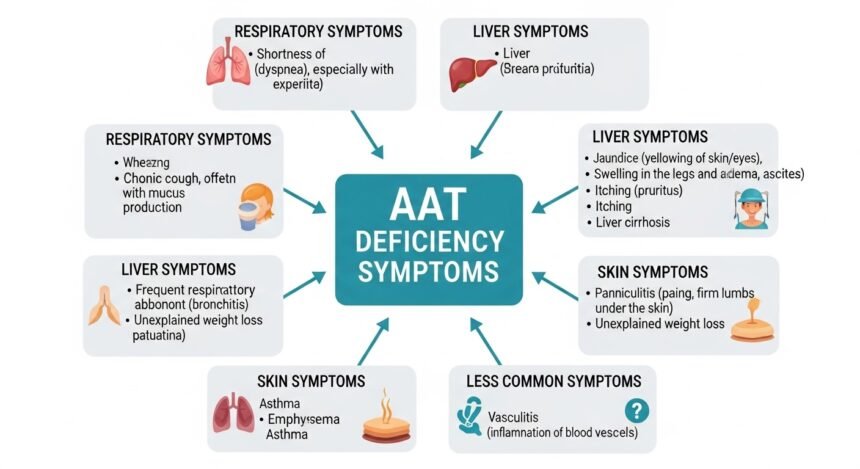
Alpha-1 antitrypsin deficiency (AATD) is a frequently misunderstood inherited condition that can significantly impact the lungs and liver. Often misdiagnosed as simple asthma or smoking-related issues, recognising the specific AAT symptoms early is vital for long-term health management. This genetic disorder occurs when the liver does not produce enough of a specific protein that protects the lungs from damage.
If you or a loved one are experiencing persistent respiratory issues or unexplained liver concerns, understanding the nuances of this condition is the first step toward an accurate AATD diagnosis. Below, we explore the signs, the science, and what you can do to take control of your health.
What is Alpha-1 Antitrypsin Deficiency?
Alpha-1 antitrypsin is a protein produced in the liver. Its primary job is to travel through the bloodstream and protect the lungs from inflammation caused by infection and inhaled irritants, such as smoke. When a person has this protein deficiency, the protein is either shaped incorrectly—causing it to get stuck in the liver—or it is not produced in sufficient quantities.
According to the NHS, this can lead to two main complications: lung damage due to lack of protection and liver damage due to protein build-up. While many people carry the gene without ever showing signs, those with the PiZZ genotype are most likely to experience severe symptoms.
Primary AAT Symptoms: Respiratory Signs
For many adults, the first noticeable AAT symptoms are related to lung health. Because these signs often mimic other conditions, people may be incorrectly treated for years before the underlying genetic cause is identified. Common respiratory symptoms include:
- Shortness of breath: Also known as dyspnoea, this often occurs during mild physical activity.
- Wheezing: A high-pitched whistling sound when breathing out.
- Chronic cough: A persistent cough that may produce phlegm.
- Exercise intolerance: Finding it increasingly difficult to keep up with physical tasks that were previously easy.
- Recurring chest infections: Frequent bouts of bronchitis or pneumonia.
Over time, these issues can develop into COPD (Chronic Obstructive Pulmonary Disease) or emphysema. Early detection through a simple blood test can help slow the progression of these conditions. For more information on respiratory health, visit the Asthma + Lung UK website.
Liver-Related AAT Symptoms
While the lungs are a primary concern, the liver is equally at risk. When the AAT protein cannot leave the liver, it causes scarring and inflammation, leading to liver disease. These symptoms can appear in infancy or much later in adulthood.
Key hepatic indicators include:
- Jaundice: Yellowing of the skin and the whites of the eyes.
- Swelling: Fluid retention in the legs (oedema) or abdomen (ascites).
- Unexplained fatigue: A persistent feeling of tiredness that doesn’t improve with rest.
- Neonatal jaundice: In newborns, prolonged yellowing of the skin can be an early indicator of the condition.
Authorities like the American Liver Foundation emphasize that while not everyone with AATD develops liver issues, regular monitoring is essential.
Comparing Lung and Liver Symptoms
To help you distinguish where the condition might be manifesting, refer to the table below:
| Feature | Lung Involvement | Liver Involvement |
|---|---|---|
| Primary Age of Onset | 20 to 50 years old | Infancy or over 50 years old |
| Common Misdiagnosis | Asthma or smoker’s cough | Hepatitis or fatty liver disease |
| Key Symptom | Shortness of breath (dyspnoea) | Jaundice and abdominal swelling |
| Aggravating Factors | Smoking and air pollution | Alcohol consumption |
Rare Symptoms: Panniculitis
In rare cases, AATD can affect the skin. This manifestation is known as panniculitis. It presents as painful, red nodules or lumps under the skin, usually on the thighs or buttocks. These lumps may break down and release an oily discharge. If you notice unusual skin changes alongside respiratory issues, it is important to mention this to your doctor. Research on this rare manifestation can be found at Mayo Clinic.

Getting a Diagnosis
The Alpha-1 Foundation notes that the average time from the first symptom to a correct diagnosis is roughly seven years. This delay can be avoided with proactive testing. If you exhibit AAT symptoms, your GP will likely order a blood test to check your protein levels and identify your specific phenotype.
Your doctor may also recommend pulmonary function tests to measure how well your lungs are moving air. These tests are standard in diagnosing emphysema and other obstructive diseases. For those in the UK, the NICE guidelines provide clear pathways for clinicians to follow when AATD is suspected.
Management and Lifestyle Changes
While there is currently no cure for this inherited condition, various treatments and lifestyle changes can significantly improve quality of life and slow disease progression.
- Smoking Cessation: This is the most critical step. Smoking accelerates lung damage exponentially in those with AATD.
- Enzyme Replacement: Also known as augmentation therapy, this involves weekly infusions of the alpha-1 protein to protect the lungs.
- Nutrition: Maintaining a healthy weight and limiting alcohol intake to protect the liver.
- Vaccinations: Staying up to date with flu and pneumonia vaccines to prevent infections.
Detailed clinical overviews are available via The BMJ and Nature Reviews Disease Primers for those seeking in-depth medical analysis.
Frequently Asked Questions (FAQs)
Can AAT symptoms appear if I have never smoked?
Yes. While smoking significantly worsens the condition, many people with severe AATD will develop AAT symptoms regardless of their smoking history. However, non-smokers typically experience a much slower decline in lung health compared to smokers. You can find more genetic context at Genome.gov.
Is Alpha-1 antitrypsin deficiency contagious?
No, it is not contagious. It is a genetic disorder passed down from parents to children through specific gene mutations. Both parents must usually carry a deficient gene for a child to have the most severe form of the condition. Further details are provided by the World Health Organization.
What is the life expectancy for someone with AATD?
With early AATD diagnosis and proper management, many individuals live long, full lives. Life expectancy depends on the severity of the symptoms, how early treatment begins, and lifestyle choices. Specialists at the Cleveland Clinic emphasize that modern treatments like enzyme replacement have greatly improved outcomes.
Are there specific tests for liver involvement?
Yes. Doctors often use ultrasound scans, blood tests for liver enzymes, and sometimes a fibro-scan to check for scarring (cirrhosis). Detailed patient guides are available on Patient.info.
How common is the condition?
It is considered a rare disease, but experts believe it is severely underdiagnosed. Many people living with COPD may actually have AATD without knowing it. Resources from Johns Hopkins Medicine and Medscape suggest that universal screening for COPD patients could help identify more cases.
In summary, being aware of AAT symptoms—from persistent breathlessness to liver-related jaundice—is the best way to advocate for your health. If you suspect your symptoms might be more than just a common cold or “getting older,” speak to a healthcare professional about genetic testing today.