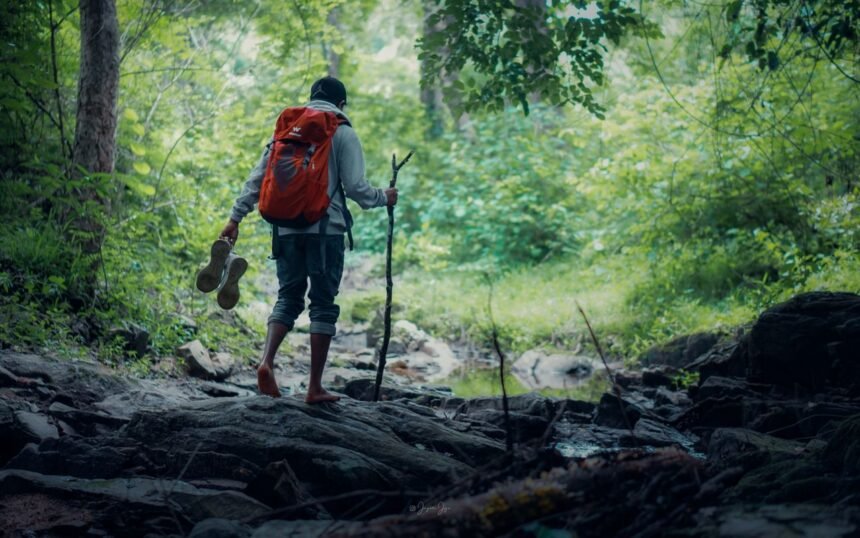
For decades, the standard advice for hikers was simple: the heavier the pack, the stiffer the boot. We were told that thick soles and rigid ankle support were the only things standing between us and a nasty sprain. But a growing movement of outdoor enthusiasts and podiatrists is challenging this narrative, suggesting that barefoot hiking boots might actually be the key to stronger, healthier feet.
Transitioning to minimalist footwear isn’t just a trend; it is a return to how our bodies were designed to move. By allowing the foot to function naturally, these boots offer a unique way to connect with the terrain while building functional strength from the ground up.
What Exactly Are Barefoot Hiking Boots?
The term “barefoot” can be slightly misleading. You aren’t literally hiking with skin on granite. Instead, barefoot hiking boots are designed to mimic the experience of being barefoot while providing a protective barrier against the elements. Unlike traditional hiking boots, which often feature a heavy heel lift and a narrow, tapered front, minimalist alternatives focus on three primary pillars:
- A Zero-drop sole: This means the heel and the forefoot are at the same height, promoting a more natural gait and better spinal alignment.
- A wide toe box: This allows for natural toe splay, which is essential for balance and preventing common issues like bunions.
- Flexibility: The boot should bend and twist easily, allowing your foot to engage its internal muscles rather than relying on a rigid structure.
The Physical Benefits of Going Minimalist
When you ditch the “foot coffins” (as some minimalist fans call traditional boots), you invite a host of physiological benefits. Research published in Nature suggests that wearing minimalist shoes can increase the muscle cross-sectional area of the foot, effectively boosting metatarsal strength.
One of the most profound changes hikers notice is an improvement in proprioception. This is your body’s ability to sense its position in space. A thinner sole provides better tactile feedback, allowing your brain to receive sensory input from the ground. According to ScienceDaily, this heightened awareness can actually improve balance and help prevent falls.
Comparing Traditional vs. Barefoot Hiking Boots
To understand the shift in biomechanics, it helps to see the structural differences side-by-side:
| Feature | Traditional Hiking Boots | Barefoot Hiking Boots |
|---|---|---|
| Heel Height | Elevated (10mm–20mm drop) | Zero-drop (Flat) |
| Toe Box Width | Narrow/Tapered | Anatomically Wide |
| Sole Thickness | Thick, cushioned, and stiff | Thin and flexible |
| Weight | Heavy (can cause fatigue) | Ultra-lightweight |
| Ankle Stability | Provided by external bracing | Developed through muscle strength |
Can Barefoot Boots Help With Injuries?
It sounds counterintuitive, but many hikers switch to barefoot hiking boots to find relief from chronic pain. Traditional shoes with excessive arch support can sometimes lead to muscle atrophy because the foot becomes “lazy.” By engaging the foot’s natural arch, you may reduce the risk of plantar fasciitis.
Furthermore, because these boots encourage a mid-foot or forefoot strike rather than a heavy heel strike, they can alter your lower limb mechanics. This shift often reduces the impact on the knees and hips, making it a popular choice for those managing osteoarthritis or joint discomfort. However, it is vital to consult a specialist if you have existing structural issues; you can find more information on foot health via the NHS exercise guidelines.
Developing Ankle Stability Naturally
One of the biggest myths in the hiking world is that high-cut boots prevent ankle sprains. In reality, relying on a stiff boot for stability can weaken the stabilising muscles around the joint. When you wear barefoot hiking boots, your ankles have to work to keep you upright. Over time, this builds genuine ankle stability that protects you even when you aren’t wearing shoes. For those recovering from previous injuries, understanding ankle rehabilitation is a great way to supplement your transition.
How to Transition Safely
You wouldn’t run a marathon without training, and you shouldn’t tackle a 20-mile mountain trek in barefoot hiking boots on day one. Your tendons, particularly the Achilles, need time to lengthen and strengthen. Follow this simple programme to ensure a safe transition:
- Start Indoors: Wear your minimalist boots around the house to get used to the ground feel.
- Short Walks: Begin with 15-minute walks on soft surfaces like grass or sand.
- Strengthen Your Feet: Incorporate exercises like “toe yoga” or towel curls to improve metatarsal function.
- Listen to Your Body: If you feel sharp pain in your arches or calves, take a break. Your muscles are adapting to a new way of working.
For more in-depth advice on footwear transitions, Runner’s World offers excellent insights into the pros and cons of making the switch.
Choosing the Right Materials
The durability of your boots is paramount when travelling through rugged terrain. Most high-quality barefoot hiking boots utilise advanced materials to balance protection with weight:
- Leather: Offers natural water resistance and durability but requires more care.
- Vegan Synthetics: Often more breathable and faster-drying, perfect for wet British weather.
- Outsoles: Look for brands using specialised rubber (like Vibram) that provide grip without sacrificing flexibility.
Understanding the biomechanics of footwear can help you decide which material and sole thickness suit your specific hiking style. Research into toe splay and foot function highlights how the internal space of the boot is just as important as the external material.
The Verdict: Are They for You?
Switching to barefoot hiking boots is a personal journey. For many, the ability to feel the texture of the trail and move with agility outweighs the initial adjustment period. By focusing on natural gait and reducing the reliance on artificial arch support, you may find that your hikes become more engaging and less painful. As noted in studies on gait and posture, how we interact with the ground changes our entire physical presence.
Before making a purchase, consider your current foot health. If you suffer from conditions like hallux rigidus or severe structural deformities, speak with a podiatrist. For everyone else, the road to stronger feet might just be a “minimalist” step away. Reviewing the latest evidence in the British Medical Journal can provide further confidence in your decision to prioritise functional movement.
Frequently Asked Questions (FAQs)
Are barefoot hiking boots waterproof?
Many models are designed with waterproof membranes or treated leathers to handle damp conditions. However, because they are thinner, they may not offer the same thermal insulation as traditional boots in extreme sub-zero temperatures.
Do I need to wear socks with barefoot boots?
While some people prefer the “pure” barefoot feel, many hikers wear moisture-wicking or toe socks. Toe socks are particularly helpful as they allow each toe to move independently, supporting the natural toe splay encouraged by the boot.
Will my feet get tired faster in minimalist boots?
Initially, yes. Because your foot muscles are doing more work, you may experience “good” muscle soreness. Over time, as your foot strength improves, many hikers find they can actually go further with less fatigue because their boots are significantly lighter. Always check the latest foot strength research to understand how your body adapts to these changes.