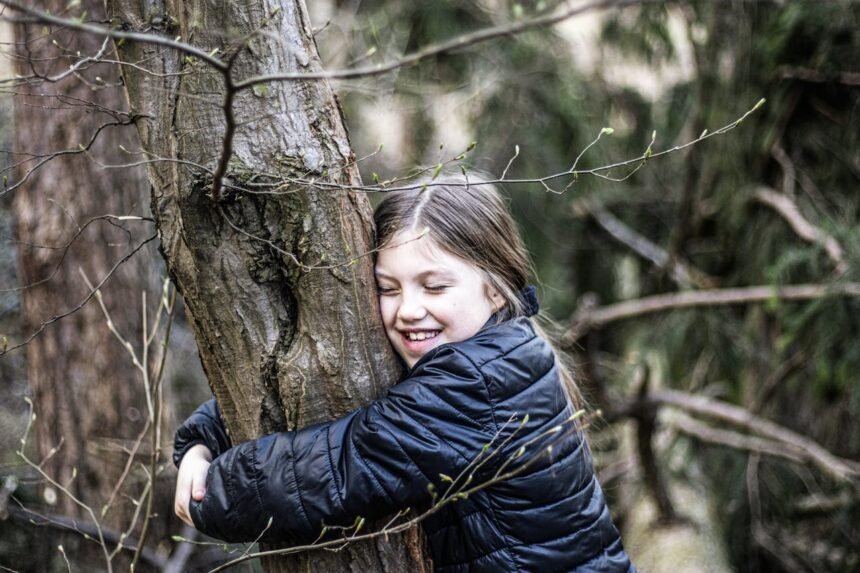
For decades, “tree hugger” was a term used to dismiss environmental activists. However, modern science is finally catching up with ancient wisdom. Research now suggests that physically connecting with nature provides tangible physiological and psychological advantages. From lowering your stress reduction needs to boosting your immune system boost, the tree hugging benefits are rooted in more than just sentiment.
In this guide, we explore the science-backed reasons why you should consider embracing your local flora, the concept of Shinrin-yoku, and how nature therapy can transform your wellbeing.
The Science of Connection: Why Trees Heal
When you wrap your arms around a tree, you aren’t just making a gesture; you are engaging in a form of grounding. This practice, often referred to as eco-therapy, works on several biological levels. Plants emit organic compounds called phytoncides—essential oils that protect them from insects and rotting. When humans inhale these, or absorb them through skin contact, our bodies react positively.
According to research published in Nature, spending just 120 minutes a week in green spaces is associated with good health and wellbeing. By hugging a tree, you increase your exposure to these beneficial compounds, which has been shown to lower cortisol levels, the hormone responsible for our “fight or flight” response.
1. Immediate Stress Reduction
In our fast-paced, digital world, our nervous systems are often in a state of high alert. Engaging with trees promotes mindfulness and helps shift the body from the sympathetic nervous system (stress) to the parasympathetic nervous system (rest and digest). This shift is a core component of forest bathing, a Japanese practice designed to improve mental health.
2. Regulating Blood Pressure
Studies conducted by the NHS and other global health bodies suggest that spending time in urban green spaces can significantly lower blood pressure. The calming effect of the forest environment reduces heart rate variability, allowing the cardiovascular system to function more efficiently.
The Biophilia Hypothesis
The term biophilia refers to the innate human instinct to connect with nature and other living beings. Developed by Edward O. Wilson, this theory suggests that because we evolved in natural environments, our bodies are “hard-wired” to thrive when surrounded by greenery. Hugging a tree is perhaps the most direct way to satisfy this biological craving for connection.
Through the lens of aromatherapy, the natural scents of the wood and bark provide a grounding sensory experience that anchors us in the present moment. This is particularly effective for those suffering from chronic anxiety or burnout.
Comparing Environments: Why the Forest Wins
While any park is better than a concrete jungle, the density and age of the trees matter. Here is a comparison of how different settings impact your health:
| Feature | Urban Environment | Forest/Woodland Environment |
|---|---|---|
| Phytoncide Concentration | Low | High |
| Noise Pollution | High (Constant) | Low (Natural sounds) |
| Cortisol Reduction | Minimal | Significant |
| Air Quality | Variable/Poor | Excellent (Oxygen-rich) |
The Physical Impact: From Cells to Skin
The tree hugging benefits extend deep into our cellular structure. According to the Mayo Clinic, chronic stress can suppress the immune response. By reducing that stress through contact with nature, we allow our Natural Killer (NK) cells—which fight off infections and tumours—to proliferate.
Key physical benefits include:
- Improved sleep quality due to regulated circadian rhythms.
- Faster recovery from surgery or illness, a phenomenon noted in ScienceDirect studies.
- Reduced inflammation throughout the body.
- Increased energy levels without the need for caffeine.
How to Practise Tree Hugging for Maximum Benefit
If you are new to this practice, you might feel a bit self-conscious. Follow these steps to make the most of your nature therapy session:
- Find the right tree: Look for a tree that “calls” to you. It doesn’t matter the species, but older, larger trees often provide a greater sense of stability.
- Approach with respect: Take a moment to appreciate the tree’s age and its role in the ecosystem.
- The Hug: Wrap your arms around the trunk. You can rest your cheek against the bark or simply hold on.
- Breathe deeply: Close your eyes and take slow, deep breaths. Visualise the oxygen the tree is providing you.
- Linger: Stay for at least five minutes to allow your cortisol levels to drop.
Organisations like the National Trust and the Royal Horticultural Society often provide guided walks that incorporate these mindfulness techniques.
Mental Health and Emotional Stability
The Mind.org.uk charity highlights that eco-therapy can be as effective as some pharmacological interventions for mild to moderate depression. The tactile sensation of the bark and the visual “fractals” found in leaf patterns help to quiet the “monkey mind” (racing thoughts).
By focusing on the strength and stillness of the tree, many people find they can better process grief or trauma. This emotional grounding is a vital tool in the modern mental health toolkit, often recommended by experts at the Mental Health Foundation.
Protecting Our Healers
We cannot talk about the tree hugging benefits without mentioning conservation. Agencies like the EPA and the World Health Organization emphasize that protecting biodiversity is essential for human health. When we hug trees, we recognise our interdependence with the planet.
Frequently Asked Questions (FAQs)
Does species matter for tree hugging benefits?
While all trees provide phytoncides and oxygen, many practitioners prefer pines and cedars because they produce higher levels of therapeutic scents. However, the most important factor is your personal comfort and the sense of peace you feel near the tree.
Is there a “right” time of day to hug a tree?
Early morning is often cited as the best time because the air is crisp, and the forest is quiet. However, the British Heart Foundation suggests that any time you can fit into your schedule will provide cardiovascular and stress-relief benefits.
Is tree hugging scientifically proven?
Yes, numerous studies tracked by PubMed and Harvard Health show that interaction with nature (including physical contact) significantly reduces physiological markers of stress and improves immune function.
Can I get the same benefits from houseplants?
Houseplants are wonderful for urban green spaces and improving indoor air quality, but they lack the scale and complex ecosystem of a forest. For the full effect of biophilia and grounding, being outdoors in a natural woodland is recommended by the BBC Science team and other experts.
In conclusion, the tree hugging benefits are far-reaching. Whether you are looking to lower your blood pressure, boost your mood, or simply find a moment of quiet in a busy world, the forest is waiting to embrace you back. So, next time you go for a walk, don’t just pass by—reach out and connect.