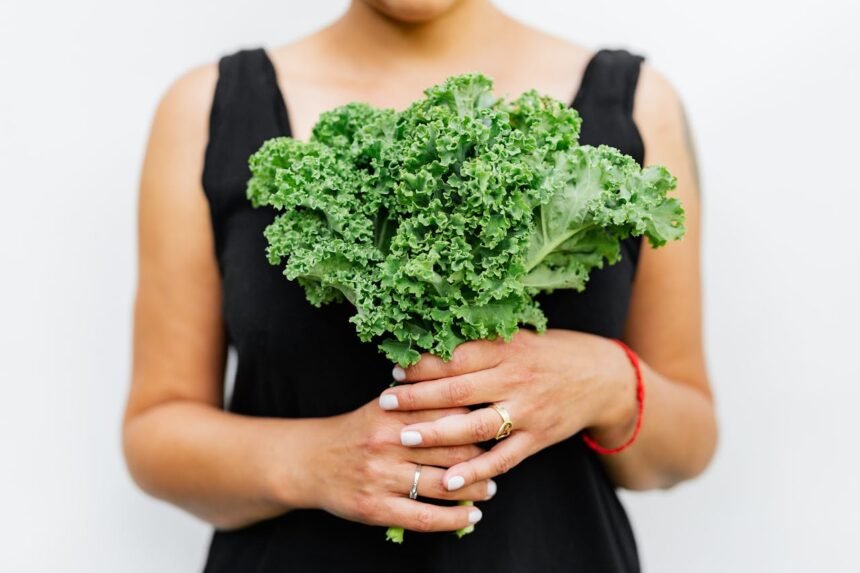
In the world of nutrition, few vegetables have experienced a meteoric rise quite like kale. Once primarily used as a garnish in salad bars, this cruciferous vegetable is now hailed as a nutritional titan. While its benefits for heart health and digestion are well-documented, its profound impact on dermatology is often overlooked. The link between kale and collagen production is rooted in its dense nutritional profile, specifically its high concentration of Vitamin C, copper, and powerful antioxidants.
For those seeking a natural approach to anti-aging and skin resilience, understanding the biochemical interaction between the nutrients in kale and your skin cells is essential. This article explores the science behind kale as a skin superfood, detailing how it fosters collagen synthesis, protects against environmental stressors, and contributes to a glowing complexion. If you are looking to revamp your diet for better dermatological health, incorporating superfood staples like kale is a foundational step.
The Nutritional Profile of Kale: A Skin-Specific Breakdown
To understand why kale is beneficial for the skin, we must first analyze its micronutrient composition. Kale is not merely fibrous roughage; it is a complex matrix of vitamins and minerals that are critical for cellular repair. One cup of raw kale provides well over 100% of the daily value for Vitamin C and Vitamin K, along with significant amounts of Vitamin A (in the form of beta-carotene).
According to the National Institutes of Health (NIH), Vitamin C is a potent antioxidant that can neutralize free radicals. However, its role goes beyond mere protection. It is the physiological trigger for collagen synthesis. Without adequate Vitamin C, the body cannot hydroxylate proline and lysine, amino acids required to form the stable triple-helix structure of collagen.
The Crucial Role of Vitamin C in Collagen Synthesis
Collagen is the most abundant protein in the human body, providing structure to the skin, bones, and connective tissues. As we age, collagen production naturally declines, leading to wrinkles and sagging skin. This is where kale becomes a vital dietary component. The high Vitamin C content in kale serves as an essential cofactor for the enzymes lysyl hydroxylase and prolyl hydroxylase.
When you consume kale, you are providing your body with the raw materials necessary to maintain skin elasticity. Unlike synthetic supplements, the Vitamin C found in kale is accompanied by bioflavonoids, which may enhance absorption. For those interested in boosting collagen naturally, creating a diet rich in these cofactors is often more effective than topical applications alone. You can read more about natural collagen boosters in our detailed guide on dietary interventions for aging skin.
Furthermore, a study published by the National Center for Biotechnology Information (NCBI) highlights that dietary Vitamin C intake is associated with a lower likelihood of a wrinkled appearance and senile dryness. This evidence suggests that the consumption of Vitamin C-rich foods like kale directly correlates with improved skin texture.
Vitamin A and Cellular Turnover
Kale is loaded with beta-carotene, an antioxidant that the body converts into Vitamin A (retinol) as needed. Vitamin A is the gold standard in dermatology for promoting cell turnover. Healthy cell turnover is the process by which our skin sheds dead cells and replaces them with younger, healthier cells. This process is essential for keeping the skin looking fresh and preventing clogged pores, which can lead to acne.
Deficiencies in Vitamin A can lead to dry, flaky skin and follicular hyperkeratosis. By integrating kale into your meals, you support the body’s natural ability to regenerate skin tissues. This is particularly important for repairing damage caused by UV exposure. If you struggle with dullness, focusing on skin renewal through diet can complement your external skincare routine effectively.
According to the American Academy of Dermatology, diet plays a pivotal role in preventing premature aging. Foods rich in Vitamin A help orchestrate the cellular communication that keeps the dermis and epidermis functioning correctly.
Antioxidants: The Defense Against Oxidative Stress
Our skin is constantly under siege from environmental aggressors such as ultraviolet (UV) radiation, pollution, and blue light. These stressors generate free radicals—unstable molecules that damage cellular structures, including DNA and collagen fibers. This process is known as oxidative stress, and it is a primary driver of extrinsic aging.
Kale is rich in powerful antioxidants, including quercetin and kaempferol. These flavonoids have potent anti-inflammatory and antiviral effects. They act as scavengers, neutralizing free radicals before they can cause significant damage to the skin matrix. This internal defense system is crucial for fighting premature aging effectively.
Lutein and Zeaxanthin: Internal Sun Protection
Beyond the standard vitamins, kale contains significant amounts of lutein and zeaxanthin. These are carotenoids that accumulate in the skin and eyes. Research suggests that these compounds can absorb harmful light energy, acting as a form of internal sunscreen. While eating kale does not replace the need for topical SPF, it increases the skin’s threshold for sunburn and protects against light-induced oxidative damage.
A review in the Nutrition Reviews journal indicates that lutein and zeaxanthin protect against photo-aging and may improve skin hydration and elasticity. This makes kale an excellent addition to a sun protection diet, especially during the summer months.

Vitamin K and Dark Circles
Another often-overlooked nutrient in kale is Vitamin K. While primarily known for its role in blood clotting, Vitamin K is also essential for vascular health. Many eye creams utilize Vitamin K to help reduce the appearance of dark circles and spider veins. The theory is that Vitamin K strengthens the walls of blood vessels and capillaries, preventing leakage that results in dark, bruised-looking under-eyes.
Consuming Vitamin K through kale supports the body’s healing processes and may assist in reducing inflammation associated with skin conditions like rosacea or eczema. Ensuring you have adequate intake of vital nutrients like Vitamin K helps maintain an even skin tone and reduces redness.
Detoxification and Skin Clarity
The term “detox” is often misused, but the liver’s ability to filter toxins is a very real physiological process that impacts skin health. When the liver is overburdened, toxins may be eliminated through other pathways, including the skin, potentially leading to breakouts and dullness. Kale belongs to the Brassica family of vegetables, which contain sulfur-containing compounds called glucosinolates.
These compounds support the liver’s phase II detoxification pathways. By aiding the body in efficiently processing and eliminating waste products, kale can indirectly contribute to clearer skin. Furthermore, the high fiber content in kale promotes a healthy gut microbiome. Emerging research connects gut health directly to skin health—a concept known as the gut-skin axis. A healthy gut often translates to a healthy complexion.
The Centers for Disease Control and Prevention (CDC) emphasizes the importance of vegetables like kale for overall systemic health, which is the foundation upon which skin health is built. Proper digestion and elimination are key, so reviewing your digestive health strategies is worthwhile for anyone suffering from chronic skin issues.
Hydration from the Inside Out
Kale is composed of a high percentage of water, which contributes to systemic hydration. Dehydrated skin looks tired, emphasizes fine lines, and is more prone to irritation. While drinking water is paramount, consuming water-rich vegetables helps keep cells hydrated and plump.
Hydration is also necessary for the effective delivery of nutrients to skin cells. Without adequate fluids, blood volume decreases, and circulation to the peripheral tissues (like skin) is compromised. Learning the importance of hydration is critical for maintaining the “glow” that is often sought after in skincare. The Mayo Clinic confirms that proper hydration is essential for flushing out toxins and maintaining normal skin physiology.
Copper and Melanin Production
Kale contains copper, a trace mineral that is indispensable for skin health. Copper plays a role in the synthesis of melanin, the pigment that protects the skin from the sun. Furthermore, copper peptides are becoming popular in topical skincare for their ability to stimulate collagen and elastin production.
Dietary copper works in tandem with Vitamin C to ensure the structural integrity of elastin fibers, which give skin its “snap-back” quality. A deficiency in copper can lead to brittle connective tissue. Including copper-rich foods is a strategy often discussed in our articles on skincare routine optimizations and nutritional support.
How to Incorporate Kale into Your Diet for Maximum Benefit
To maximize the skin benefits of kale, preparation matters. Boiling kale can leach out water-soluble vitamins like Vitamin C. Steaming, sautéing, or eating it raw in salads (massaged with olive oil to break down fibers) helps retain nutrients. The fat from olive oil or avocado also aids in the absorption of fat-soluble vitamins A and K.
- Smoothies: Blending raw kale preserves Vitamin C. Try our healthy recipes for glowing skin smoothies.
- Salads: Massage kale with lemon juice and olive oil. The lemon adds extra Vitamin C, further boosting collagen synthesis.
- Chips: Baking kale at low temperatures can create a crunchy snack, though some heat-sensitive vitamins may be reduced.
For authoritative guidance on healthy vegetable preparation, the Harvard T.H. Chan School of Public Health offers excellent resources on maximizing nutrient retention in cruciferous vegetables.
Potential Risks and Considerations
While kale is a powerhouse, balance is key. Kale contains goitrogens, substances that can interfere with thyroid function if consumed in massive quantities, especially in those with pre-existing thyroid conditions. Cooking kale deactivates most goitrogens. Additionally, due to its high Vitamin K content, those on blood thinners should consult their doctor before suddenly increasing their kale intake.
According to the Cleveland Clinic, consistent intake of Vitamin K is safer than erratic consumption for those on anticoagulants. Always consult a healthcare provider when making significant dietary changes.
Comparison: Kale vs. Spinach for Skin
Both greens are excellent, but they offer slightly different profiles. Kale is generally higher in Vitamin C, making it superior for collagen production. Spinach, however, is rich in iron and magnesium. A varied diet including both ensures a broad spectrum of nutrients. You can explore more about varied plant-based diets in our digestive health section to understand how variety impacts the microbiome.
Research from the Linus Pauling Institute suggests that the specific glucosinolates in cruciferous vegetables like kale offer unique cellular protection mechanisms not found in spinach.
Topical Kale? The Rise of Vegetable Extracts in Skincare
The benefits of kale are not limited to ingestion. The beauty industry has begun incorporating kale extracts into serums and creams. These topical applications aim to deliver antioxidants directly to the epidermis. While eating kale provides systemic benefits, topical application can target specific areas of concern.
A study in Frontiers in Pharmacology discusses the efficacy of plant extracts in cosmetics, noting that antioxidant-rich botanicals can significantly reduce oxidative stress on the skin surface.
The Bottom Line
Kale is more than just a trend; it is a scientifically validated superfood with profound benefits for skin health. Its high concentration of Vitamin C makes it a critical player in collagen production, while its array of antioxidants protects the skin from aging and environmental damage. By incorporating this leafy green into your diet—and potentially your skincare regimen—you provide your body with the tools it needs to maintain a firm, radiant, and healthy complexion.
Remember that skin health is a reflection of overall health. A diet rich in whole foods, combined with adequate hydration and sun protection, remains the most effective strategy for long-term dermatological health. For more tips on holistic wellness, visit our guide on boosting collagen naturally.
Disclaimer: This article is for informational purposes only and does not constitute medical advice. Always consult with a dermatologist or dietician for specific health concerns.