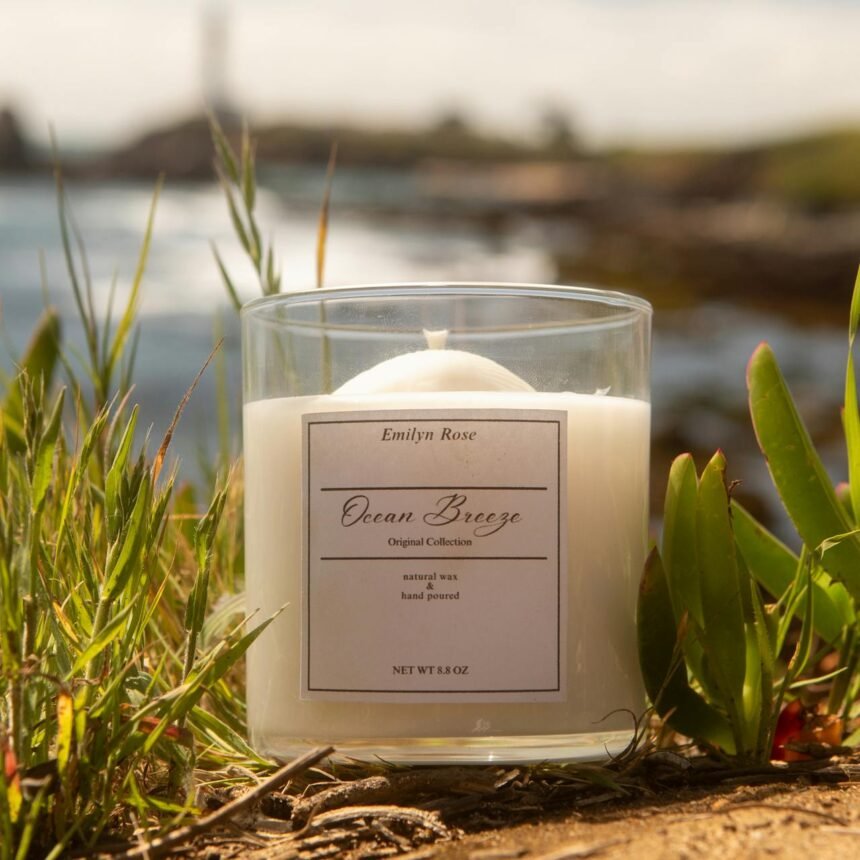
There is a reason we flock to the seaside when life feels overwhelming. The rhythmic crashing of waves, the expansive horizon, and that unmistakable, crisp scent of salt air seem to wash away stress instantly. While we cannot always escape to the Cornish coast or the shores of Brighton, coastal aromatherapy offers a way to bring those restorative benefits into our homes.
In recent years, the wellness community has looked toward blue mind theory—the scientifically backed idea that being near water promotes peace and creativity. Coastal aromatherapy taps into this by utilising ocean-inspired essential oils and marine-derived ingredients to mimic the sensory experience of the shoreline. In this guide, we explore how you can harness these scents to improve your wellbeing, sleep, and clarity.
The Science of Coastal Scents
The “seaside smell” is more than just salt. It is a complex mixture of dimethyl sulfide (produced by marine algae), iodine, and the ozone created by breaking waves. Research published in Nature suggests that coastal environments significantly improve self-reported health and mental clarity.
One of the primary mechanisms behind coastal aromatherapy is salt air inhalation. While a diffuser cannot replicate the exact ionic charge of the ocean, using seaside wellness practices like saline steam or salt lamps can help improve marine air quality in your living space. This helps clear the respiratory system, much like the stress-reduction techniques recommended by the NHS.
The Benefits of Maritime Botanicals
To achieve a true relaxing seaside fragrance, many aromatherapists look beyond the water itself to maritime botanicals—plants that thrive in salty, coastal soil. These include:
- Sea Fennel: Known for its skin-renewing properties and bright, green scent.
- Sea Buckthorn: Often used in marine-derived ingredients for its high vitamin content.
- Samphire: Provides a crisp, saline note that refreshes the mind.
- Sandstone and Driftwood: These aquatic fragrance notes provide a grounding, earthy base to lighter sea scents.
Choosing Your Coastal Diffuser Blends
Creating an atmosphere of shoreline relaxation requires a balance of freshness and depth. When selecting coastal diffuser blends, look for oils that evoke different aspects of the coast. For instance, a blend of Bergamot and Cypress can mimic a Mediterranean cliffside, while Lemon and Sea Salt evoke a sun-drenched beach.
According to the Aromatherapy Council, the olfactory system is directly linked to the limbic system, which controls emotions. This is why coastal aromatherapy can be so effective at shifting our mood quickly.
Comparison of Coastal Scent Profiles
Not all coastal scents are created equal. Depending on your goals—whether it is energy or rest—you may want to choose different aquatic fragrance notes.
| Scent Type | Key Ingredients | Best For | Emotional Impact |
|---|---|---|---|
| Crisp Marine | Sea Salt, Eucalyptus, Peppermint | Morning Focus | Invigorating & Refreshing |
| Coastal Floral | Sea Lavender, Rock Rose, Jasmine | Stress Relief | Calming & Romantic |
| Deep Ocean | Oakmoss, Amber, Driftwood | Evening Relaxation | Grounding & Meditative |
Health Benefits of Coastal Aromatherapy
Integrating coastal aromatherapy into your daily routine is not just about a pleasant-smelling home. It aligns with thalassotherapy principles—the therapeutic use of seawater and marine products. Here are the primary benefits:
- Improved Sleep: Utilising coastal scents for sleep, such as sea lavender or driftwood, can signal to the brain that it is time to wind down. The Sleep Foundation notes that certain scents can decrease heart rate and blood pressure.
- Respiratory Support: Much like sea salt benefits found in halotherapy (salt rooms), diffusing saline-based scents can help thin mucus and reduce inflammation in the airways.
- Mental Clarity: The “openness” of coastal scents helps reduce the feeling of “brain fog.” As noted by Verywell Mind, aromatherapy can be a powerful tool for cognitive grounding.
- Reduced Anxiety: The familiar scent of the ocean can trigger nostalgic, happy memories, which Medical News Today identifies as a key factor in lowering cortisol levels.
How to Practise Coastal Aromatherapy at Home
You don’t need a professional spa to enjoy seaside wellness practices. You can easily utilise these methods yourself:
1. The Ocean Mist Room Spray
Combine distilled water, a pinch of fine sea salt, and 10 drops of an ocean-inspired essential oil (like Atlantic Cedarwood) in a glass spray bottle. Spritz this around your workspace to improve marine air quality and focus.
2. Mineral-Rich Bathing
Harness seawater minerals by adding high-quality sea salt and magnesium flakes to your bath. Add a few drops of seaweed absolute or blue tansy oil. This mimics the mineral density of the ocean, promoting muscle relaxation. You can learn more about skin safety from the British Skin Foundation before applying oils topically.
3. Coastal Meditation
Place a drop of “Sea Breeze” oil on a tissue or in a diffuser. Close your eyes and listen to a recording of ocean waves. This multi-sensory approach strengthens the blue mind theory effect, making your meditation deeper and more effective. Many people find this helps with nature-based mental health recovery.
Safety and Considerations
While coastal aromatherapy is generally safe, it is important to use high-quality, pure essential oils. The Mayo Clinic warns that essential oils should never be ingested and should always be diluted if used on the skin. Always check the scientific data on marine-derived ingredients to ensure they are sustainably sourced and free from synthetic fillers.
For more detailed information on how various oils work, the Healthline Essential Oils Guide provides an excellent starting point for beginners. Research on essential oils and stress confirms that consistent use can lead to long-term improvements in anxiety management.
If you have pets, be cautious. Many coastal diffuser blends contain oils that can be toxic to cats and dogs. Always consult a vet or check WebMD’s aromatherapy overview for safety guidelines regarding household animals.
Summary
Coastal aromatherapy is a bridge between the wild, healing power of the ocean and our modern, often indoor-bound lives. By choosing the right maritime botanicals and understanding the sea salt benefits for our respiratory and mental health, we can create a sanctuary of calm anywhere. Whether you are looking for coastal scents for sleep or an invigorating morning boost, the sea has something to offer everyone.
As Johns Hopkins Medicine points out, while aromatherapy isn’t a cure-all, it is a potent supplemental therapy that enhances our overall quality of life. For further reading on the therapeutic applications of scent, explore the vast database at ScienceDirect.
Frequently Asked Questions (FAQs)
What are the best essential oils for a coastal scent?
To capture the essence of the coast, look for oils like Rosemary, Eucalyptus, Lemon, Pine, and Atlantic Cedarwood. More specialized options include Seaweed Absolute or Blue Tansy, which provide the deeper, salty notes typical of coastal aromatherapy.
Does sea salt in a diffuser actually work?
Standard ultrasonic diffusers are designed for water and essential oils; adding salt can damage the mechanism. Instead, use a “salt pipe” for salt air inhalation or a Himalayan salt lamp placed near your diffuser to combine the benefits of seawater minerals with scent.
Can coastal aromatherapy help with seasonal affective disorder (SAD)?
Yes. Bright, citrus-based aquatic fragrance notes can mimic the feeling of a sunny day at the beach, which may help lift your mood during dark winter months. This is a common practice in seaside wellness practices intended to combat the “winter blues.”