

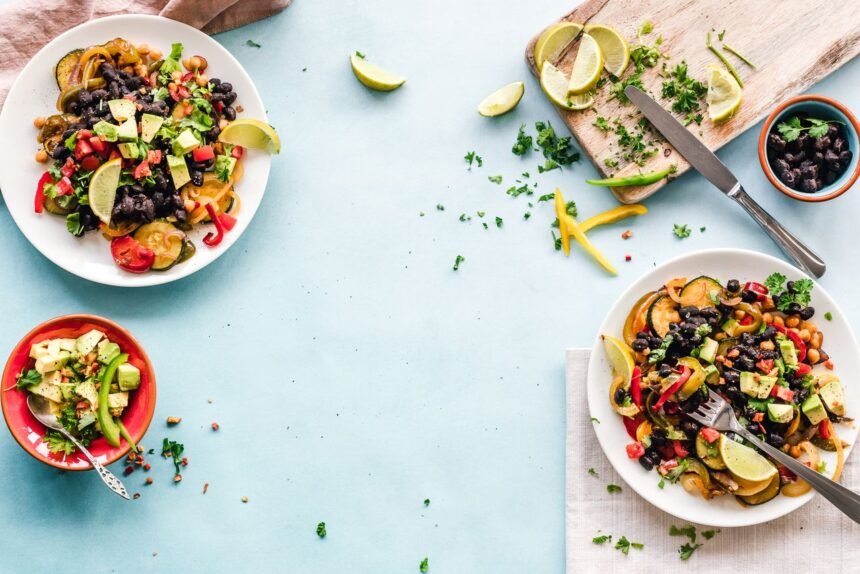
A dense bean salad is a chunky, meal-sized bowl built on beans, crunchy vegetables, fresh herbs, and a generous homemade dressing. It is cheap to make, simple to store, and tastes better after a night in the fridge. This guide gives you a clear dense bean salad recipe with exact fiber grams and protein grams per serving. One batch covers several lunches, and no special equipment is needed.
You will also learn where the trend started, how much fiber adults need, and who should go slowly. Inside, you will find seven flavor ideas, smart customization swaps, and storage rules for a full week of lunches. Short paragraphs and plain language keep every step easy to follow. Every nutrition claim points back to official sources like NIH, CDC, and WHO.
Whether you want an easy meal prep win, a budget-friendly protein, or a gut-friendly side dish, this page covers the full picture. Start with the recipe, then adjust it to your taste, your goals, and your health needs.
What Is a Dense Bean Salad?
A dense bean salad is a bean-based salad packed so tightly with chopped vegetables and herbs that every forkful feels like a full meal. It skips delicate lettuce. Instead, it relies on sturdy ingredients that soak up dressing instead of wilting.
Think of it as a cross between a chopped salad and a classic pantry bean dish. The beans bring protein and fiber. The vegetables bring crunch, color, and freshness.
The dressing does the heavy lifting. A generous mix of olive oil, acid, and seasoning coats every piece and softens the bite of raw onion and garlic. After a night in the fridge, the flavors blend into something far better than the sum of its parts.
Where the Trend Started: Violet Witchel and the Bean Salad Craze
Food creator Violet Witchel popularized the term on TikTok, where she shared weekly meal-prep bowls. Many food outlets now call her the “dense bean salad girl.” Her videos turned a humble pantry idea into a worldwide trend.
The Violet Witchel dense bean salad style follows a few simple rules. Use beans as the base, add plenty of chopped vegetables, skip the leafy greens, and make a big batch of dressing. Then let the bowl marinate in the fridge.
Her approach grew out of a practical need. Witchel has said that as a student athlete, she wanted an easy way to get enough protein and vegetables. That real-life purpose explains why the format works so well for busy people.
If you search for dense bean salad Violet online, you will find hundreds of spin-offs. Home cooks and food brands have added their own twists, from pizza-inspired bowls to herby Mediterranean versions. A first cookbook from Witchel is also reported to be on the way in 2027.
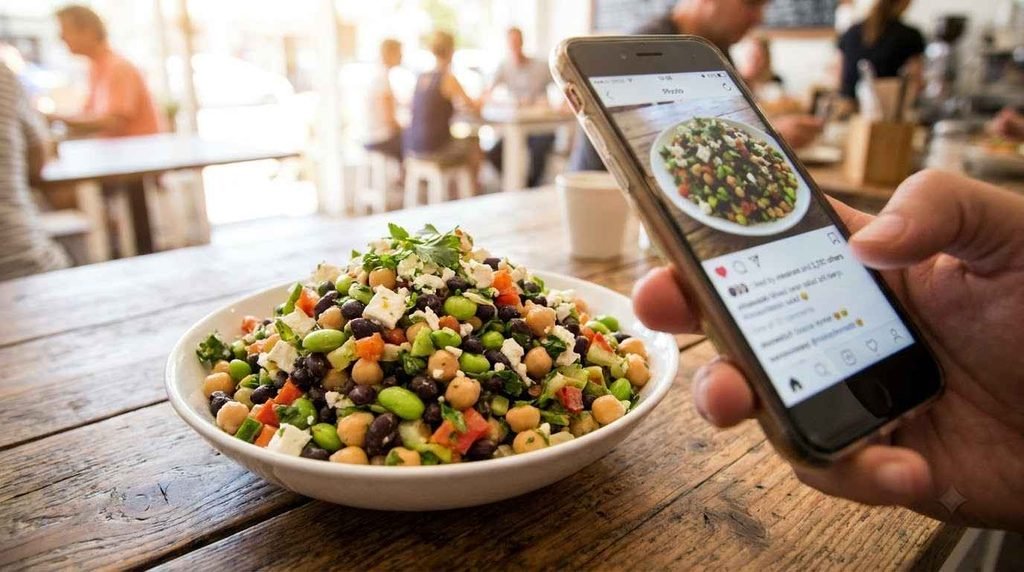
Why the Dense Bean Salad Trend Keeps Growing
Cost is the first reason. A can of beans is one of the cheapest sources of protein and fiber in any grocery store. A big batch can feed you for several days without a large bill.
Convenience is the second reason. There is almost no cooking involved, so you only need a knife, a bowl, and a few minutes. Canned beans cut out the long soaking and simmering of dried ones.
Flexibility is the third reason. You can change the vegetables, herbs, dressing, and toppings every week without changing the method. That makes every dense bean salad recipe feel new while staying familiar.
Food trend forecasts for 2027 also point to beans moving toward the center of the plate. At the same time, national nutrition data from the CDC nutrition data and statistics pages show that most adults fall short of fruit and vegetable recommendations. A bowl that packs in both beans and vegetables helps close that gap.
Dense Bean Salad Nutrition: Why Fiber and Protein Matter
Beans are one of the few foods that deliver a lot of fiber and a lot of protein together. That pairing is rare. Most high-protein foods, like chicken or eggs, contain no fiber at all.
Fiber supports digestion, keeps you feeling full, and helps regular bowel movements. Beans contain both soluble and insoluble fiber. Soluble fiber forms a gel in your gut and may help lower blood cholesterol, while insoluble fiber adds bulk.
Protein supports muscle repair, steady energy, and satisfying meals. The standard adult recommendation is 0.8 grams of protein per kilogram of body weight each day. A single bowl of this salad can supply a solid share of that target.
Plant protein from beans is slightly lower in methionine, an essential amino acid. You can balance this easily by eating grains, seeds, or nuts during the day. A sprinkle of pumpkin seeds or a side of whole-grain bread does the job.
How Many Fiber Grams Do You Need Each Day?
Most adult guidelines land between roughly 25 and 38 grams of fiber per day. Women under 50 are usually advised to aim for about 25 grams. Men under 50 are usually advised to aim for about 38 grams.
The ODS fiber fact sheet for health professionals explains the reference intake as 14 grams of fiber for every 1,000 calories eaten. For someone eating 2,000 calories, that works out to 28 grams. Many adults eat well under that amount.
One serving of this dense bean salad recipe delivers roughly 17 grams of fiber. That covers more than half of a typical daily goal in one meal. It also means you should plan the rest of your day around lighter fiber choices if you are new to beans.
Go slowly if your usual diet is low in fiber. The NIDDK’s guidance on eating, diet, and nutrition for constipation explains how fiber helps digestion and why adding it gradually and drinking enough fluids matters. Jumping from 10 grams to 30 grams overnight can cause gas, bloating, and cramps.
Which Beans Work Best? A Quick Comparison
Not all beans are equal in fiber and protein. The table below shows approximate values for one cup of cooked beans. These are typical food-composition values, so labels on canned products may differ slightly.
| Bean (1 cup, cooked) | Calories | Protein (g) | Fiber (g) | Best Use |
|---|---|---|---|---|
| Chickpeas | 269 | 14.5 | 12.5 | Firm texture, holds dressing well |
| Black beans | 227 | 15.2 | 15.0 | Southwest-style bowls |
| Kidney beans | 225 | 15.3 | 11.3 | Hearty, sturdy bites |
| Cannellini (white beans) | 249 | 17.4 | 11.3 | Creamy, great with herbs |
| Lentils | 230 | 17.9 | 15.6 | Fast cooking, earthy flavor |
| Shelled edamame | 188 | 18.5 | 8.1 | Fresh pop, Asian-style dressings |
Lentils and black beans lead for fiber. Edamame and lentils lead for protein. Chickpeas sit in the middle, which is why so many dense bean salad recipes start with them.
Mixing two or three bean types gives you better texture and a broader nutrient profile. This is also the easiest way to keep the bowl interesting. In the main recipe below, we use chickpeas and cannellini.
Ingredients for the Main Dense Bean Salad Recipe
This base recipe is a Mediterranean dense bean salad that makes four large bowls. It takes about 20 minutes of hands-on time. Chill it for at least one hour before eating.
| Group | Ingredient | Amount |
|---|---|---|
| Beans | Canned chickpeas, drained and rinsed | 2 cans (15 oz each) |
| Beans | Canned cannellini beans, drained and rinsed | 1 can (15 oz) |
| Vegetables | Persian cucumbers, diced | 4 |
| Vegetables | Cherry tomatoes, halved | 2 cups |
| Vegetables | Bell peppers (any color), diced | 2 |
| Vegetables | Red onion, finely diced | 1/2 |
| Herbs | Fresh parsley, chopped | 1 cup, packed |
| Dressing | Extra-virgin olive oil | 1/3 cup |
| Dressing | Fresh lemon juice (about 2 lemons) | 1/3 cup |
| Dressing | Red wine vinegar | 2 tablespoons |
| Dressing | Garlic cloves, minced | 2 |
| Dressing | Dried oregano | 1 teaspoon |
| Dressing | Dijon mustard | 1 teaspoon |
| Dressing | Salt and black pepper | 1/2 teaspoon salt, pepper to taste |
| Optional | Crumbled feta | 1/2 cup |
| Optional | Kalamata olives, halved | 1/2 cup |
Use extra-virgin olive oil because the dressing is a main flavor here. Choose fresh lemons instead of bottled juice for a brighter taste. Persian cucumbers stay crisp in the fridge much longer than regular cucumbers.
Rinse your canned beans in a colander for about 30 seconds. This washes away the thick canning liquid and noticeably reduces sodium. It also gives the final salad a cleaner flavor.
Step-by-Step Dense Bean Salad Recipe
Follow these steps to make the full batch. Each step is short, so you can do them in order without stress. The total active time is about 20 minutes.
- Make the dressing. In a large bowl, whisk the olive oil, lemon juice, red wine vinegar, garlic, oregano, Dijon, salt, and pepper until it looks creamy.
- Soften the onion. Add the diced red onion to the dressing and let it sit for 5 minutes. This mellows the sharp raw bite.
- Prep the beans. Drain and rinse all three cans of beans. Pat them dry with a clean towel so the dressing clings instead of pooling.
- Chop the vegetables. Dice the cucumbers, peppers, and tomatoes into pieces about the size of a chickpea. Matching the size makes each bite balanced.
- Combine everything. Add the beans, vegetables, parsley, and any optional feta or olives to the bowl. Toss well until every piece is coated.
- Taste and adjust. Add a pinch of salt, a splash of lemon, or more pepper as needed. Remember the flavors will deepen as the bowl rests.
- Chill and serve. Cover and refrigerate for at least one hour, or overnight for best results. Stir again before serving.
Chopping everything to a similar size is the secret of a good bean salad. It lets you get beans, vegetables, and dressing in every forkful. A sharp knife and a large mixing bowl make the job faster.
Do not rush the chill time. The beans and vegetables absorb the dressing slowly, and that is what makes the texture “dense.” Even one hour makes a visible difference, though overnight is better.
Fiber Grams and Protein Grams Per Serving
Here is where the numbers come together. The table below adds up the fiber grams and protein grams in the full batch, then divides by four servings. All values are estimates based on standard food-composition data, so treat them as a guide rather than a lab result.
| Component | Protein (g, full batch) | Fiber (g, full batch) |
|---|---|---|
| Chickpeas (about 3 cups) | 43.5 | 37.5 |
| Cannellini beans (about 1.5 cups) | 26.0 | 17.0 |
| Cucumbers, tomatoes, peppers, onion | 6.5 | 12.0 |
| Parsley | 1.5 | 2.0 |
| Full batch total | about 77 | about 68 |
| Per serving (1 of 4) | about 19 | about 17 |
One serving of this dense bean salad has roughly 490 calories, 19 grams of protein, and 17 grams of fiber. Most of those calories come from the beans and olive oil. Adding the optional feta raises protein by roughly 2.5 grams per serving.
Canned beans vary by brand, and drained weight changes the final numbers. If you need exact values, enter your own ingredients into a nutrition database or check the labels. People managing a medical condition should ask a registered dietitian for precise targets.
Seven Easy Variations to Try
The same method works with almost any flavor profile. Keep the bean-to-vegetable ratio the same and change the herbs, dressing, and toppings. Here are seven ideas that stay close to the main dense bean salad recipe.
1. Mediterranean Dense Bean Salad
This is the base recipe above. Chickpeas, cannellini beans, cucumbers, tomatoes, parsley, and lemon create a bright, fresh bowl. It is the easiest place to start if you are new to the trend.
A Mediterranean dense bean salad also fits the eating pattern many health organizations recommend. That pattern leans on legumes, vegetables, olive oil, and herbs. The WHO’s healthy diet fact sheet highlights legumes, vegetables, and whole foods as core parts of a healthy diet.
2. Greek Dense Bean Salad
Swap the cannellini for white or giant beans and add olives, feta, and a little dried dill. Use red wine vinegar as the main acid and add diced red pepper for sweetness. Finish with a sprinkle of dried oregano.
A Greek dense bean salad has a saltier profile, so go light on added salt. Feta and olives already bring plenty of sodium. Taste before you season.
3. Chimichurri Dense Bean Salad
Blend parsley, cilantro, garlic, red wine vinegar, olive oil, and a pinch of chili flakes into a loose, green sauce. Toss it with black beans, white beans, corn, and diced red pepper. The sauce is bold, so a little goes a long way.
A chimichurri dense bean salad is a good choice if you love herbs. The sauce turns very green and fresh, and it keeps well for several days. Add the sauce in two stages so the herbs stay bright.
4. Italian Chopped-Style Dense Bean Salad
Combine chickpeas and white beans with chopped tomatoes, pepperoncini, red onion, and fresh basil. Add a red wine vinaigrette and a bit of sharp provolone or salami if you like. This version recalls the chopped Italian sandwich flavors that inspired the original trend.
It is the most indulgent bowl on this list. Cured meats are higher in sodium and saturated fat. Use them as a topping rather than the base.
5. Miso Edamame Dense Bean Salad
Mix white beans, shelled edamame, diced cucumber, shredded carrot, and scallions. Whisk a dressing from white miso, rice vinegar, sesame oil, and a little maple syrup. This one has a savory, umami flavor that feels very different from the others.
Edamame raises the protein count, with about 18 grams per cup. Miso adds sodium, so reduce added salt. Top with sesame seeds for crunch.
6. Southwest Black Bean Dense Bean Salad
Use black beans, pinto beans, corn, red onion, bell pepper, and cilantro. Dress it with lime juice, olive oil, cumin, and a pinch of smoked paprika. Add diced avocado right before serving.
Black beans lead the fiber chart in the table above. That makes this bowl one of the highest-fiber options. Keep avocado separate if you plan to store leftovers.
7. Lemon-Herb White Bean Dense Bean Salad
Use only white beans and cut the vegetables into very small cubes. Add lemon zest, plenty of parsley, dill, and a little garlic. This is the mildest version and works well for people who prefer gentle flavors.
It is also an easy gateway for picky eaters. The creamy beans feel soft and familiar. Add a few olives or capers for brightness if you like.
Bean Salad vs. a Traditional Green Salad
A traditional green salad is mostly water and leaves, so it is light and low in calories. A dense bean salad is built around protein-rich, calorie-dense ingredients, so it works as a main course. Neither one is better, because they do different jobs.
Leafy salads add volume and nutrients such as vitamin K and folate. Bean salads add staying power. Many people enjoy both in one meal, with a small green salad on the side.
Because a bean bowl is richer, portion awareness matters. One bowl of the main recipe is a full lunch for most adults. Pair it with fruit or a small side if you need more food.
Customization: Make Your Dense Bean Salad Fit Your Goals
One of the best features of this format is how easy it is to customize. You can raise protein, cut sodium, or lower cost without changing the method. The table below shows common goals and simple swaps.
| Goal | Simple Swap | What Changes |
|---|---|---|
| More protein | Add edamame, cooked lentils, or grilled chicken | Adds about 8 to 18 g protein per cup of legumes |
| Higher fiber | Use black beans or lentils, add shredded carrots | Raises fiber toward 20 g per serving |
| Lower sodium | Buy no-salt-added beans and rinse well | Cuts sodium significantly |
| Gentler on digestion | Start with half a serving, use well-rinsed lentils | Reduces gas for beginners |
| Budget-friendly | Use dried beans, frozen vegetables, and seasonal produce | Lowers cost per bowl |
| Vegan | Skip feta, use olives, nutritional yeast, or tahini | Keeps the flavor without dairy |
| Lower calorie | Use 1/4 cup oil instead of 1/3 cup, add more vegetables | Trims about 100 calories per batch share |
| Extra crunch | Add toasted seeds, radishes, or celery | Improves texture |
Add-ins are where you can really personalize the bowl. Roasted vegetables, artichoke hearts, sun-dried tomatoes, and pickled onions all work well. Grilled chicken, tuna, or boiled eggs fit if you want more animal protein.
Avoid watery ingredients that release liquid, like sliced mushrooms or sliced fresh zucchini, unless you eat the bowl within a day. Also hold back soft herbs like basil until serving if you want them to stay green. These small choices protect the texture.
If you prefer a specific style, search for dense bean salad recipes from different creators and borrow what you like. Many cooks build their own weekly rotation. Rotating flavors helps you keep eating beans without getting bored.
Storage: How to Keep Your Dense Bean Salad Fresh
Store the salad in an airtight container in the refrigerator. Glass containers work best because they do not absorb odors. Keep the fridge at 40°F (4°C) or colder.
Most bean-based salads stay good for about four days when stored properly. This follows the general food safety guidance for cooked leftovers, which is three to four days. When in doubt, throw it out.
Do not leave the bowl out at room temperature for more than two hours. Bean salads are moist, and bacteria grow quickly in warm conditions. If you are bringing it to a picnic, pack it with an ice pack.
Keep delicate toppings separate. Avocado, fresh herbs, crunchy seeds, and cheese are best added right before eating. This keeps the base fresh and the toppings crisp.
Freezing is not recommended for the finished salad. Cucumbers, tomatoes, and peppers turn mushy after thawing. You can freeze cooked plain beans in portions, though, and build a fresh salad later.
Meal Prep Tips
Make the dressing and chop the vegetables on Sunday. Store the beans and vegetables in one container and the dressing in a small jar. Combine them the night before you plan to eat for the freshest texture.
Portion the salad into individual containers for grab-and-go lunches. A 16-ounce container holds about one generous serving. Stir each container before eating to redistribute the dressing.
Serving Ideas for Busy Weeks
This salad is a complete bowl on its own, but it also works as a flexible base. Spoon it over cooked quinoa or brown rice to add whole grains. Stuff it into a pita or wrap it in a large collard leaf for a handheld lunch.
It also works as a side dish at barbecues and potlucks. It travels well, needs no reheating, and stays safe if you keep it cold. Bring a big serving spoon, because people usually go back for seconds.
For dinner, top a portion with grilled salmon, roasted chicken, or a soft-boiled egg. This adds protein and makes the meal feel more filling. A handful of arugula added at the last second brings in greens without wilting.
Practical Cooking Tips for Better Results
A few kitchen habits make the biggest difference. These are practical lessons, not magic tricks. They help your bowl taste balanced every time.
Salt in stages. Beans and vegetables absorb seasoning, so a salad that tastes perfect right away can taste flat the next day. Taste again after the chill and adjust gently.
Balance fat and acid. A dressing with too much oil tastes heavy, and one with too much lemon tastes harsh. A ratio near two parts oil to one and a half parts acid is a good starting point.
Dice small and even. Larger chunks leave bare spots with no dressing. Smaller pieces give you a dense, cohesive bite.
Use a mix of textures. Combine creamy beans, crunchy vegetables, and something chewy like olives or sun-dried tomatoes. This keeps each forkful interesting.
How to Reduce Gas From Beans
Gas is the most common complaint about beans, and it is normal. Beans contain fermentable carbohydrates that gut bacteria break down, which produces gas. The good news is that your body usually adapts over a few weeks.
Start with a half serving and increase slowly. Rinse canned beans well and drink plenty of water through the day. Dried beans that are soaked and cooked in fresh water may feel gentler on your stomach.
Herbs and spices such as cumin, fennel, and ginger are traditionally paired with beans, although the evidence that they reduce gas is limited. A gentle walk after a meal supports digestion for many people. If symptoms are severe or do not improve, speak with a healthcare professional.
Who Should Be Careful With Dense Bean Salad?
Beans are safe and healthy for most people. Still, nutrition advice is a health topic, and some groups should take extra care. This section explains who may need to adjust.
People with digestive conditions. Beans are high in fermentable carbohydrates, which can trigger gas or discomfort in people with irritable bowel syndrome. A registered dietitian can help you test portions and preparation methods. Small portions of well-rinsed lentils or canned chickpeas are often tolerated better.
People with kidney disease. Beans contain potassium and phosphorus, and some people with chronic kidney disease need to limit them. Ask your nephrologist or dietitian before eating beans regularly. Do not rely on general advice here.
People with diabetes or on blood sugar medicine. Beans can help steady blood sugar because of their fiber. However, they still contain carbohydrates, and a large portion can change how much medicine you need. Talk with your care team about portion sizes.
People taking GLP-1 medicines. These medicines can slow digestion and reduce appetite. A large, high-fiber meal may feel too heavy, and sudden fiber increases can worsen constipation or bloating for some people. Start with a small portion and follow your clinician’s guidance.
People watching sodium. Canned beans, olives, feta, and cured meats all add salt. Choose no-salt-added beans and rinse them well. Check labels if you have high blood pressure.
People with allergies. Soy (edamame, miso), sesame, dairy, and tree nuts appear in several variations. Always read ingredient labels and swap if needed.
This article is for general education. It does not replace advice from a licensed healthcare professional. If you have a medical condition, take medication, or are pregnant, speak with your doctor before changing your diet.
Common Mistakes to Avoid
Even a simple recipe has pitfalls. These are the most common mistakes that make a bean salad taste dull or turn soggy. Fixing them takes only a minute.
Skipping the rinse leaves a salty, starchy coating on the beans. Using too little dressing leaves the bowl dry the next day. Adding leafy greens early makes everything wilt.
Cutting vegetables too big also ruins the format. Overloading with watery vegetables dilutes the dressing. Forgetting to taste after chilling means you miss a chance to fix the seasoning.
Increasing fiber too fast is the most important mistake for your body. If you go from very little fiber to a big bowl every day, you may feel bloated. Build up over a couple of weeks and drink water throughout the day.
Frequently Asked Questions
What is a dense bean salad?
A dense bean salad is a meal-prep salad built on beans and chopped vegetables with lots of dressing and no leafy greens. It is high in fiber and protein. It tastes better after resting in the fridge.
Who created the dense bean salad?
Food creator Violet Witchel popularized the term on TikTok. She shared weekly bean salad meal-prep videos that went viral. Many people now search for Violet Witchel dense bean salad ideas to follow her style.
How much protein is in a dense bean salad?
It depends on the beans and add-ins. The recipe in this guide has about 19 grams of protein per serving. Adding edamame, lentils, or chicken can raise it further.
How much fiber is in a dense bean salad?
The main dense bean salad recipe here provides roughly 17 grams of fiber per serving. Black beans and lentils can push that higher. Always increase fiber gradually.
How long does dense bean salad last in the fridge?
Store it in an airtight container for up to four days. Keep avocado, herbs, and cheese separate if you want the best texture. Discard it if it smells sour or looks slimy.
Can I use dried beans instead of canned?
Yes. Soak and cook them until tender, then cool completely before mixing. One cup of dried beans makes roughly two to three cups cooked.
Is a dense bean salad good for weight management?
It can fit into a balanced eating plan because fiber and protein help you feel full. It is not a magic weight-loss food. Portion size and your overall diet still matter.
Can I make it without oil?
You can reduce the oil and use more lemon juice, vinegar, or a little yogurt or tahini. The texture will be drier, so add more vegetables with natural moisture. Olive oil also adds healthy fats, so keep some if your diet allows.
Final Thoughts
A dense bean salad is more than a social media trend. It is a practical, flexible, and affordable way to eat more beans, vegetables, and herbs. With about 17 grams of fiber and 19 grams of protein per serving, the base recipe covers two nutrients many people struggle to get.
Start with the Mediterranean dense bean salad in this guide, then explore Greek, chimichurri, Southwest, and miso versions. Use the customization table to fit your goals and the storage tips to make it last all week. Go slowly if you are new to fiber, and talk with a healthcare professional if you have a medical condition.
Make a big batch this weekend and see how much easier your weekday lunches become. Share your favorite twist with friends and family. Small changes in what you eat can add up to a healthier routine.
Medical Disclaimer
This article is for general information and does not provide medical advice, diagnosis, or treatment. Nutrition values are estimates and vary by brand and portion. Consult a qualified healthcare professional before making major dietary changes, especially if you have a health condition, take medicine, or are pregnant or breastfeeding.