

Beans on toast is the humble British classic that turns two pantry staples into a warm, filling meal in under ten minutes. In this guide, you will learn what is beans on toast, where the dish comes from, and how to make beans on toast the way people do it at home across the UK. We share a simple beans on toast recipe, a clear nutrition breakdown, and seven easy variations that keep things fresh.
You will also see how baked beans on toast fits into a balanced day, thanks to its mix of fiber and plant protein. We compare heinz beans on toast with homemade versions, and we point you to trusted health sources so you can make smart choices. Whether you are a student, a busy parent, or a curious cook, this page gives you everything in one place.
Introduction
Some meals feel like a warm hug, and beans on toast is one of them. It takes about eight minutes, costs very little, and fills you up better than you might expect. That is why it has stayed on British tables for generations.
Lately, this old favorite is getting fresh attention. Food trend watchers say beans are having a big moment, and people are searching for easy ways to eat more fiber and plant protein. A beans on toast recipe fits that goal perfectly.
In this guide, we keep things simple and honest. You will learn what is beans on toast, how to cook it well, what it gives your body, and how to change it up. We also share clear health notes, because food advice should always be careful and fair.
Think of this page as a friendly kitchen helper. Read it top to bottom, or jump to the part you need. Either way, you will walk away ready to cook.
What Is Beans on Toast?
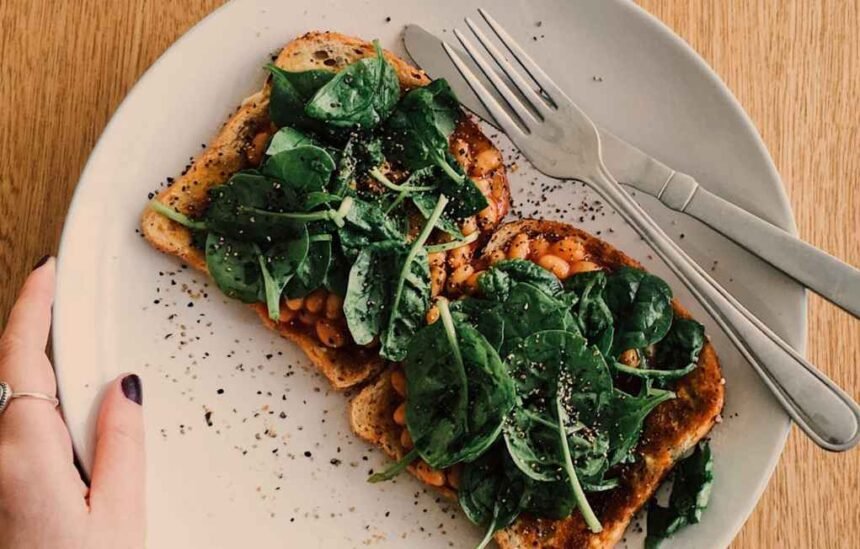
So, what is beans on toast? It is exactly what the name says: warm beans in a tomato-style sauce, spooned over a slice of hot toast. Most people use haricot beans, also called navy beans, in a sweet and tangy sauce.
The dish is a staple of british beans on toast culture. People eat it for breakfast, lunch, a quick dinner, or a late-night snack. It is also a classic student meal, because it is cheap, fast, and needs almost no skill.
What makes it special is the contrast. The toast is crisp and buttery, while the beans are soft and saucy. Together they make a comforting bite that feels more like a proper meal than a snack.
Many cooks now call beans on toast a gateway meal for eating more legumes. Legumes are the beans, peas, and lentils family. They are known for fiber, plant protein, and a low price tag.
The Story Behind British Beans on Toast
The story of british beans on toast starts with a can. Canned baked beans crossed the Atlantic in the late 1800s, and Heinz began selling its beans in Britain in 1886. By the 1920s, the company was making them in the UK, which made them cheaper and easier to find.
Beans soon became a pantry hero. They were affordable, they kept for months, and they stretched a small budget. Spooned over toast, they turned a plain slice of bread into something filling.
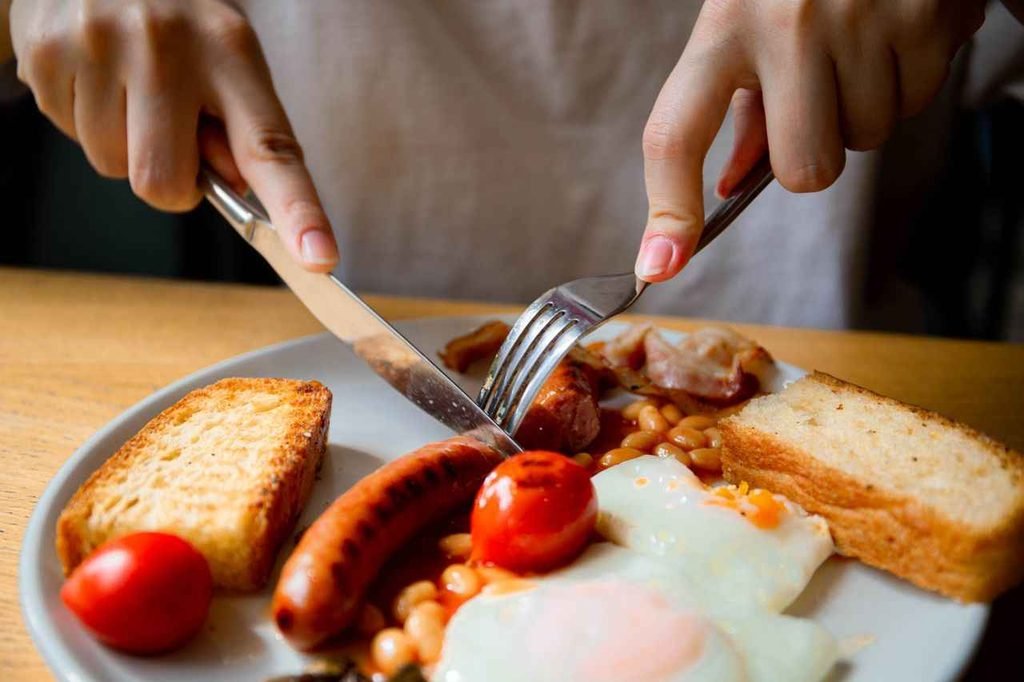
Over time, beans on toast british style became part of everyday life. It showed up in school canteens, student flats, and family kitchens. It even earned a spot in the full cooked breakfast, where beans share the plate with eggs and sausages.
Today, english beans on toast and uk beans on toast mean almost the same thing in conversation. People in England, Scotland, Wales, and Northern Ireland all have their own habits. Some add butter, some add cheese, and some argue loudly about whether the toast should be buttered at all.
Why Beans on Toast Is Trending Again
This old classic is suddenly back in the spotlight. Food trend reports for 2027, including one from Whole Foods Market, point to beans as a center-of-the-plate food. Social media has even given the movement nicknames like the bean boom.
There is a simple reason for the hype. Many adults do not eat enough fiber, and beans are one of the easiest ways to close the gap. Public health pages on everyday nutrition basics explain why whole foods and balanced plates matter.
A beans on toast recipe fits right into this trend. It is cheap, quick, and familiar, so you do not need fancy skills or special shops. You can also upgrade it in minutes, which we cover later.
Another term you may see online is fibermaxxing, which means eating more fiber on purpose. It sounds extreme, but the smart version is simple: add fiber slowly and drink enough water. A plate of baked beans on toast can be one small, friendly step in that direction.
What You Need for a Simple Beans on Toast Recipe
Good news: the ingredient list is short, and you probably have most of it already. Here is what you need to serve two people.
- 1 can (400 g or 14 oz) of baked beans in tomato sauce
- 4 slices of wholegrain bread
- 2 teaspoons of butter or olive oil
- 1 small garlic clove, finely grated (optional)
- A pinch of smoked paprika (optional)
- A dash of Worcestershire sauce or soy sauce (optional)
- Freshly ground black pepper
- A handful of grated cheddar or chopped parsley to finish (optional)
Choose bread that you enjoy, because toast is half the dish. Wholegrain or seeded bread adds more fiber, while sourdough adds a chewy bite. Gluten-free bread works too if you need it.
You only need one small saucepan and a toaster or grill. That means very little washing up. It is a perfect beans on toast recipe for tired evenings.
How to Make Beans on Toast in 8 Minutes
Now for the fun part. Here is how to make beans on toast the easy way, with no fuss and only one pan. Follow the steps below, and taste as you go.
- Pour the beans into a small saucepan and set it over medium-low heat.
- Stir in the garlic, paprika, Worcestershire sauce, and a few twists of black pepper.
- Warm the beans for 4 to 5 minutes, stirring often, until they bubble gently at the edges.
- While the beans heat, toast the bread until golden and crisp.
- Spread a little butter or olive oil on each slice while it is still hot.
- Spoon the beans over the toast, add cheese or parsley if you like, and serve right away.
Do not boil the beans hard. Fast boiling can break the skins and make the sauce stick to the pan. A gentle simmer keeps the texture soft and the flavor rich.
If the sauce looks too thick, add a spoonful of water. If it looks too thin, let it bubble for one more minute. That one small trick is the secret behind great beans on toast.
Heinz Beans on Toast: Is It Worth It?
When people picture heinz beans on toast, they usually think of the classic blue and orange can. Heinz is the most famous name in British baked beans, and many families grew up with it. The beans are soft, the sauce is smooth, and the taste is sweet and tangy.
The brand also sells reduced sugar and reduced salt versions, which can help if you are watching those numbers. Always read the label, because recipes and sizes change from place to place. A small difference in sugar or salt can add up if you eat beans often.
Is heinz beans on toast better than homemade? Not always, but it is faster and very consistent. Homemade beans give you control over salt and sugar, while canned beans give you speed. Many people mix both by heating canned beans and boosting them with fresh garlic and herbs.
Beans on Toast Nutrition Breakdown
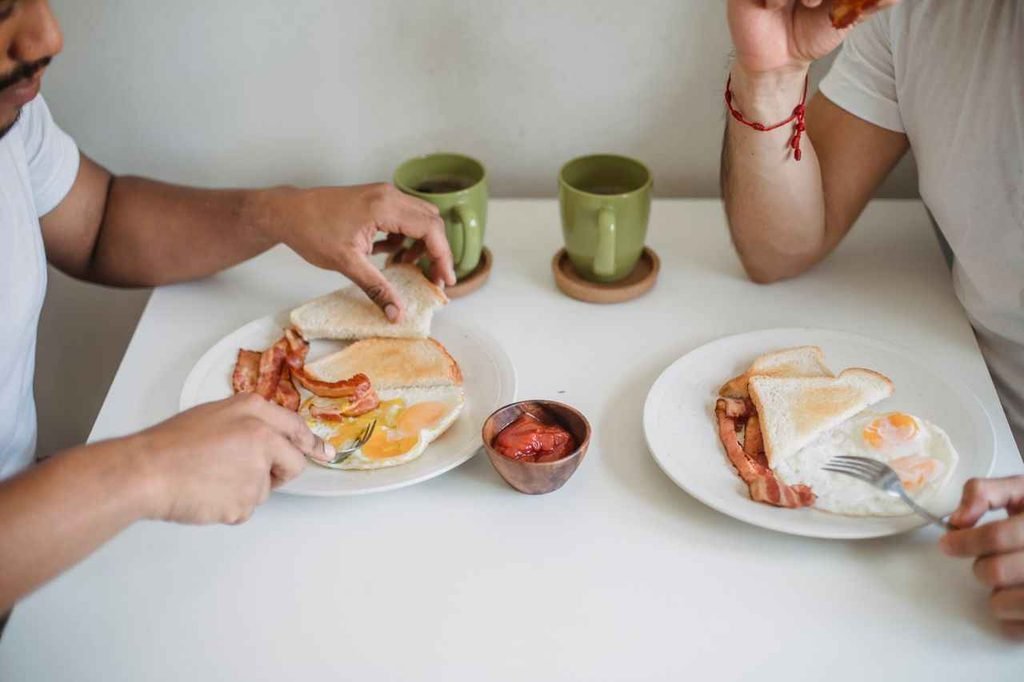
Let us look at what is on your plate. The numbers below are estimates for one serving: two slices of wholegrain toast with half a 400 g can of baked beans (about 200 g), with no butter. Brands differ, so treat these as a guide and check your own labels.
| Nutrient | Approx. Amount | Why It Matters |
|---|---|---|
| Calories | 330 kcal | Suits a light meal or hearty snack |
| Protein | 16 g | Supports muscles and fullness |
| Carbohydrates | 57 g | Main source of energy |
| Fiber | 12 g | Supports digestion and fullness |
| Sugars | 12 g | Comes from sauce and bread |
| Fat | 3 g | Low before butter or cheese |
| Salt | 2 g | Worth watching if you limit sodium |
Fiber is the star here. At about 12 g per plate, one serving can give roughly a third to nearly half of the 25 to 38 g many adults are advised to eat each day, depending on age and sex. The page on fiber and digestive health explains how fiber helps keep digestion regular.
Protein is a nice surprise. Beans and bread are both plant foods, yet together they offer around 16 g of protein. Adding an egg or a little cheese pushes that number higher.
Sugar and salt deserve a quick look. The sauce in canned baked beans on toast often has added sugar and salt. That is fine for most people in moderation, but reduced salt or reduced sugar cans are a smart pick if you eat this meal often.
Finally, remember that butter, cheese, and oil change the totals. One teaspoon of butter adds roughly 35 calories, for example. Small extras are fine, so just be aware of them.
Health Benefits of Beans on Toast (and Smart Limits)
Beans on toast can be a helpful part of a balanced diet. Beans bring fiber and plant protein, while wholegrain bread adds slow-release carbohydrates. Together they keep you full for longer.
Soluble fiber, the kind found in beans, is linked with healthy cholesterol levels in research summarized in the dietary fiber and protein fact sheets from the NIH Office of Dietary Supplements. Fiber also feeds the friendly bacteria in your gut. That is why many dietitians suggest beans as an everyday food.
Beans are also kind to your wallet. A can costs very little, stores for ages, and needs no chopping. For students and busy families, that matters as much as nutrition.
There are limits, too. Canned sauces can be high in salt and sugar, and the World Health Organization advises adults to keep salt under 5 g a day. Its healthy diet guidance also suggests limiting free sugars, so choose reduced versions when you can.
Balance is the answer. Add a side of vegetables, use less butter, and pick wholegrain bread. A uk beans on toast lunch with a side salad is a much stronger plate than toast and beans alone.
Beans on Toast and Digestive Comfort
Beans are rich in fiber, so your gut may need time to adjust. If you jump from very little fiber to a lot overnight, you may feel bloated or gassy. Increase slowly over a couple of weeks, and drink plenty of water.
This matters for people who eat smaller portions or have appetite changes, including some who take GLP-1 medicines for weight or diabetes care. These groups often need protein and fiber, but they may also deal with constipation or early fullness. Ask your doctor or dietitian how much is right for you.
Some people find beans hard to digest because of natural carbohydrates called FODMAPs. If you have IBS, a small portion of baked beans on toast may suit you better than a full plate. Notice how you feel, and adjust from there.
7 Easy Beans on Toast Variations
Plain beans on toast is great, but a few small add-ons can turn it into a brand new meal. Here is a quick overview, followed by a closer look at each idea. Every one of them works with the simple beans on toast recipe above.
| Variation | What You Add | Best For |
|---|---|---|
| Cheesy | Grated cheddar, grilled | Comfort food nights |
| Egg-Topped | Poached or fried egg | Extra protein |
| Spicy | Chili flakes, hot sauce | Bold flavor lovers |
| Mushroom and Spinach | Sauteed greens and mushrooms | More vegetables |
| Avocado | Smashed avocado, lime | Healthy fats |
| Full English Style | Grilled tomato, sausage, egg | Weekend brunch |
| Homemade Tomato and Herb | Beans simmered from scratch | Full control of salt and sugar |
1. Cheesy Beans on Toast
Sprinkle grated cheddar over the hot beans and slide the toast under the grill for two minutes. The cheese melts into the sauce and creates a rich, golden top. It is the ultimate comfort version of beans on toast.
Cheese adds protein and calcium, but it also adds salt and saturated fat. Use a small handful rather than a heavy layer. A strong cheddar gives plenty of flavor with less cheese.
2. Egg-Topped Beans on Toast
Top the beans with a soft poached or fried egg. The runny yolk blends with the sauce and makes everything silky. A large egg adds about 6 g of protein, which makes this a very satisfying meal.
This is a popular choice for english beans on toast lovers who want a proper dinner. It is also a smart option after exercise, when your body likes protein. Add black pepper and you are done.
3. Spicy Beans on Toast
Stir chili flakes, smoked paprika, or a few drops of hot sauce into the beans while they warm. The heat cuts through the sweetness of the sauce. Start with a small amount, then build up.
Spices add flavor without adding salt, which is a nice trick for anyone watching sodium. A squeeze of lime at the end brightens the whole plate. It feels fresh, even though it takes the same eight minutes.
4. Mushroom and Spinach Beans on Toast
Fry sliced mushrooms in a little olive oil until golden, then wilt in a handful of spinach. Spoon the beans over the toast and pile the vegetables on top. You get more fiber, more vitamins, and a deeper savory taste.
This version is a lovely answer to the question of how to make beans on toast feel more like a balanced meal. Vegetables add volume without many calories. Even picky eaters often enjoy it.
5. Avocado Beans on Toast
Mash half a ripe avocado onto the toast, add a squeeze of lime, and top it with warm beans. The creamy avocado and the tangy beans work surprisingly well together. Avocado also adds healthy unsaturated fats.
This twist sits nicely between british beans on toast and the trendy avocado toast you see in cafes. Add a pinch of chili flakes for color. Keep the portion small, since avocado is energy dense.
6. Full English Style Beans on Toast
Serve the beans with a grilled tomato, a fried egg, and one or two sausages. Pork, chicken, or plant-based sausages all work. It is a hearty brunch that brings the full cooked breakfast to one plate.
This one is a treat rather than an everyday meal. Processed meats are best eaten occasionally, so consider a plant-based sausage or skip the meat. The beans still do the heavy lifting.
7. Homemade Tomato and Herb Beans on Toast
Soften a chopped onion in olive oil, add garlic, then stir in a can of drained haricot or cannellini beans and half a cup of passata. Simmer for 15 minutes with thyme or oregano. Season lightly and serve on thick toast.
This is the best route if you want to control salt and sugar. It also tastes fresher and a little less sweet than canned baked beans on toast. Make a double batch and keep the leftovers for tomorrow.
Healthier Swaps for Beans on Toast
You do not need to give up comfort to eat well. Small swaps can lift the nutrition of your beans on toast without changing the taste much. Here are six easy ones.
| Swap To | Instead Of | Why It Helps |
|---|---|---|
| Wholegrain or seeded bread | White bread | More fiber and nutrients |
| Reduced salt and sugar beans | Regular canned beans | Lower sodium and sugar |
| Olive oil | Heavy butter | More unsaturated fat |
| Spinach or tomatoes on the side | Extra toast | More vitamins, fewer refined carbs |
| Egg or a little cheese | Bacon | Protein with less processed meat |
| Herbs and spices | Extra salt | Flavor without sodium |
You do not have to do all six at once. Pick one swap this week and add another next week. Slow change is easier to keep.
If you are cooking for kids, try mixing white and wholegrain bread at first. Many families find that it makes the move to wholegrain smooth and stress free. Taste, not rules, wins in the end.
Which Beans Should You Use?
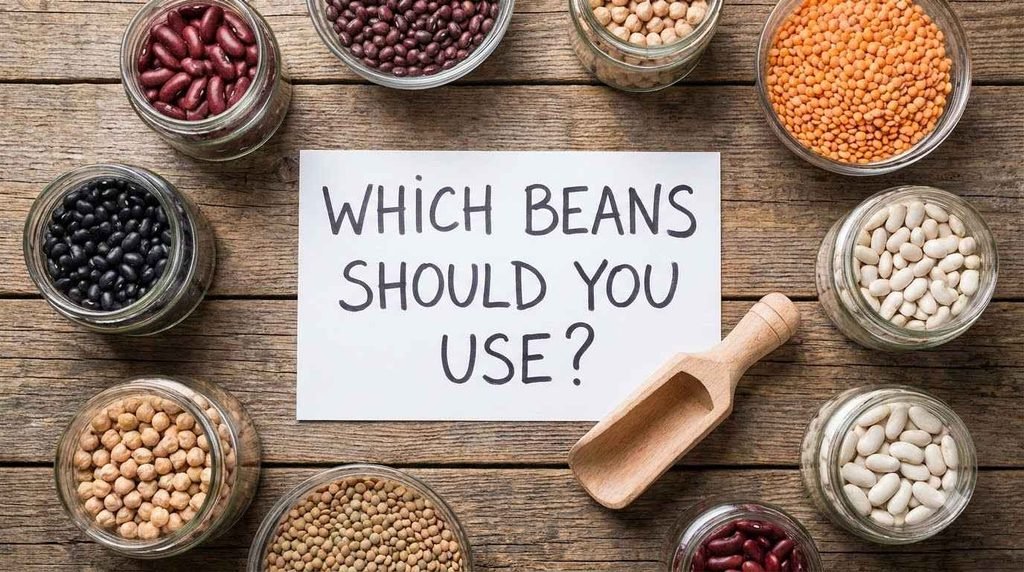
Not every bean choice is the same, and the right one depends on your time and goals. This table compares the four most common options for beans on toast. Use it as a quick decision guide.
| Bean Type | Pros | Watch Out For |
|---|---|---|
| Regular canned baked beans | Fast, familiar, cheap | Higher sugar and salt |
| Reduced sugar and salt cans | Same ease, lower numbers | Slightly different taste |
| Homemade in tomato sauce | Full control, fresh flavor | Takes 15 to 20 minutes |
| Dried beans cooked from scratch | Cheapest, no added salt | Needs soaking and time |
For most weeknights, a reduced salt and sugar can is a great middle ground. It keeps the heinz beans on toast style speed that many people love. On weekends, a homemade pot is a fun project.
If you cook dried beans, always boil them properly, because some raw beans contain natural compounds that upset the stomach. Follow the packet instructions closely. Canned beans are already cooked, so they are safe to heat and eat.
Tips for Perfect Beans on Toast
A few small habits make a big difference. These are the tips that matter most.
- Toast first, then butter. Hot toast absorbs butter evenly and stays crisp under the sauce.
- Warm the beans gently. Low heat keeps the sauce glossy and the beans intact.
- Add a little acid. A dash of Worcestershire sauce, vinegar, or lime lifts the flavor.
- Season at the end. Canned beans already contain salt, so taste before adding more.
- Use thick bread. Sturdy slices hold the sauce without turning soggy.
- Serve right away. The crunch is best in the first few minutes.
These habits are easy to remember, and they work for every version in this guide. They also apply when you are learning how to make beans on toast for the very first time. Practice once or twice and it becomes second nature.
Who Should Be Careful With Beans on Toast?
For most healthy adults, beans on toast is a safe and nourishing meal. However, a few groups should take extra care. Food advice is never one size fits all.
If you have diabetes, remember that the dish contains a good amount of carbohydrate. Fiber slows digestion, but you should still count carbs the way your care team suggests. If you have high blood pressure or kidney disease, ask your doctor about salt, potassium, and phosphorus before eating canned beans often.
If you have a wheat allergy or celiac disease, swap in certified gluten-free bread and check the bean label. If you have IBS, introduce beans slowly. And if a food ever makes you feel unwell, stop eating it and speak with a health professional.
Storage, Meal Prep, and Serving Ideas
Leftover beans keep well. Move them from the can into an airtight container, since storing food in an opened metal can is not recommended. Keep them in the fridge for up to three days, or freeze them for up to three months.
Reheat the beans until they are piping hot all the way through. Add a splash of water if the sauce has thickened. Always make the toast fresh, because reheated toast turns tough.
For easy meal prep, cook a big pot of homemade beans on Sunday and use it all week. You can serve it on toast, over a baked potato, or beside eggs. A good beans on toast recipe is one that works in many ways.
Frequently Asked Questions
Is beans on toast healthy?
Yes, it can be. Beans on toast offers fiber, plant protein, and slow-release carbohydrates, especially with wholegrain bread. To keep it healthy, choose reduced salt and sugar beans and add vegetables on the side.
Is beans on toast vegan?
It often is. Many canned baked beans, including common heinz beans on toast cans in the UK, are labeled suitable for vegans. Use olive oil or a plant-based spread instead of butter, and always check the label for your brand.
How many calories are in beans on toast?
A serving with two slices of wholegrain toast and about half a can of beans has roughly 330 calories. Butter, cheese, and eggs add more. Your exact number depends on the brands and portion sizes you use.
Can I eat beans on toast every day?
Many people do, but variety is wise. Rotate your toppings, add vegetables, and watch salt and sugar if you eat canned beans daily. If you have a health condition, ask your doctor what is right for you.
What is the difference between english beans on toast and uk beans on toast?
There is no real difference. English beans on toast and uk beans on toast both describe the same classic dish. The terms simply reflect where people are talking from.
What is the best bread for beans on toast?
Sturdy wholegrain, seeded, or sourdough bread works best. It stays crisp and adds fiber. Thin white bread can go soggy quickly.
Final Thoughts
Beans on toast proves that a good meal does not need to be fancy. It is fast, friendly on the budget, and packed with fiber and plant protein. A little care with salt, sugar, and portion size keeps it a wholesome choice.
Now you know what is beans on toast, you have a simple beans on toast recipe, and you have seven variations to try. You also understand how british beans on toast became a national comfort food. Start with the classic, then experiment.
Pick one idea from this guide and cook it tonight. Notice how you feel, and make it your own. Good food is meant to be enjoyed.
About This Guide and Medical Disclaimer
This guide was prepared by the IAmCure editorial team using public guidance from the NIH, the CDC, and the World Health Organization. Nutrition values are estimates and vary by brand, so always check product labels. Last updated: November 2026.
Medical disclaimer: This article is for general education only and is not medical advice. It does not replace care from a doctor, registered dietitian, or other qualified health professional. Talk to a professional before making major changes to your diet, especially if you have a medical condition, take medication, or are pregnant.