It is often called the “invisible epidemic.” You might wake up every day feeling relatively normal, perhaps just a bit more tired than usual or slightly heavier around the midsection. Yet, beneath the surface, your body’s metabolic engine might be struggling. This is the reality for millions of people living with prediabetes—a serious health condition where blood sugar levels are higher than normal, but not yet high enough to be diagnosed as type 2 diabetes.
According to recent statistics from the Centers for Disease Control and Prevention (CDC), approximately 98 million American adults—more than 1 in 3—have prediabetes. Shockingly, more than 80% of them don’t know they have it. This lack of awareness is dangerous because prediabetes puts you at an increased risk of developing type 2 diabetes, heart disease, and stroke.
The good news? It is reversible. By prioritizing understanding prediabetes symptoms and prevention, you can take control of your health narrative. This guide delves deep into the physiology of the condition, the subtle signs you shouldn’t ignore, and actionable steps to turn your health around.
What is Prediabetes? The Metabolic Mechanism
To understand prediabetes, one must first understand insulin. Insulin is a hormone produced by the pancreas that acts like a key, allowing blood sugar (glucose) to enter cells for use as energy. In prediabetes, the cells in your body don’t respond normally to insulin. This is known as insulin resistance.
Consequently, your pancreas makes more insulin to try to get cells to respond. Eventually, your pancreas can’t keep up, and your blood sugar rises, setting the stage for prediabetes—and type 2 diabetes down the road. Detailed insights from the Mayo Clinic explain that this metabolic disruption often begins years before any clinical diagnosis is made.
The “Silent” Symptoms: What to Watch For
Prediabetes often has no clear signs or symptoms, which is why it goes undetected for so long. However, your body may drop subtle hints. Ignoring these can be a critical error. Here are the signs that warrant a conversation with your doctor:
1. Darkened Skin (Acanthosis Nigricans)
One of the few visible signs of insulin resistance is the development of dark, thick, and velvety patches of skin. This condition, known as Acanthosis Nigricans, usually appears in body folds and creases. Common areas include the back of the neck, armpits, and groin. According to the American Academy of Dermatology, treating the underlying insulin resistance often helps clear these patches.
2. Increased Thirst and Frequent Urination
While these are classic symptoms of full-blown diabetes, they can manifest in milder forms during prediabetes. As excess glucose builds up in your blood, your kidneys are forced to work overtime to filter and absorb the excess sugar. When your kidneys can’t keep up, the excess sugar is excreted into your urine, dragging fluids from your tissues, which leads to dehydration and increased thirst.
3. Chronic Fatigue
If you are getting eight hours of sleep but still feel sluggish, your blood sugar might be to blame. When your cells aren’t getting enough glucose for energy because of insulin resistance, you can feel exhausted physically and mentally.
4. Blurred Vision
High blood sugar levels can pull fluid from the lenses of your eyes, affecting your ability to focus. The National Institute of Diabetes and Digestive and Kidney Diseases (NIDDK) notes that while this is often temporary, leaving blood sugar unchecked can lead to permanent damage (retinopathy) over time.
Risk Factors: Are You Vulnerable?
While anyone can develop prediabetes, certain factors increase your odds. Genetics plays a role, but lifestyle factors are significant contributors. The American Heart Association identifies these key risk factors often associated with Metabolic Syndrome:
- Weight: Being overweight is a primary risk factor. Fatty tissue, especially around the abdomen (visceral fat), makes cells more resistant to insulin.
- Inactivity: The less active you are, the greater your risk. Physical activity helps control your weight, uses up glucose as energy, and makes your cells more sensitive to insulin.
- Age: Although diabetes is increasing among younger people, the risk of prediabetes increases after age 45.
- Family History: Your risk increases if a parent or sibling has type 2 diabetes.
- Gestational Diabetes: If you developed diabetes while pregnant, you and your child are at higher risk of developing prediabetes later in life.
Diagnosing the Condition: The Numbers Game
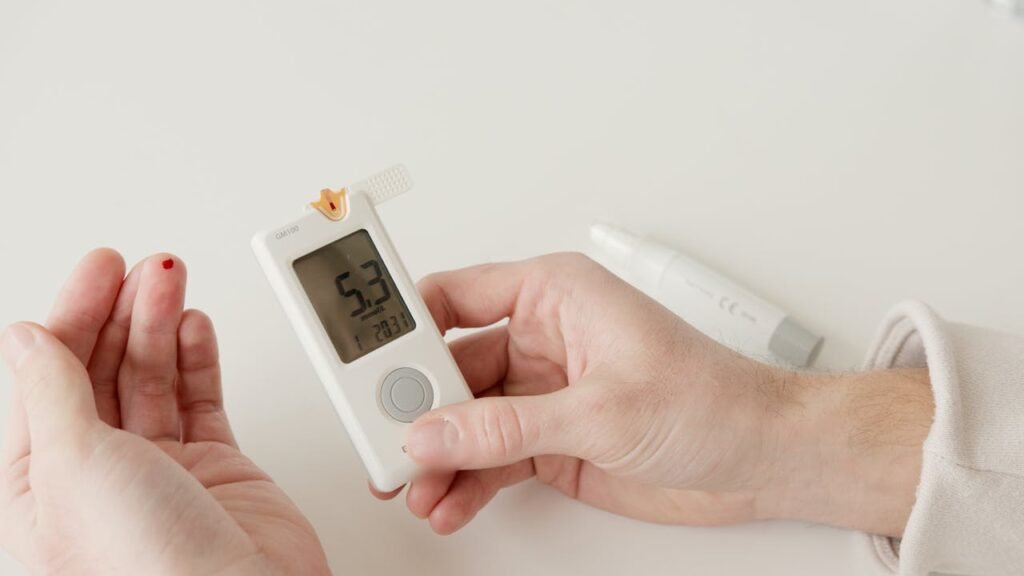
There are three main tests used to diagnose prediabetes. It is crucial to get tested if you have risk factors, even if you are asymptomatic. The American Diabetes Association (ADA) provides the standard criteria for diagnosis.
Below is a breakdown of the diagnostic ranges:
| Test Type | Normal Range | Prediabetes Range | Diabetes Range |
|---|---|---|---|
| A1C Test (Average blood sugar over 2-3 months) | Below 5.7% | 5.7% – 6.4% | 6.5% or higher |
| Fasting Plasma Glucose (FPG) (After fasting for 8 hours) | 99 mg/dL or lower | 100 – 125 mg/dL | 126 mg/dL or higher |
| Oral Glucose Tolerance Test (OGTT) (2 hours after a sugary drink) | 139 mg/dL or lower | 140 – 199 mg/dL | 200 mg/dL or higher |
The Power of Prevention: Reversing the Trend
The most empowering aspect of understanding prediabetes symptoms and prevention is knowing that a diagnosis is not a life sentence; it is a wake-up call. The landmark Diabetes Prevention Program (DPP) research study showed that lifestyle changes can reduce the risk of developing type 2 diabetes by 58% in people with prediabetes.
Here is your roadmap to reversal:
1. Strategic Nutrition
You do not need to cut out all carbohydrates, but you do need to choose them wisely. Focus on complex carbohydrates with a low Glycemic Index (GI).
- Fiber is Key: Aim for 25–30 grams of fiber daily. Fiber slows the absorption of sugar. Good sources include legumes, whole grains, and vegetables.
- The Plate Method: Fill half your plate with non-starchy vegetables (spinach, broccoli), one-quarter with lean protein (chicken, fish, tofu), and one-quarter with carbohydrates.
- Limit Added Sugars: Minimize sugary drinks, which cause rapid insulin spikes. The Harvard T.H. Chan School of Public Health emphasizes that sugary beverages are a primary driver of the obesity and diabetes epidemic.
2. Movement as Medicine
Exercise acts like insulin—it opens up your cells to let glucose in. The World Health Organization (WHO) recommends at least 150 minutes of moderate-intensity aerobic physical activity per week. This breaks down to just 30 minutes a day, five days a week. Activities like brisk walking, swimming, or cycling are excellent starting points.
3. Modest Weight Loss
You don’t need to reach your “ideal” body weight to see massive benefits. Losing just 5% to 7% of your body weight (that’s 10 to 14 pounds for a 200-pound person) can significantly lower your blood sugar levels and improve blood pressure.
4. Sleep and Stress Management
Stress triggers the release of cortisol, a hormone that raises blood sugar. Similarly, chronic lack of sleep disrupts the hormones that regulate hunger and insulin sensitivity. According to the Sleep Foundation, getting 7-9 hours of quality sleep is a critical, yet often overlooked, component of metabolic health.
Why Ignoring It Is Dangerous
Some might be tempted to ignore prediabetes because they don’t “feel sick.” This is a mistake. High blood sugar damages blood vessels and nerves over time. By the time type 2 diabetes is diagnosed, many people already have complications such as early kidney damage or cardiovascular issues. The National Institutes of Health (NIH) warns that prediabetes is also linked to “silent” heart attacks and unrecognized kidney disease.
Conclusion: Take Action Today
Prediabetes is a crossroads. One path leads to chronic illness and a lifetime of medication; the other leads to vitality and health. By understanding prediabetes symptoms and prevention, you have equipped yourself with the knowledge to choose the second path.
If you recognize the symptoms mentioned above or fall into a high-risk category, schedule an appointment with your healthcare provider for a simple blood test. It takes only a few minutes, but it could add healthy years to your life. Don’t wait for symptoms to shout; listen to the whispers of your body today.
Disclaimer: This article is for informational purposes only and does not constitute medical advice. Always consult with a professional healthcare provider for diagnosis and treatment.