Hair loss and thinning locks are concerns that affect millions of people worldwide, often impacting self-esteem and confidence. While the market is flooded with chemical treatments and expensive serums, many are turning back to nature for solutions. Among the most promising natural remedies is the Ginger Scalp Mask, a potent treatment rooted in Ayurvedic and traditional medicine.
This article explores the science behind ginger’s effect on hair follicles, offers practical recipes, and guides you through the safe application of this powerful root for better hair health.
Overview
Ginger (Zingiber officinale) is renowned for its culinary zest and medicinal properties, but its potential benefits extend well beyond the kitchen. The rhizome is packed with vitamins, minerals, and bioactive compounds that may address the underlying causes of hair thinning.
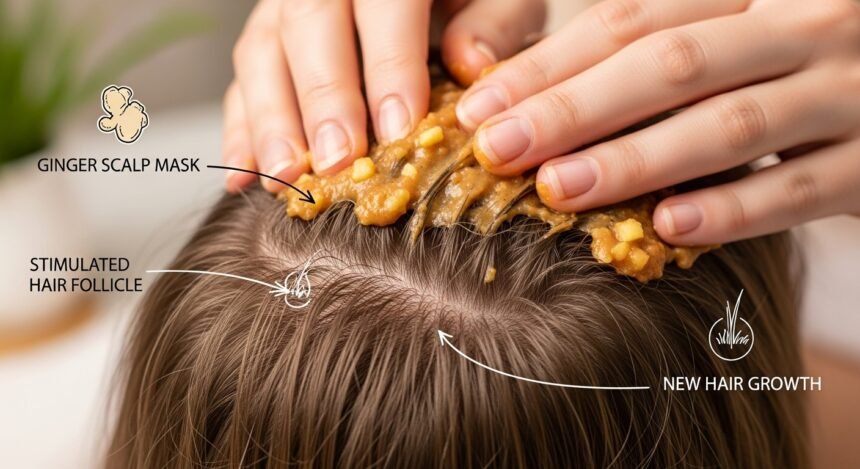
A Ginger Scalp Mask typically involves applying fresh ginger juice, paste, or oil directly to the scalp. The primary goal is to stimulate scalp circulation, ensuring that hair follicles receive the oxygen and nutrients required for robust growth. Furthermore, the antiseptic and anti-inflammatory nature of ginger helps maintain a healthy scalp environment, which is the foundation of healthy hair.
While research is ongoing, anecdotal evidence and preliminary studies suggest that the bioactive compounds in ginger, specifically gingerol and shogaol, play a crucial role in revitalising dormant follicles.
Symptoms and Causes of Poor Hair Health
Before diving into the solution, it is vital to understand the problem. Hair loss and poor hair quality can stem from various factors, ranging from genetics to environmental stressors.
Reduced Blood Flow
One of the primary reasons for hair thinning is inadequate blood flow to the scalp. Blood carries oxygen and nutrients to the hair bulb; without it, the follicle shrinks and eventually stops producing hair. This is where the ability of ginger to stimulate scalp circulation becomes essential.
Scalp Inflammation and Dandruff
Chronic inflammation and fungal infections like dandruff can clog follicles and inhibit growth. An unhealthy scalp often manifests as itchiness, flakiness, or redness. According to the NHS, dandruff is a common condition that can cause the scalp to become dry and itchy, potentially leading to temporary hair shedding if scratched excessively.
Nutritional Deficiencies
Hair requires a steady supply of vitamins for hair loss prevention, such as biotin, Vitamin E, and antioxidants. If your diet lacks these, or if they aren’t reaching the scalp, your hair strands will weaken.
Oxidative Stress
Free radicals can damage the cells responsible for hair growth. Antioxidants for scalp health are necessary to neutralise these free radicals. Ginger is rich in antioxidants that protect the scalp from cellular damage.
Treatment: The Power of the Ginger Scalp Mask
Using ginger topically can be a game-changer for your hair care routine. Here is how it works and how you can make it at home.
The Science: Gingerol for Hair Follicles
The magic of ginger lies in its main bioactive compound, gingerol. Research suggests that gingerol for hair follicles acts as a circulatory stimulant. A study available through the National Center for Biotechnology Information (NCBI) highlights the anti-inflammatory and antioxidant activities of ginger, which are crucial for maintaining tissue health.
However, it is worth noting that whilst some studies suggest ginger promotes growth, others indicate potent ginger extract might inhibit hair growth in certain conditions, similar to the drug minoxidil’s initial shedding phase. Therefore, balance and concentration are key.
Choosing Your Ginger: Fresh vs. Dried
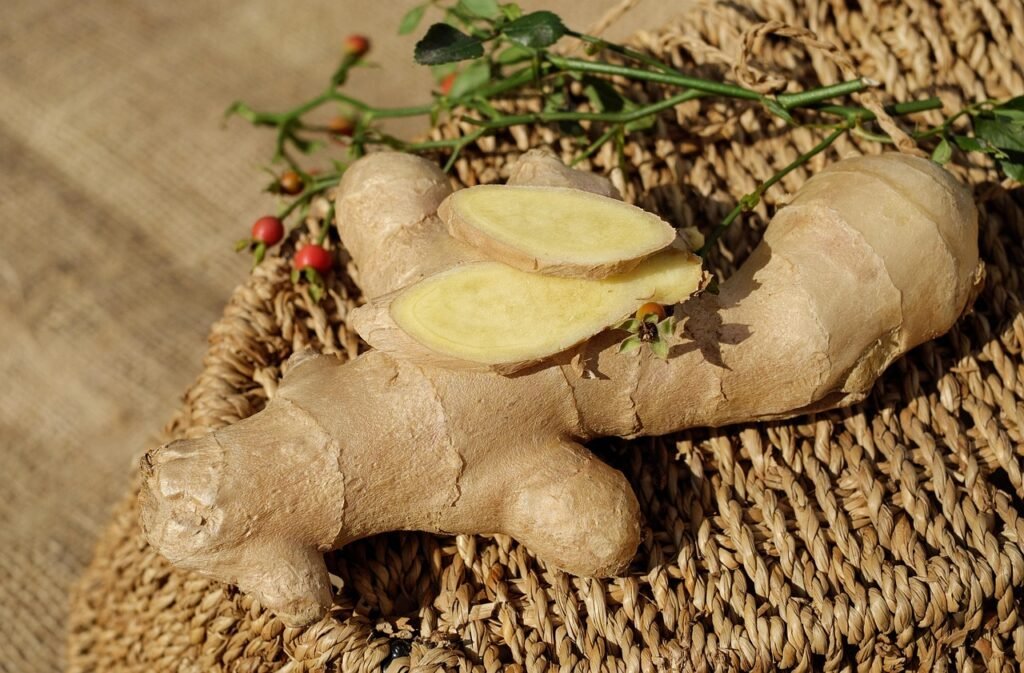
For a scalp mask, the form of ginger you use matters. While powdered ginger is convenient, fresh ginger root usually contains higher levels of active gingerol. If you are unsure about the differences in potency, you might find our article on Dried Ginger vs Fresh: Which is Better for You? helpful. Generally, fresh root is preferred for topical ginger juice application.
If you are an avid gardener, you might even have your own supply. For tips on cultivating this rhizome, read The Ultimate Guide to Ginger Plant Care at Home.
DIY Hair Mask Recipe
Creating a DIY hair mask recipe is simple. You can adjust the ingredients based on your hair type (dry, oily, or normal).
Ingredients:
- 2 tablespoons of fresh ginger juice.
- 3 tablespoons of a carrier oil (coconut, jojoba, or olive oil).
- 1 teaspoon of lemon juice (optional, for dandruff).
Method:
- Extract the Juice: Grate a fresh piece of ginger root and squeeze it through a cheesecloth. If you need detailed instructions on extraction, check out How to Make Ginger Juice for Better Digestion—the process is identical for hair care.
- Mix: Combine the ginger juice with your chosen carrier oil. Using ginger and carrier oils together is crucial because ginger alone can be irritating to sensitive skin.
- Apply: Massage the mixture into your scalp with your fingertips for 5–10 minutes.
- Rest: Leave the mask on for 30 minutes. You may feel a slight warming sensation.
- Wash: Rinse thoroughly and shampoo as usual.
This simple mask acts as a scalp detox treatment, clearing buildup and increasing blood flow.
Advanced Options: Oils and Extracts
For those who find juicing messy, essential oils are an alternative. You can add a few drops of ginger essential oil to your shampoo or mask. For safety guidelines, refer to A Guide to Using Ginger Oil for Aromatherapy.
Additionally, some treatments utilise high-potency extracts. To understand when and how to use these stronger formulations, read Understanding the Uses of Potent Ginger Extract.
Management and Tips for Success
To get the most out of your Ginger Scalp Mask, consistency and safety are paramount.
Fighting Dandruff
Ginger has natural antifungal properties. If you suffer from flakes, this mask serves as a natural remedy for dandruff. The American Academy of Dermatology (AAD) notes that treating scalp conditions is often the first step in reversing hair loss. The antiseptic properties of ginger help cleanse the scalp of yeast and bacteria that contribute to dandruff.
Strengthening the Strands
It isn’t just about the roots; ginger also contains vitamins, minerals, and fatty acids in hair care that can coat the hair shaft. This contributes to hair strand strengthening, preventing breakage and split ends. While the mask is on your scalp, pull the excess oil down to the ends of your hair for deep conditioning.
Safety and Sensitivity
Ginger is potent. A common sensation is a tingling or warming feeling, which indicates increased circulation. However, burning is not normal. Always perform a patch test before applying it to your entire scalp.
For those with sensitive skin, you might want to explore how ginger interacts with the dermis in our guide: The Skin Benefits of Using Natural Ginger Soap.
Complementary Internal Health
Topical treatments work best when supported by internal health. Drinking ginger tea or shots can lower systemic inflammation, which aids hair health.
- Learn about systemic benefits: Are Ginger Shots Actually Good for Your Immunity?
- Find the best ginger variety: Wild Ginger: Safety and Culinary Applications or perhaps Blue Ginger: Identification and Health Benefits.
- Selection tips: Fresh Ginger: Selection, Storage, and Health Uses.
Additional Scientific Context
According to Medical News Today, the antioxidants in ginger can help prevent split ends and improve the overall appearance of hair. Furthermore, ScienceDirect hosts numerous papers detailing the biological activities of ginger compounds, supporting their use in cosmetic formulations.
Experts at the Cleveland Clinic emphasise that while natural remedies can support hair health, sudden or severe hair loss should always be evaluated by a professional to rule out underlying medical conditions. Similarly, the Mayo Clinic advises that nutrition plays a massive role; ensuring you have adequate iron and protein is as important as any topical treatment.
For those looking into thinning hair solutions, combining a ginger mask with scalp massage is highly effective. Massage alone is known to increase hair thickness, as cited by Healthline.
If you are concerned about fungal issues inhibiting growth, PubMed contains studies validating the antifungal efficacy of ginger essential oil against candida and other fungi.
Finally, WebMD suggests that keeping the scalp clean and free of oil buildup—a benefit of the antiseptic properties of ginger—is critical for unobstructed hair growth.
The Bottom Line
The Ginger Scalp Mask is a promising, natural addition to a hair care regimen, particularly for those seeking reducing scalp inflammation and improved circulation. By harnessing the power of gingerol for hair follicles, you may see improvements in hair density and scalp health.
Remember that natural remedies require patience. It may take several weeks of weekly applications to see significant changes. Combine this topical treatment with a balanced diet rich in vitamins for hair loss for the best results. If you experience severe irritation, discontinue use immediately and consult a dermatologist.