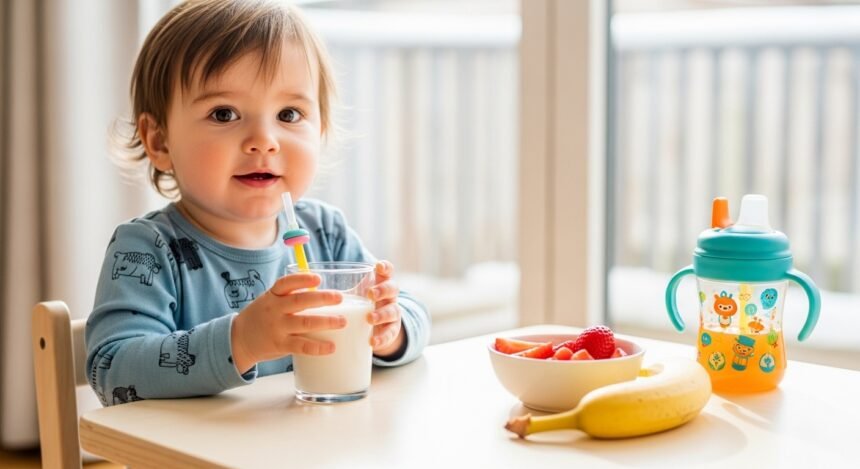
Navigating the world of toddler nutrition can often feel like a minefield. Between worrying about sugar intake and ensuring they get enough calcium, parents are constantly on the lookout for nutrient-dense foods. Enter kefir: a fermented milk drink that has taken the health world by storm. But is kefir for toddlers a safe choice?
If you have been wondering about introducing this tangy, probiotic-rich beverage to your little one’s diet, you are in the right place. This guide explores everything from nutritional benefits and safety precautions to delicious, toddler-approved recipes.
What is Kefir?
Kefir (pronounced kuh-feer) is a fermented drink made from cow’s milk or goat’s milk. It originates from the Caucasus Mountains and is created by adding kefir grains—colonies of yeast and lactic acid bacteria—to milk. These grains ferment the sugars in the milk, resulting in a drink that tastes somewhat like a drinking yoghurt but with a distinct, fizzy tang.
Unlike standard yoghurt, which is fermented with heat and a few specific bacteria strains, kefir ferments at room temperature and contains a much wider diversity of probiotics. This makes it a powerhouse for gut health for children.
The Nutritional Powerhouse
Kefir is packed with essential nutrients that support a growing child’s development:
* Calcium: Vital for building strong bones and teeth.
* Protein: Essential for cell growth and energy.
* Probiotics: Beneficial bacteria that support the immune system.
* B Vitamins: particularly B12 and B2 (riboflavin), which help energy production.
* Vitamin K2: Works alongside calcium to support bone health.
According to Healthline, kefir is a more potent source of probiotics than yoghurt, making it an excellent addition to a balanced diet.
Health Benefits of Kefir for Toddlers
Why should you consider adding this fermented drink to your weekly shop? Here are the primary kefir benefits for children:
1. Supports Digestive Health
The high concentration of probiotics in kefir can help balance the gut microbiome. A healthy gut is crucial for digestion and can help prevent common issues like constipation. Probiotic drinks for toddlers are often recommended after a course of antibiotics to help replenish good bacteria.
2. Boosts the Immune System
Did you know that a significant portion of the immune system resides in the gut? The beneficial bacteria in kefir, such as Lactobacillus kefiri, can inhibit the growth of harmful bacteria like Salmonella and E. coli. Strengthening the gut barrier is a natural way to support your child’s immunity.
3. Improves Bone Density
Calcium rich foods for toddlers are non-negotiable for proper growth. Kefir provides a bioavailable source of calcium and Vitamin K2, which helps the body utilise calcium effectively, ensuring it goes to the bones where it is needed most.
4. May Help with Lactose Intolerance
Many parents worry about lactose intolerance in toddlers. Interestingly, the fermentation process in kefir reduces the lactose content significantly because the bacteria feed on the milk sugars. Research suggests that kefir can improve lactose digestion and tolerance in adults, and anecdotal evidence suggests similar benefits for children.
> Note: Always consult a paediatric dietitian or GP if you suspect your child has a dairy allergy or severe intolerance.
When Can Toddlers Start Drinking Kefir?
A common question parents ask is: when is the best time to give kefir to toddlers?
* 6–12 Months: You can introduce small tastes of kefir as soon as your baby starts solids (around 6 months). However, it should be treated as a food (e.g., mixed into porridge or used as a dip) rather than a main drink. The NHS advises that cows’ milk should not be given as a main drink until 12 months, and this rule generally applies to kefir to ensure they do not fill up on it instead of breastmilk or formula.
12 Months+:** Once your child turns one, *kefir for toddlers age 1 and above can be served as a drink. Start with small amounts (e.g., 50–100ml) to let their tummy adjust.
Kefir vs Yoghurt for Toddlers
While they seem similar, the kefir vs yoghurt for toddlers debate has a clear winner regarding probiotic diversity. Yoghurt is fantastic and often more palatable due to its milder taste and thicker texture (making it easier to spoon-feed). However, kefir usually contains up to 61 strains of bacteria and yeasts, whereas yoghurt typically has far fewer.
For variety, you can alternate between the two. Goat milk kefir for toddlers is another excellent option if your child finds cow’s milk difficult to digest, as goat’s milk has smaller fat globules and a different protein structure.
Safety First: Pasteurized vs Raw
When buying kefir, you might encounter “raw” options.
* Pasteurised Kefir: This is the safest option for young children. The milk is heated to kill harmful pathogens before fermentation.
Raw Kefir: Made from unpasteurised milk. While proponents argue it has more enzymes, it carries a risk of harmful bacteria like *E. coli* or *Listeria.
For toddlers and young children, health authorities, including the Food Standards Agency, generally recommend avoiding raw milk products due to their developing immune systems. Always check the label to ensure the milk used was pasteurised.
How to Introduce Kefir to Your Toddler
The sour taste of kefir can be a surprise for little palates accustomed to the sweetness of breastmilk or formula. Here is how to make introducing kefir to baby or toddler a success:
- Start Small: Mix a teaspoon into their usual yoghurt or porridge.
- Dilute It: Mix it 50/50 with whole milk if the flavour is too strong.
- Sweeten Naturally: Avoid store-bought flavoured kefirs, which are often high in added sugar. Instead, blend plain kefir with fresh fruit.
Easy Kefir Recipes for Toddlers
Here are some simple ways to incorporate fermented foods for kids into their diet.
#### 1. Berry Blast Kefir Smoothie
Kefir smoothie recipes for toddlers are the easiest way to mask the tart flavour.
* Ingredients: 100ml plain kefir, 1/2 banana, handful of frozen berries (strawberries or blueberries).
* Method: Blitz in a blender until smooth. Serve immediately.
#### 2. Tropical Kefir Ice Lollies
Kefir ice lollies are perfect for soothing teething gums or cooling down on a warm day.
* Ingredients: 200ml kefir, 1 ripe mango (peeled and chopped), 1 tsp honey (only for children over 1 year).
* Method: Blend ingredients and pour into lolly moulds. Freeze for 4–6 hours.
#### 3. Savoury Kefir Dip
Great for dipping cucumber sticks or oatcakes.
* Ingredients: 100ml thick kefir (or strained kefir), 1 tsp fresh chives (chopped), pinch of garlic powder.
Method:** Mix well and serve alongside *healthy snacks for 2 year olds.
Homemade Kefir Safety
Making kefir at home is cost-effective, but is homemade kefir safety a concern? Yes, hygiene is paramount.
* Sterilise Equipment: Ensure all jars and spoons are clean.
* Monitor Fermentation: Do not let it ferment for too long, as it can become very acidic or alcoholic (trace amounts).
* Use Pasteurised Milk: As mentioned, avoid raw milk for toddler batches.
If you are unsure, stick to reputable store-bought brands found in the dairy aisle of major UK supermarkets.
Frequently Asked Questions (FAQ)
Is kefir safe for babies under 1 year?
Yes, but only in small amounts mixed into food (like weaning purées or dips) from 6 months onwards. It should not replace breastmilk or formula as their primary drink until they are 12 months old.
Can kefir cause side effects in toddlers?
When first introducing probiotics, some children may experience mild bloating or changes in bowel movements. This is normal as the gut bacteria adjust. Start with a few spoonfuls and increase gradually.
Does kefir contain alcohol?
Traditional fermentation can produce trace amounts of alcohol (usually less than 0.5%, similar to an overripe banana). Commercial kefir sold in supermarkets is strictly regulated and safe for children. If making it at home, keep fermentation times shorter (under 24 hours) to minimise this.
My toddler refuses to drink kefir. What should I do?
Don’t force it. Try blending it into a smoothie with strong flavours like banana and peanut butter, or freeze it into kefir ice lollies. You can also use it in pancake batter, though cooking may kill some of the probiotics.
Is goat milk kefir better than cow milk kefir?
Goat milk kefir for toddlers can be easier to digest for those sensitive to the A1 protein found in most cow’s milk. However, nutritionally, both are excellent sources of calcium and probiotics. Choose the one your child prefers.
External Resources
For more detailed information, please refer to these authoritative sources:
- NHS: What to feed your baby
- British Dietetic Association: Probiotics
- WebMD: Kefir Nutritional Information
- PubMed: Kefir and Health – A Review
- Solid Starts: Kefir for Babies
- BBC Good Food: Health benefits of kefir
- National Institutes of Health (NIH): Probiotics
- Food Standards Agency: Milk and Dairy Hygiene
- ZoE: The benefits of fermented foods
10. Medical News Today: Kefir benefits
11. SR Nutrition: Calcium for children
12. Allergy UK: Milk Allergy vs Intolerance