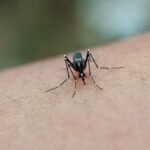
If you have ever planned a trip to a tropical destination, you have likely heard about the risks of Malaria fever. While it remains a significant global health challenge, understanding the risks, symptoms, and prevention strategies can make all the difference in staying safe. This mosquito-borne disease is not just a simple flu; it is a complex condition caused by parasites that require prompt medical attention.
In this guide, we will break down everything you need to know about Malaria fever, from the initial bite to the latest treatment options available today.
What Exactly is Malaria Fever?
Malaria fever is a life-threatening illness transmitted to humans through the bites of infected female Anopheles mosquito. When a mosquito bites a person, it injects Plasmodium parasites into the bloodstream. These parasites travel to the liver, where they mature and eventually infect red blood cells.
According to the World Health Organisation (WHO), there are five parasite species that cause malaria in humans, with Plasmodium falciparum being the most deadly. While the disease is most prevalent in malaria-endemic regions like Sub-Saharan Africa and South Asia, international travel means cases appear globally every year.
The Role of Genetics
Interestingly, some people have a natural, partial protection against the disease. For instance, individuals with the sickle cell trait often exhibit a decreased risk of developing severe Malaria fever, an evolutionary adaptation seen in regions where the disease has been present for centuries.
Recognising the Symptoms
The incubation period for malaria typically ranges from 7 to 30 days, though in some cases, symptoms may not appear for several months. Early symptoms often mimic a common cold or the flu, which is why it is frequently misdiagnosed by those unaware of their exposure risk.
Common signs of Malaria fever include:
- High temperature (fever) and shivering.
- Sweating and chills (the “fever cycle”).
- Headaches and muscle aches.
- Fatigue and general malaise.
- Nausea, vomiting, and diarrhoea.
If left untreated, certain strains can lead to cerebral malaria, a severe complication involving the brain that can result in seizures, coma, or death. If you have recently returned from a high-risk area and feel unwell, seek advice from a travel health clinic or your GP immediately.
How Malaria Fever is Diagnosed
Because symptoms are so varied, doctors rely on clinical tests to confirm a diagnosis. The most common methods used by healthcare professionals include:
- Microscopy: A “blood film” test where a lab technician looks for parasites under a microscope.
- Rapid Diagnostic Test (RDT): A quick blood test that detects specific proteins (antigens) produced by the parasite.
- PCR Tests: Molecular tests used to identify the specific species of parasite, which helps in tailoring the treatment.
You can learn more about the technical aspects of these diagnostics via the London School of Hygiene & Tropical Medicine.
Treatment Options
The good news is that Malaria fever is treatable if caught early. The choice of antimalarial medication depends on several factors, including the type of parasite, the severity of symptoms, and whether the parasite is resistant to certain drugs in that specific geographical region.
Commonly Prescribed Medications
Common treatments include Artemisinin-based Combination Therapies (ACTs), which are highly effective against P. falciparum. Other drugs like Chloroquine or Quinine may be used depending on the clinical scenario. For more detailed clinical guidelines, refer to The BMJ’s infectious disease resources.
It is crucial to complete the entire course of medication, even if you start feeling better, to ensure all parasites are cleared from your system. Failure to do so can lead to a relapse.

Comparing Malaria Parasite Species
Understanding which parasite is involved helps determine the level of urgency and the type of care required. Here is a comparison of the most common types:
| Parasite Species | Severity Level | Geographic Prevalence | Relapse Risk |
|---|---|---|---|
| Plasmodium falciparum | High (Life-threatening) | Africa, Southeast Asia | No |
| Plasmodium vivax | Moderate | Asia, Latin America | Yes (Dormant liver stage) |
| Plasmodium ovale | Low to Moderate | West Africa | Yes (Dormant liver stage) |
| Plasmodium malariae | Low (Chronic) | Global (Rare) | No |
Prevention: How to Stay Safe
Prevention is always better than cure, especially when it comes to Malaria fever. If you are travelling to an area where malaria is common, you should follow the “ABCD” of malaria prevention:
- A: Awareness of risk – Check if your destination is a high-risk zone via the Malaria Atlas Project.
- B: Bite prevention – Use insect repellent containing DEET, wear long sleeves, and sleep under insecticide-treated nets.
- C: Chemoprophylaxis – Take prophylactic drugs (malaria tablets) as prescribed by your doctor.
- D: Diagnosis – Seek immediate medical help if you develop a fever after your trip.
Public health initiatives also utilise indoor residual spraying (IRS) to kill mosquitoes inside homes. Furthermore, the Gavi Vaccine Alliance has been instrumental in rolling out the first malaria vaccines to children in high-risk African nations, marking a historic turning point in the fight against the disease.
For more lifestyle and safety tips during travel, check out the UK Government’s foreign travel advice.
The Future of Malaria Eradication
Organisations like the Bill & Melinda Gates Foundation and PATH are investing heavily in gene-drive technology and next-generation vaccines. While immunity to malaria can be naturally acquired through repeated exposure, it is usually only partial and wanes quickly. This makes the development of a permanent vaccine vital for global eradication.
Research published in The Lancet Infectious Diseases highlights that while progress has been made, climate change and drug resistance are new hurdles that scientists must overcome.
Frequently Asked Questions (FAQs)
Can you get malaria more than once?
Yes. Unlike some viral infections, Malaria fever does not result in lifelong immunity. While people living in high-transmission areas may develop some immunity to malaria that reduces the severity of symptoms, they can still be reinfected multiple times.
Are malaria tablets 100% effective?
No medication is 100% effective. However, taking prophylactic drugs correctly significantly reduces your risk of falling ill. It is still essential to use insecticide-treated nets and repellent even if you are taking tablets. For more information, consult CDC travel guidelines.
Is there a vaccine for Malaria fever?
Yes, the WHO has recommended the use of the RTS,S and R21 vaccines, primarily for children living in regions with moderate to high P. falciparum malaria transmission. Research into these vaccines is ongoing at institutions like the University of Oxford.
How long does the fever last?
Without treatment, the fever associated with malaria can last for weeks and may recur in cycles. With appropriate antimalarial medication, the fever usually begins to subside within 48 to 72 hours. To track global research on recovery times, visit the Malaria Journal.