If you have ever experienced a sudden, uncontrollable bout of shivering followed by a soaring temperature, you know how alarming it can feel. While many conditions cause “the shakes,” malaria chills are a distinct and hallmark sign of a parasitic infection that requires immediate attention. Often referred to as rigors, these episodes are not just a side effect of feeling cold; they are a sign of your immune system reacting to a complex biological battle happening within your veins.
Whether you have recently returned from travelling abroad or are simply curious about tropical diseases, understanding how these chills function can be life-saving. In this guide, we will explore why malaria causes such intense shivering, how to distinguish it from the common flu, and the steps you must take to recover.
What Exactly Are Malaria Chills?
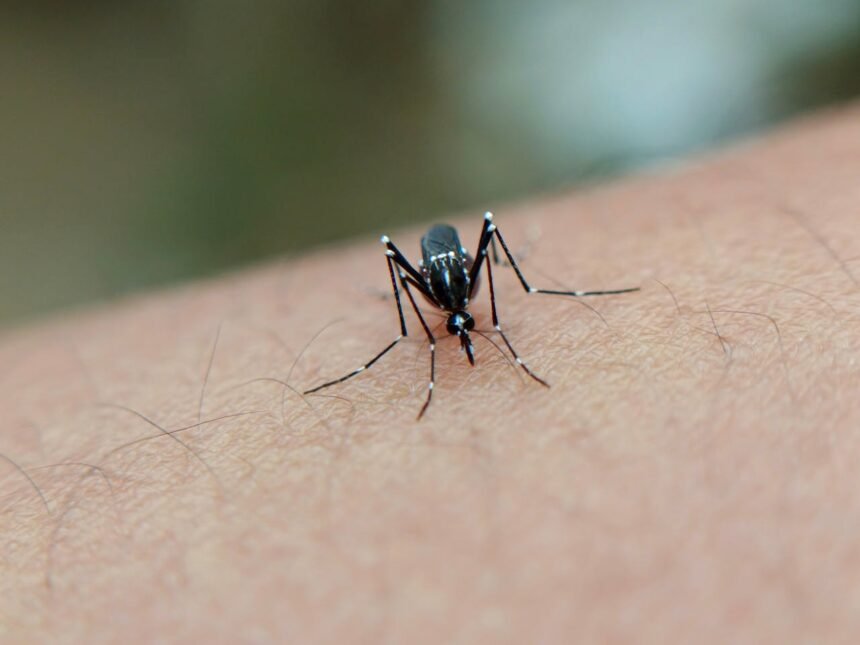
At the heart of the infection is the Plasmodium parasite, which is transmitted to humans through the bite of an infected female Anopheles mosquito. Once the parasite enters your bloodstream, it migrates to the liver and eventually begins to invade your red blood cells. According to the NHS, the cycles of chills and fever correspond directly to the parasite’s life cycle.
When the parasites have multiplied enough, they cause the red blood cells to burst simultaneously. This release of parasites and toxins into the blood triggers a massive inflammatory response. Your brain’s hypothalamus—the body’s thermostat—resets your “ideal” temperature to a much higher level. Your body then tries to reach this new, high temperature by shivering violently to generate heat. This is the origin of the intense malaria chills.
The Classic “Malaria Paroxysm”
Malaria symptoms often occur in cycles known as “paroxysms.” These cycles can last between 6 to 10 hours and typically follow three distinct stages, as documented by the CDC:
- The Cold Stage: This is the onset of intense malaria chills. You may experience shivering, teeth chattering, and a feeling of extreme cold that blankets cannot fix.
- The Hot Stage: As the fever spike reaches its peak (sometimes as high as 41°C), the shivering stops. You may experience headaches, vomiting, and intense heat.
- The Sweating Stage: Your temperature begins to drop rapidly, and you may sweat profusely, leaving you feeling exhausted and weak.
Comparing Malaria Chills with Common Flu Symptoms
Because malaria often presents with flu-like symptoms, many people delay seeking diagnostic testing. The following table highlights the key differences to help you identify when a situation might be serious.
| Feature | Common Flu | Malaria |
|---|---|---|
| Chills Intensity | Moderate shivering. | Violent, uncontrollable rigors. |
| Fever Pattern | Persistent or gradual. | Cyclical (comes and goes in peaks). |
| Travel History | Usually local exposure. | Recent visit to high-risk areas. |
| Muscle Pain | Generalised aches. | Deep joint and muscle pain. |
How Long is the Incubation Period?
One of the most dangerous aspects of malaria is that you won’t feel ill immediately after being bitten. The incubation period typically ranges from 7 to 30 days, but in some cases, symptoms may not appear for months. If you have visited a region where malaria is endemic, any fever or chill should be treated as a potential emergency, as noted by the World Health Organization.
Early symptoms to watch for include:
- Severe headache and fatigue.
- Nausea and abdominal pain.
- Dry cough.
- Sensation of cold despite a warm environment.
Diagnosis and Essential Treatment
If you suspect your chills are malaria-related, you must seek medical advice immediately. Doctors utilise a rapid diagnostic test (RDT) or a blood smear under a microscope to confirm the presence of the parasite. Research from the London School of Hygiene & Tropical Medicine emphasises that early diagnosis is the most critical factor in preventing severe malaria.
Treatment typically involves specific antimalarial medication tailored to the type of parasite you have and the area where you were infected. According to the Mayo Clinic, prompt treatment usually leads to a full recovery, but delays can lead to complications like organ failure or cerebral malaria.
Proactive Prevention and Prophylaxis
The best way to manage malaria chills is to prevent the infection entirely. If you are planning a trip, consult a travel clinic about prophylaxis—medication taken before, during, and after your journey to kill the parasite before it causes illness. You can find specific country advice on Travel Health Pro.
In addition to medication, you should utilise the “ABCD” of malaria prevention:
- Awareness: Know the risk of the area you are visiting.
- Bite prevention: Use insect repellent (DEET) and wear long sleeves.
- Chemoprophylaxis: Take your prescribed antimalarial tablets correctly.
- Diagnosis: Seek help immediately if you develop a fever.
Organisations like the Red Cross also stress the importance of using insecticide-treated mosquito nets while sleeping in high-risk zones.
The Road to Recovery
Recovering from malaria takes time and rest. Even after the malaria chills subside, you may feel fatigued for several weeks. It is vital to finish the entire course of your medication to ensure no parasites remain in your system. As highlighted by the Medicines for Malaria Venture, incomplete treatment can lead to a relapse or contribute to drug resistance.
During recovery, focus on:
- Hydration: High fevers and sweating lead to rapid fluid loss. Follow Healthline’s advice on staying hydrated during a fever.
- Monitoring: Watch for any returning symptoms or signs of jaundice (yellowing of the skin).
- Nutrition: Eat light, nutrient-dense meals to help your body repair red blood cells.
Frequently Asked Questions (FAQs)
Are malaria chills different from regular shivering?
Yes. While regular shivering happens when you are cold, malaria chills (rigors) are often much more violent. They occur even in hot climates and are typically followed by a very high fever and then profuse sweating. This cyclical “hot and cold” pattern is a hallmark of the disease.
How long do the chills usually last?
The “cold stage” of a malaria paroxysm, which includes the most intense shivering, usually lasts between 15 minutes and one hour. However, the entire cycle of fever and sweating can last several hours and may repeat every 48 to 72 hours depending on the parasite species.
Can you have malaria without the chills?
While malaria chills are very common, they aren’t universal. Some people, especially those with partial immunity or those taking partial prophylaxis, may only experience a low-grade fever, headache, or general malaise. Any unexplained fever after travel should be tested. You can read more about varied presentations in the British Medical Journal.
Is there a vaccine for malaria?
Yes, breakthroughs in recent years have led to the implementation of malaria vaccines in several African nations. According to Gavi, the Vaccine Alliance, these vaccines are a major step forward, though travellers still need to rely on tablets and bite prevention for the time being. Ongoing research into parasite behaviour continues at institutions like Oxford University and in journals like Nature and The Lancet.
Note: If you are experiencing sudden malaria chills or fever after visiting a tropical region, do not wait. Contact your local emergency services or a specialist in infectious diseases immediately. For more information on fever management, visit WebMD.