If you have recently returned from a sun-soaked trip abroad and have started feeling a persistent, throbbing pain in your temples, you might be wondering if it is more than just travel fatigue. A malaria headache is often one of the first warning signs of this serious mosquito-borne disease. While headaches are common, understanding the specific characteristics of one caused by malaria can be life-saving.
At Healthline, we believe in empowering you with the facts. In this guide, we will explore why malaria causes such intense head pain, how to distinguish it from a standard migraine, and what steps you should take to ensure a full recovery.
What is a Malaria Headache?
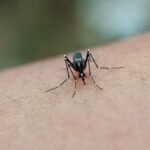
A malaria headache is a neurological symptom resulting from an infection by Plasmodium parasites, transmitted through the bite of an infected female Anopheles mosquito. Unlike a typical tension headache, this pain is often described as “bursting” or “splitting” and is frequently accompanied by flu-like symptoms.
The headache occurs because the body’s immune system releases inflammatory chemicals (cytokines) to fight the infection. These chemicals can cause blood vessels in the brain to dilate, leading to intense pressure. In some cases, particularly with Plasmodium falciparum, the parasites can cause red blood cells to stick to the walls of small blood vessels, further increasing intracranial pressure.
Signs and Symptoms to Watch For
A malaria headache rarely travels alone. It usually appears alongside a cluster of other symptoms that indicate a systemic tropical medicine concern. Because the incubation period can range from seven days to several months, you may not immediately link your symptoms to your recent travels.
Common accompanying symptoms include:
- High fever: Spikes in temperature that may come and go in cycles.
- Chills and rigors: Uncontrollable shivering followed by intense sweating.
- Muscle aches: Generalised soreness throughout the body.
- Nausea and vomiting: Digestive upset is very common.
- Fatigue: A profound sense of exhaustion and weakness.
Comparing Headache Types
It can be difficult to tell the difference between a migraine and a malaria headache. Use the table below to help identify the likely cause of your discomfort.
| Feature | Malaria Headache | Tension Headache | Migraine |
|---|---|---|---|
| Pain Location | Entire head (generalised) | “Band” around the head | Usually one side |
| Pain Quality | Throbbing, intense | Dull, steady ache | Pulsating |
| Fever Present? | Yes, usually very high | No | Rarely |
| Travel History | Often high-risk areas | Irrelevant | Irrelevant |
Diagnosis and Medical Tests
If you suspect your pain is a malaria headache, you must seek medical attention immediately. Doctors at the Johns Hopkins Medicine centre emphasise that early diagnosis is key to preventing complications like cerebral malaria.
Medical professionals typically use the following methods to confirm infection:
- Rapid Diagnostic Test (RDT): A quick blood test that detects specific malaria antigens.
- Blood Film: Examining a drop of blood under a microscope to identify the type of parasite.
- PCR Tests: A highly accurate molecular test used to detect low levels of parasites.
How to Treat a Malaria Headache
The primary goal in treating a malaria headache is to eliminate the underlying infection. Once the parasites are cleared from your bloodstream, the headache should subside naturally. In modern clinical practice, Artemisinin-based combination therapy (ACT) is the gold standard for treatment, especially for cases originating in Sub-Saharan Africa.
To manage the pain in the meantime, you can utilise several strategies:
- Antimalarial medication: Follow your doctor’s prescription precisely to kill the parasites.
- Pain relief: Over-the-counter paracetamol can help lower a high fever and ease head pain. Avoid aspirin unless specifically directed by a doctor.
- Hydration: Drink plenty of fluids to combat dehydration caused by sweating and vomiting.
- Rest: Allow your body time to recover in a cool, dark room.

Prevention: Staying Safe on Your Travels
Preventing a malaria headache starts before you even board your flight. If you are travelling to an endemic region, consult a travel clinic about prophylactic drugs. These medications, such as Atovaquone/Proguanil or Doxycycline, significantly reduce your risk of falling ill.
Other essential preventative measures include:
- Using insect repellent containing DEET on exposed skin.
- Sleeping under insecticide-treated mosquito nets.
- Wearing long-sleeved clothing and trousers in the evenings.
- Closing windows and doors at sunset.
For more detailed advice on choosing the right antimalarial medication, speak with your GP or a pharmacist at least six weeks before you depart.
When Is it an Emergency?
A headache can sometimes signal severe malaria, which requires urgent hospitalisation. If the headache is accompanied by confusion, seizures, or a loss of consciousness, seek emergency care immediately. This could indicate cerebral malaria, a condition where the brain’s small vessels become blocked, potentially leading to permanent damage or death.
Always inform medical staff of your travel history, even if you took your pills religiously. No malaria prevention method is 100% effective.
Frequently Asked Questions (FAQs)
Can a malaria headache last for weeks?
Usually, the headache lasts as long as the active infection is present. With proper treatment, symptoms typically improve within 48 to 72 hours. If a headache persists for weeks after treatment, you should consult your doctor to rule out other complications or “post-malaria neurological syndrome.”
Is the headache always the first symptom?
Not necessarily. While many people experience a malaria headache early on, others might first notice extreme tiredness, a dry cough, or a sudden fever. The order of symptoms can vary depending on the individual and the specific Plasmodium species involved.
Can I take Ibuprofen for a malaria headache?
While paracetamol is generally preferred, Ibuprofen can be used to reduce inflammation. However, you must ensure you do not have a low platelet count (thrombocytopenia), which is common in malaria patients, as Ibuprofen can increase the risk of bleeding. Always check with a healthcare professional first.
Does malaria always cause a fever?
In almost all cases, yes. The hallmark of malaria is a cyclic fever. If you have a severe headache but have never had a fever during your illness, the cause may be something other than malaria, though diagnostic testing is still recommended if you have travelled to a high-risk area.