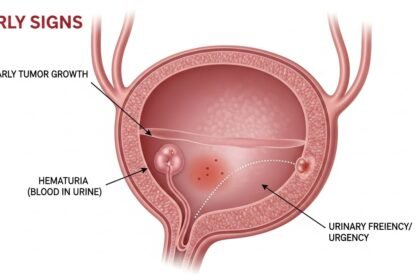
Men traditionally approach healthcare reactively rather than preventively, often delaying medical attention until symptoms become severe. This approach contributes to higher rates of preventable diseases and shorter life expectancy compared to women. Understanding essential health screenings and embracing proactive healthcare can dramatically improve long-term health outcomes whilst catching potential problems early when treatment proves most effective.
The Importance of Preventative Healthcare for Men
Statistical evidence reveals concerning patterns in men’s health behaviours. Men visit healthcare providers significantly less frequently than women and are more likely to postpone or avoid recommended screenings. This reluctance stems from various factors including perceived invulnerability, work pressures, fear of procedures, and societal expectations of masculine stoicism.
Preventative screenings serve as powerful tools for early disease detection, enabling intervention before conditions progress to advanced stages. Many serious health conditions, including cardiovascular disease, diabetes, and certain cancers, develop silently without obvious symptoms during early phases.
Regular health screenings also establish baseline values for important health markers, allowing healthcare providers to identify concerning trends before clinical disease manifests. This proactive approach enables lifestyle modifications and early treatments that can prevent or delay serious complications.
Essential Screenings for Young Adults (18-39)
Blood Pressure Monitoring
Hypertension affects one in three men and represents a major risk factor for heart disease, stroke, and kidney damage. High blood pressure typically develops without symptoms, earning its designation as the “silent killer.” Blood pressure screening should begin by age 18 and continue annually if readings remain normal.
Normal blood pressure measures less than 120/80 mmHg, whilst elevated readings between 120-129 systolic indicate prehypertension requiring lifestyle intervention. Consistently elevated readings above 130/80 mmHg warrant medical evaluation and potential treatment to reduce cardiovascular risk.
Cholesterol Assessment
Cholesterol screening helps identify cardiovascular disease risk before symptoms develop. Total cholesterol, LDL, HDL, and triglyceride levels provide comprehensive lipid profile assessment that guides prevention strategies. Men should begin cholesterol screening by age 20, with frequency determined by initial results and risk factors.
Optimal cholesterol levels include total cholesterol below 200 mg/dL, LDL below 100 mg/dL, HDL above 40 mg/dL, and triglycerides below 150 mg/dL. Abnormal results may indicate need for dietary changes, exercise programmes, or medication to reduce heart disease risk.
Testicular Health Awareness
Testicular cancer represents the most common cancer in men aged 15-35, making self-examination and awareness crucial during young adulthood. Monthly self-examinations help identify changes in size, shape, or consistency that warrant professional evaluation.
Healthcare providers should perform testicular examinations during routine visits, particularly for men with risk factors including undescended testicles, family history, or previous testicular cancer. Early detection dramatically improves treatment outcomes for testicular malignancies.
Mental Health Screening
Depression and anxiety affect millions of men but often remain undiagnosed due to stigma and reluctance to discuss emotional concerns. Regular mental health screening during routine visits can identify symptoms that benefit from professional intervention.
Men may express depression differently than women, showing increased irritability, anger, or risk-taking behaviours rather than traditional sadness. Understanding these varied presentations helps healthcare providers identify mental health concerns requiring treatment.
Mid-Life Screenings (40-64)
Cardiovascular Risk Assessment
Heart disease represents the leading cause of death among men, making cardiovascular screening increasingly important during middle age. Comprehensive risk assessment includes blood pressure monitoring, lipid profiles, diabetes screening, and lifestyle evaluation to determine overall cardiovascular risk.
Electrocardiograms (ECGs) may be recommended for men with risk factors or symptoms, providing baseline cardiac rhythm assessment. Exercise stress tests can evaluate cardiac function under exertion, identifying coronary artery disease before symptoms develop.
Diabetes Screening
Type 2 diabetes affects over 11% of men and significantly increases cardiovascular disease, kidney disease, and other serious complications. Diabetes screening should begin by age 45 or earlier for men with risk factors including obesity, family history, or sedentary lifestyle.
Screening tests include fasting glucose, haemoglobin A1C, or oral glucose tolerance tests. Early identification enables lifestyle interventions that can prevent progression to diabetes or delay complications in diagnosed individuals.
Prostate Health Evaluation
Prostate cancer represents the second most common cancer in men, making screening discussions important beginning around age 50. Prostate-specific antigen (PSA) testing and digital rectal examinations (DRE) comprise standard screening approaches, though individual risk factors may warrant earlier evaluation.
Screening recommendations remain controversial due to potential overdiagnosis and treatment complications. Men should discuss benefits, risks, and personal preferences with healthcare providers to make informed screening decisions based on individual circumstances.
Colorectal Cancer Screening
Colorectal cancer screening should begin at age 45 for average-risk men, with earlier screening for those with family history or other risk factors. Multiple screening options exist, including colonoscopy, flexible sigmoidoscopy, stool-based tests, and virtual colonoscopy.
Colonoscopy remains the gold standard, allowing both detection and removal of precancerous polyps during a single procedure. Alternative screening methods may suit men who decline colonoscopy, though positive results require follow-up colonoscopy for definitive evaluation.

Senior Health Priorities (65+)
Enhanced Cardiovascular Monitoring
Cardiovascular disease risk increases substantially with age, making regular monitoring essential for senior men. Annual blood pressure checks, lipid profiles, and diabetes screening help identify treatable conditions that significantly impact longevity and quality of life.
Additional cardiac assessments may include echocardiograms, stress tests, or cardiac imaging for men with symptoms or multiple risk factors. Early detection enables interventions that can prevent heart attacks, strokes, and other serious complications.
Bone Health Assessment
Osteoporosis affects approximately 16% of men over 50, making bone density screening important for fracture prevention. Dual-energy X-ray absorptiometry (DEXA) scans measure bone density at spine and hip locations most vulnerable to fractures.
Risk factors for male osteoporosis include advanced age, low testosterone, corticosteroid use, smoking, and sedentary lifestyle. Early identification enables treatments that can strengthen bones and reduce fracture risk significantly.
Cognitive Function Evaluation
Cognitive decline and dementia increasingly affect older men, making baseline cognitive assessment valuable for detecting early changes. Regular cognitive screening helps differentiate normal aging from pathological changes requiring intervention.
Simple cognitive tests during routine visits can identify concerning patterns that warrant more comprehensive neuropsychological evaluation. Early detection enables planning and potential treatments that may slow progression or improve quality of life.
Vision and Hearing Assessment
Sensory impairments significantly impact quality of life and safety in older adults. Regular vision screening detects glaucoma, cataracts, macular degeneration, and other age-related conditions that benefit from early treatment.
Hearing assessments identify hearing loss that affects communication, social interaction, and cognitive function. Modern hearing aids and assistive technologies can dramatically improve quality of life when hearing impairment is addressed promptly.
Lifestyle-Related Screenings
Substance Use Assessment
Alcohol and tobacco use significantly impact health outcomes across all age groups. Regular screening for substance use enables early intervention for problematic patterns before serious health consequences develop.
Healthcare providers should assess alcohol consumption patterns, smoking status, and other substance use during routine visits. Resources for cessation and treatment should be readily available for men ready to make positive changes.
Skin Cancer Screening
Skin cancer, including dangerous melanoma, affects men at higher rates than women. Regular skin examinations by healthcare providers, combined with self-examinations, help identify suspicious lesions requiring evaluation.
Men with significant sun exposure, fair skin, family history, or multiple moles may benefit from annual dermatological examinations. Early detection dramatically improves outcomes for all skin cancer types.
Creating a Personal Screening Schedule
Developing personalised screening schedules requires consideration of age, family history, lifestyle factors, and individual risk profiles. Healthcare providers can help prioritise screenings based on evidence-based guidelines whilst accommodating individual preferences and circumstances.
Regular healthcare partnerships enable continuity of care that supports long-term health monitoring and prevention strategies. Building relationships with trusted providers encourages ongoing engagement with preventative healthcare.
Overcoming Barriers to Screening
Common barriers to male healthcare engagement include time constraints, cost concerns, fear of procedures, and lack of symptoms. Understanding these obstacles helps develop strategies for overcoming resistance to preventative care.
Workplace health programmes, convenient scheduling options, and clear communication about screening benefits can improve male participation rates. Family involvement and peer support also encourage proactive healthcare engagement.
Technology and Screening Innovation
Modern screening technologies continue improving accuracy, convenience, and patient comfort. Advanced imaging techniques, minimally invasive procedures, and home-based screening options reduce barriers whilst maintaining clinical effectiveness.
Telemedicine consultations can provide convenient access to healthcare providers for screening discussions, follow-up appointments, and results interpretation. These technologies particularly benefit men with demanding schedules or transportation challenges.
The Investment in Long-Term Health
Preventative screenings represent investments in long-term health, family wellbeing, and quality of life. Early detection and intervention typically cost far less than treating advanced diseases whilst preserving function and independence.
Men who embrace proactive healthcare demonstrate lower rates of preventable diseases, better treatment outcomes, and enhanced longevity. This approach benefits not only individual health but also family stability and community wellbeing.
The path toward optimal male health begins with recognising the value of preventative care and committing to regular screening schedules appropriate for individual risk profiles. Through partnership with healthcare providers and attention to evidence-based recommendations, men can take control of their health destinies whilst enjoying longer, healthier, and more fulfilling lives.