If you are looking for a simple way to transform your home-cooked meals from basic to gourmet, look no further than miso butter. Often described as a “flavour bomb,” this two-ingredient wonder combines the creamy, comforting nature of high-quality butter with the deep, umami richness of fermented soybean paste.
While it may sound like a complex Asian-fusion cuisine staple, it is incredibly easy to prepare in your own kitchen. Whether you are spreading it on a warm slice of sourdough spread or using it as a decadent steak topping, this versatile condiment is about to become your new culinary obsession. In this guide, we will explore the health benefits, different varieties, and how you can utilise this mixture to elevate your daily diet.
What Exactly Is Miso Butter?
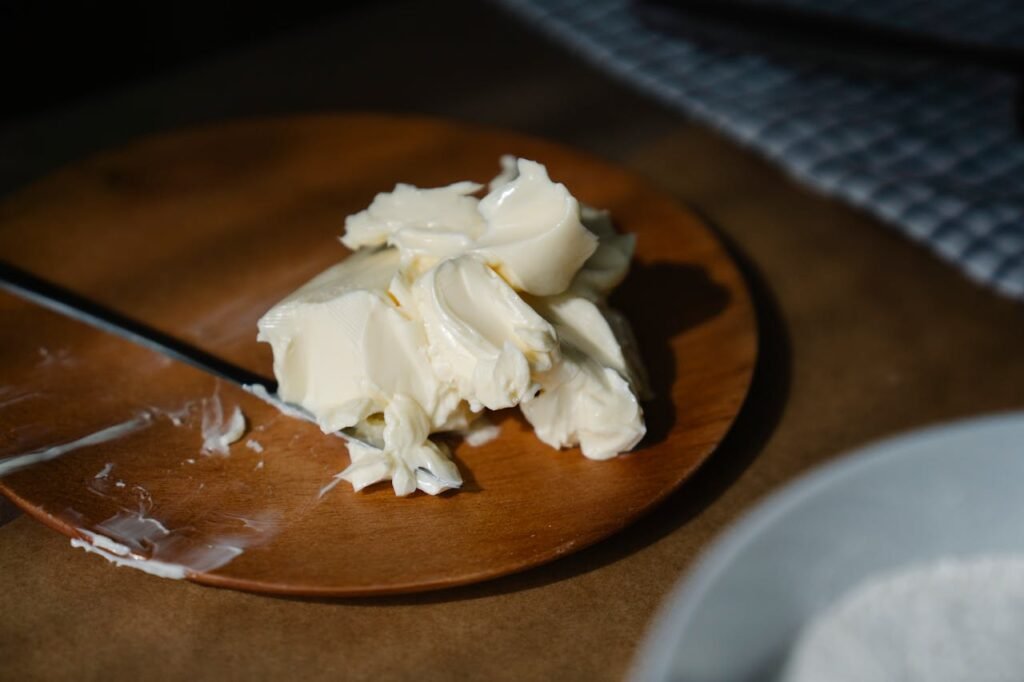
At its core, miso butter is a type of compound butter. It involves whipping softened salted butter (or unsalted, depending on your preference) with miso paste until the texture is smooth and the colours are perfectly integrated. Miso itself is a traditional Japanese seasoning produced by fermenting soybeans with salt and koji (the fungus Aspergillus oryzae).
According to the BBC, fermented foods play a vital role in global food cultures. When combined with dairy, the saltiness of the miso enhances the fat in the butter, creating a savory profile that hits every taste bud. It is a brilliant example of how culinary versatility can simplify meal preparation without sacrificing depth of flavour.
The Science of Umami
Umami is known as the “fifth taste,” alongside sweet, sour, bitter, and salty. Miso is packed with glutamates, which are responsible for that lingering, mouth-watering sensation. Research published via EatRight suggests that umami can even help improve appetite and satiety, making your meals feel more satisfying.
Health Benefits: More Than Just Flavour
While butter is often scrutinised for its saturated fat content, incorporating fermented miso brings several gut health benefits to the table. Because miso is one of the most popular probiotic foods, it contains live beneficial bacteria that support a healthy microbiome.
- Digestive Support: The Lactobacillus strains found in fermented soy may aid in smoother digestion. Experts at Johns Hopkins Medicine emphasise that a diverse gut microbiome is key to overall wellness.
- Essential Nutrients: Miso contains vitamin K, manganese, and zinc.
- Heart Health: Interestingly, despite its salt content, some studies suggest miso may not affect blood pressure in the same way as pure table salt. Research found on PubMed indicates that the fermentation process may mitigate some of the hypertensive effects of sodium.
However, it is still important to monitor your overall sodium intake. The World Health Organisation recommends limiting salt to less than 5g per day to reduce the risk of cardiovascular issues.
Choosing Your Miso: White vs Red
The type of miso you choose will drastically change the outcome of your miso butter. Miso is generally categorised by its colour and fermentation time.
White Miso (Shiro Miso)
White miso is fermented for a shorter period and usually contains more rice or barley. It has a mild, slightly sweet flavour. This is the best choice for beginners or for use in delicate dishes like seafood or as a breakfast spread.
Red Miso (Aka Miso)
Red miso is fermented for much longer, resulting in a deeper, saltier, and more pungent taste. It is excellent for hearty dishes, such as roasted meats or robust roasted vegetables.
| Feature | White Miso (Shiro) | Red Miso (Aka) |
|---|---|---|
| Fermentation Time | Short (weeks to months) | Long (up to years) |
| Flavour Profile | Sweet, mellow, light | Salty, intense, earthy |
| Best For | Dressings, fish, toast | Stews, steaks, marinades |
| Sodium Content | Lower | Higher |
How to Make Miso Butter at Home
Creating this vegetarian seasoning powerhouse requires very little effort. Follow these steps for the perfect blend:
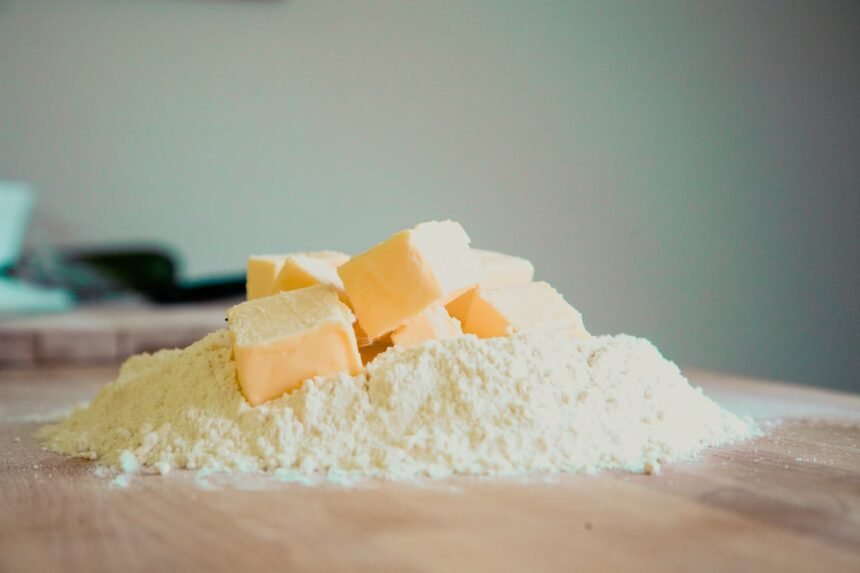
- Soften the butter: Leave your butter at room temperature until it is pliable. Do not melt it in the microwave, as this will change the emulsion.
- The Ratio: Use a 2:1 ratio (two parts butter to one part miso). If you prefer a subtler taste, start with a 3:1 ratio.
- Mix: Use a fork or a small whisk to combine the two ingredients in a bowl until no streaks of miso remain.
- Storage: Roll the mixture into a log using parchment paper or store it in a clean glass jar in the fridge.
For those mindful of their fat intake, the British Nutrition Foundation provides excellent resources on balancing fats within a healthy diet.
Creative Ways to Use Miso Butter
The culinary versatility of this spread is truly unmatched. Here are some of our favourite ways to enjoy it:
- Over Corn on the Cob: The sweetness of the corn pairs beautifully with the salty miso.
- Melted into Pasta: Toss it with spaghetti and a splash of pasta water for an instant sauce.
- Glazing Salmon: Brush it over fish during the last few minutes of cooking.
- Enhancing Steamed Greens: Add a dollop to broccoli or kale to make roasted vegetables taste like a restaurant-side dish.
- Popcorn Topping: Melt it and drizzle over popcorn for a sophisticated snack.
For more inspiration on healthy cooking techniques, check out the NHS guide to digestive health.
A Note on Quality Ingredients
Since this recipe only has two main components, quality matters. Opt for organic, non-GMO miso pastes where possible. Research on Oxford Academic suggests that high-quality soy products may offer protective benefits against certain chronic diseases. Similarly, choosing grass-fed butter can provide higher levels of Omega-3 fatty acids, according to data from the Mayo Clinic regarding heart-healthy choices.
Maintaining a healthy gut health benefits profile involves more than just one food; it’s about a lifestyle of varied, nutrient-dense choices. You can read more about the impact of diet on the microbiome at Nature.com.
Frequently Asked Questions (FAQs)
Can I make miso butter vegan?
Absolutely. You can substitute dairy butter with a high-quality plant-based butter alternative. The fermented soybean paste provides so much flavour that you will hardly notice the difference. Many vegan butters are now formulated to mimic the melting point of dairy, making them perfect for this recipe.
How long does it keep in the fridge?
Because miso is fermented and salty, it acts as a natural preservative. Your butter will typically stay fresh in the refrigerator for up to two weeks. For longer storage, you can freeze it in an airtight container for up to three months. Check Cleveland Clinic for general food safety and storage tips.
Is it safe for people with soy allergies?
No. Traditional miso is made from soybeans. If you have a soy allergy, you should look for chickpea-based miso or adzuki bean miso, which are becoming more widely available in health food stores. Always consult with a medical professional if you have severe allergies, as highlighted by National Institutes of Health research.
Does miso butter lose its probiotic benefits when heated?
Yes, high heat can kill the live cultures in miso. To preserve the probiotic foods benefits, it is best to stir the butter into your dish at the very end of the cooking process rather than boiling it. Science on the heat sensitivity of probiotics can be further explored at ScienceDirect.
Which miso is best for a steak topping?
For a steak topping, we recommend red miso. Its robust, smoky notes stand up well against the rich flavour of beef. If you prefer something lighter, a mix of both white and red (known as Awase miso) offers a perfect balance. For more on the bioactive compounds in miso, see this study from MDPI.
In conclusion, miso butter is a simple yet transformative addition to any kitchen. By combining the science of fermentation with the comfort of dairy, you create a condiment that is as nutritious as it is delicious. Start with a small batch today and discover why this “umami gold” is a favourite among professional chefs and health enthusiasts alike.