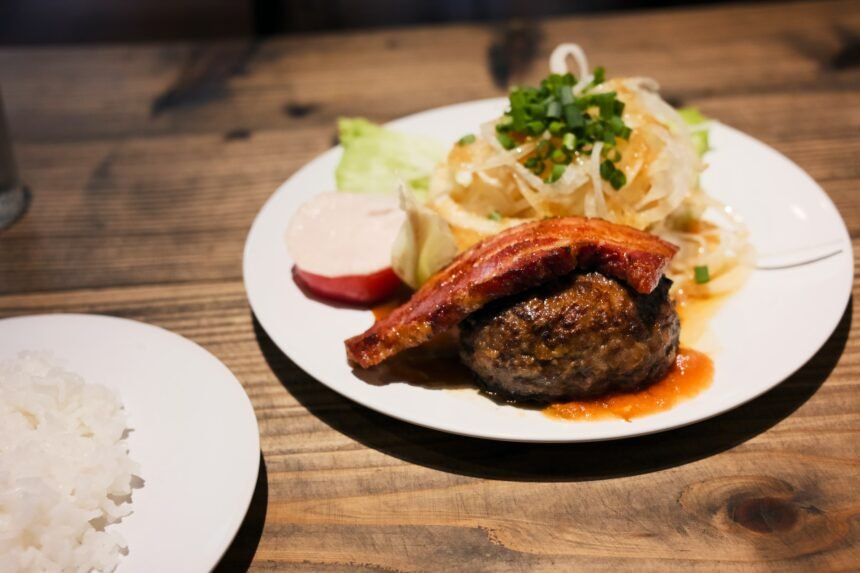
If you are looking for a way to elevate your vegetable game, daikon steak might just be the revelation your kitchen needs. Often overlooked in the Western produce aisle, this thick, white Japanese radish transforms into a tender, juicy, and deeply satisfying main course when prepared correctly. Whether you are a dedicated vegan or simply looking to reduce your meat intake, this dish offers a unique texture and a rich umami flavour that rivals traditional steaks.
In this guide, we will explore why daikon steak is becoming a staple in modern plant-based recipes, its impressive nutritional profile, and how you can master the perfect sear at home.
What is Daikon Steak?
Daikon, also known as winter radish or mooli, is a root vegetable common in East Asian cuisine. When cut into thick rounds, parboiled, and then pan-fried, it takes on a “steaky” consistency. The process of caramelising the natural sugars in the radish, often finished with a savoury soy sauce glaze, creates a dish that is both sophisticated and comforting.
Unlike other vegan meat alternatives that rely on processed soy or gluten, daikon steak celebrates the whole food. It is naturally a gluten-free main course and fits perfectly into a variety of dietary patterns, including Paleo and Keto.
The Nutritional Powerhouse: Why Your Body Will Thank You
Choosing daikon steak is not just a win for your palate; it is a significant boost for your health. As a member of the cruciferous vegetables family—alongside broccoli and kale—daikon is packed with bioactive compounds.
According to the British Dietetic Association, increasing your vegetable intake is crucial for long-term health. Here is why daikon stands out:
- High in Antioxidants: It is one of the excellent Vitamin C sources, which is essential for immune function and collagen production, as noted by the National Institutes of Health.
- Digestive Support: Daikon contains enzymes like diastase, which aids in the digestion of fats and proteins, contributing to significant gut health benefits.
- Low Calorie, High Volume: It serves as a fantastic low-calorie dinner option for those managing their weight.
- Hydration: With a water content exceeding 90%, it helps maintain hydration levels.
Comparing Daikon Steak to Traditional Beef Steak
To understand why this is such a popular low-carb side dish or main, let’s look at how it compares to a standard beef steak.
| Feature | Daikon Steak (per 100g) | Beef Sirloin (per 100g) |
|---|---|---|
| Calories | Approx. 18-25 kcal | Approx. 250 kcal |
| Fat Content | Negligible | 15g – 20g |
| Cholesterol | 0mg | 90mg |
| Fibre | 1.6g | 0g |
| Primary Nutrients | Vitamin C, Potassium, Folate | Protein, Iron, B12 |
How to Prepare the Perfect Daikon Steak
Creating a restaurant-quality daikon steak requires a specific technique to ensure the centre is tender while the outside is crisp. Many mooli recipes fail because the radish remains too crunchy or becomes overly bitter. Follow these steps for success:
- Selection and Prep: Choose a firm, heavy daikon. Peel the skin deeply to remove the fibrous outer layer. Cut into rounds approximately 3cm thick.
- The Pre-cook: To remove bitterness and soften the fibres, “pressure cook” or simmer the rounds in water (or dashi) for about 10-15 minutes until a skewer passes through easily. This is a common technique in Japanese culinary science to enhance texture.
- The Sear: Pat the rounds completely dry. Heat a small amount of oil in a pan over medium heat. Place the rounds in the pan to create pan-seared vegetables with a golden-brown crust.
- The Glaze: Pour in a mixture of soy sauce, mirin, and a touch of garlic. Allow the liquid to reduce until it becomes a sticky coating that clings to the steak.
Health Benefits and Research
Research published in ScienceDirect highlights that Raphanus sativus (daikon) contains phenolic compounds that possess anti-inflammatory properties. Furthermore, the American Heart Association suggests that replacing high-saturated fat meals with plant-based alternatives can significantly reduce the risk of cardiovascular disease.
Incorporating nutrient-dense meals like this can also assist in blood sugar regulation. Because daikon is low on the glycaemic index, it is an excellent choice for individuals managing diabetes, as supported by Diabetes UK.
Customising Your Dish
While the classic soy-ginger glaze is a favourite, daikon steak is incredibly versatile. You can adapt it to various cuisines:
- Mediterranean Style: Sear with olive oil, lemon zest, and fresh oregano.
- Spicy Fusion: Utilise a gochujang butter glaze for a Korean-inspired kick.
- Truffle Infusion: Finish with a drizzle of truffle oil for a luxurious, earthy aroma.
By experimenting with different seasonings, you can ensure this dish stays a fresh part of your plant-based recipes rotation. For more inspiration on healthy eating, visit Mayo Clinic’s Nutrition Basics.
Is Daikon Steak Right for You?
If you are looking to increase your intake of cruciferous vegetables without sacrificing the “mouthfeel” of a hearty meal, the answer is yes. It is particularly beneficial for those following a healthy plant-based diet as defined by Harvard Health. It provides the satisfaction of a “steak night” without the heavy, lethargic feeling often associated with red meat.
Moreover, for those concerned about kidney health, daikon is relatively low in potassium compared to other root vegetables, making it a potentially safer choice for specific renal diets, though you should always consult the National Kidney Foundation or your GP first.
Frequently Asked Questions (FAQs)
Can I eat the skin of the daikon?
While the skin is edible and contains nutrients, it can be quite tough and bitter when making daikon steak. For the best texture, it is highly recommended to peel it thoroughly before cooking.
Where can I buy daikon?
You can find daikon in most Asian grocery stores, and increasingly in large UK supermarkets under the name “mooli.” Look for specimens that are firm to the touch with smooth, unblemished skin.
How long does leftover daikon steak keep?
You can store cooked daikon steak in an airtight container in the fridge for up to 3 days. Reheat it in a pan to maintain the sear, as microwaving may make it slightly soggy.
Is daikon steak suitable for a Keto diet?
Yes, daikon is a low-carb side dish or main. It has significantly fewer carbohydrates than potatoes or carrots, making it ideal for those monitoring their macronutrient ratios according to Medical News Today guidelines.
Summary
The daikon steak is more than just a trend; it is a testament to the versatility of vegetables. By utilising simple cooking techniques and high-quality ingredients, you can transform a humble winter radish into a gourmet experience. It is a perfect example of how nutrient-dense meals can be both delicious and sustainable. For more information on dietary guidelines and balanced nutrition, refer to the World Health Organization.