As the vibrant hues of autumn fade into the stark gray of winter, many individuals experience a shift in mood that goes beyond the typical “winter blues.” For millions of people, the shortening days and reduced sunlight trigger a type of depression known as Seasonal Affective Disorder (SAD). While the impulse to hibernate is natural, SAD can significantly impair daily functioning, energy levels, and overall quality of life.
Understanding and managing seasonal affective disorder is crucial for maintaining mental wellness throughout the year. This guide explores the biological underpinnings of this condition and provides evidence-based, practical strategies to help you navigate the darker months with resilience and vitality.
Understanding the Biology of the Blues
Before diving into management strategies, it is essential to understand what is happening physiologically. SAD is officially classified as major depressive disorder with a seasonal pattern. According to the National Institute of Mental Health (NIMH), the specific cause of SAD remains unknown, but research points to three major biological factors:
- Circadian Rhythm Disruption: Your body’s internal clock relies on sunlight to regulate sleep-wake cycles. Reduced sunlight in winter can disrupt this rhythm, leading to feelings of depression.
- Serotonin Levels: Reduced sunlight can cause a drop in serotonin, a neurotransmitter that affects mood.
- Melatonin Balance: Darkness stimulates the production of melatonin, the hormone that promotes sleep. People with SAD may overproduce melatonin, leading to lethargy.
While winter-pattern SAD is most common, there is also a summer-pattern variant. Recognizing the symptoms—which can range from social withdrawal and weight gain to hopelessness—is the first step toward recovery.
1. Light Therapy: The Gold Standard
For many sufferers, the first line of defense is bright light therapy (phototherapy). The goal is to mimic outdoor light, causing a chemical change in the brain that lifts your mood and eases other symptoms.
Choosing the Right Light Box
Not all lamps are created equal. The Mayo Clinic suggests that for light therapy to be effective, the device should provide an exposure of 10,000 lux of light and emit as little UV light as possible.
Best Practices for Use:
- Timing: Use the light box within the first hour of waking up in the morning.
- Duration: Typically, 20 to 30 minutes is sufficient.
- Distance: Position the box about 16 to 24 inches from your face. Keep your eyes open, but do not look directly into the light.
2. Cognitive Behavioral Therapy (CBT-SAD)
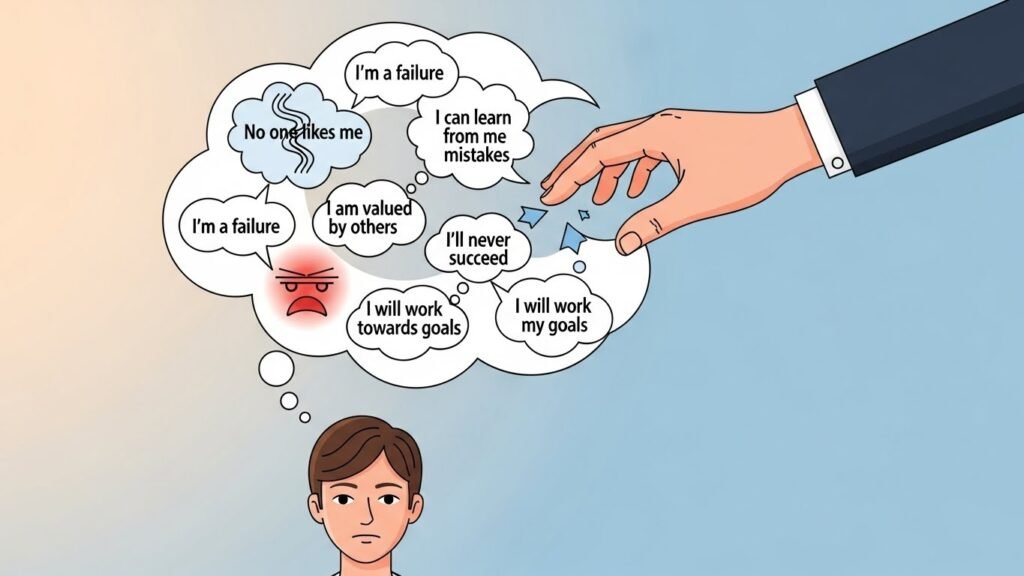
While light therapy addresses the biological aspects, psychotherapy addresses the thought patterns associated with the disorder. A specialized form of therapy known as CBT-SAD has shown remarkable results.
Research published by the National Center for Biotechnology Information (NCBI) indicates that CBT-SAD can be as effective as light therapy and may have longer-lasting benefits in preventing recurrence. This therapy focuses on identifying negative thoughts (