For home bakers and health enthusiasts alike, finding the perfect balance between flavour, texture, and nutrition is often a challenging pursuit. This is particularly true within the realm of gluten-free living.
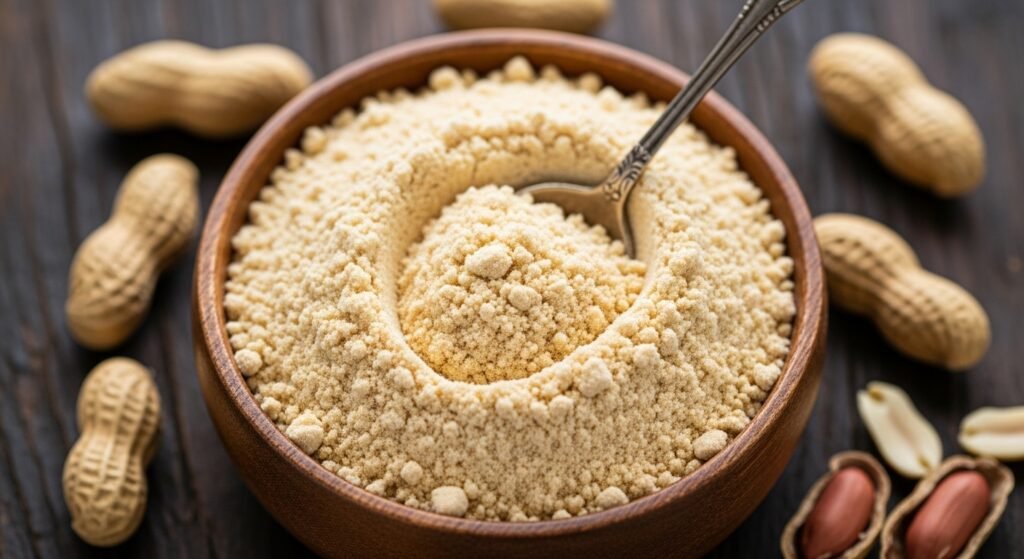
Enter roasted peanut flour. Once a niche product primarily used in industrial food manufacturing, this versatile ingredient has surged in popularity among those seeking high protein gluten-free baking solutions. By pressing the oil out of roasted peanuts and grinding the remaining nuts into a fine powder, producers create a flour that offers a potent nutty aroma and a remarkable nutritional profile.
Whether you are managing coeliac disease, following a ketogenic diet, or simply looking to boost your protein intake, roasted peanut flour is an ingredient worth exploring.
What Is Roasted Peanut Flour?
Roasted peanut flour is made from peanuts that have been roasted and then processed to remove the majority of their oil content. This process results in a partially defatted peanut flour that retains the distinct, rich flavour of peanuts but with significantly less fat and fewer calories than whole nuts.
Depending on the roast level—ranging from light to dark—the flour can offer mild, sweet notes or a robust, deep savoury taste. It is distinct from standard peanut butter powder, which often contains added sugars or salts. Pure roasted peanut flour is a single-ingredient powerhouse.
Understanding the production process can help you appreciate the product. The oil extraction is similar to the methods described in A Beginner Guide to Peanut Oil Pressing at Home, where the separation of oil leaves behind a protein-rich cake that is then milled into flour.
Nutritional Profile and Health Benefits
The roasted peanut flour nutrition facts are impressive. Because the fat is largely removed, the remaining nutrients are concentrated. A typical serving contains significantly more protein by weight than wheat flour or even whole peanuts.
High Protein Content
Protein is essential for tissue repair and muscle growth. Roasted peanut flour can contain up to 50% protein, making it an excellent vegan protein source for baking. For those struggling to meet their daily protein requirements on a plant-based diet, swapping a portion of regular flour for peanut flour can make a substantial difference.
According to the NHS, incorporating varied protein sources is vital for a balanced diet. Peanut flour provides a complete amino acid profile when paired with other grains or legumes.
Fibre and Heart Health
High dietary fibre intake is associated with a lower risk of heart disease. Defatted peanut flour benefits include a high fibre content, which aids in digestion and helps regulate blood sugar levels.
Research from the British Heart Foundation suggests that nut consumption is linked to better cardiovascular outcomes. While the oil is reduced in the flour, the heart-healthy properties of the peanut matrix remain.
Essential Vitamins and Minerals
This flour is not just about macronutrients. It is rich in niacin (Vitamin B3), folate, magnesium, and potassium. Niacin is crucial for converting food into energy, while magnesium supports nerve function.
You can find similar antioxidant benefits in the skin of the nut, as detailed in our article on Red Skin Peanuts: Antioxidant Benefits and Culinary Uses.
Gluten-Free and Keto Baking Applications
For those navigating dietary restrictions, baking with nut flours guide books often highlight almond or coconut flour. However, roasted peanut flour is a superior choice for those who desire a lower fat content without sacrificing structure.
Substituting Flour for Peanut Powder
When substituting flour for peanut powder or peanut flour, you generally cannot use a 1:1 ratio for wheat flour because it lacks gluten. Instead, it works best as a partial replacement (usually 25-30%) in gluten-free flour blends.
It acts as one of the most nutrient-dense gluten-free thickeners available. It absorbs liquid readily, so you may need to increase the wet ingredients in your recipe slightly. For specific advice on living gluten-free, Coeliac UK offers extensive resources on safe ingredients.
Keto-Friendly Options
Because most of the carbohydrates in peanuts are fibre, roasted peanut flour is low in net carbs. This makes it one of the premier keto-friendly flour substitutes.
You can create low carb peanut flour recipes ranging from pancakes and muffins to savoury coatings for proteins. It pairs exceptionally well with the flavours found in Spanish Peanuts: Small Size, Big Flavour and High Oil Content.
Culinary Uses Beyond Baking
The versatility of this ingredient extends beyond the oven. Peanut powder uses are diverse and can elevate everyday meals.
Smoothies and Shakes
Roasted peanut flour serves as a fantastic alternative to highly processed whey powders. It is one of the most natural healthy smoothie boosters available. Just a tablespoon adds creaminess and a protein hit to a banana or berry smoothie. For a twist on raw nutrition, you might also be interested in Peanut Sprouts: The New Superfood You Should Try.
Savoury Sauces
In Asian-inspired cuisine, peanut flour can be reconstituted with water, lime, and soy sauce to create an instant satay sauce with far less fat than traditional recipes using peanut butter. It thickens curries and soups effectively without clumping.
For those interested in the agricultural origins of these flavours, A Guide to Valencia Peanuts: Sweetness and Nutrition Profile explores the sweeter varieties often used in confectionary.
Weight Management and Satiety
Using peanut flour for weight management is a strategy supported by its high protein and fibre density. These nutrients promote satiety, meaning you feel fuller for longer after eating.
Evidence cited by Harvard T.H. Chan School of Public Health indicates that plant-based proteins can be effective tools for weight control. By reducing the caloric density of peanut-flavoured treats—swapping butter for defatted flour—you can enjoy the taste of peanuts without the caloric load of full-fat nuts, like those discussed in Dry Roasted Peanuts: A Heart-Healthy Snack Choice.
Sourcing and Sustainability
As consumers become more environmentally conscious, the source of their food matters. Plant-based protein powder alternative options like peanut flour are generally more sustainable than animal-based proteins.
Peanuts are nitrogen-fixing plants, meaning they return nutrients to the earth. To learn more about the cycle of peanut farming, read about Peanut Shell Compost: Turning Waste into Nutrient-Rich Soil and how nothing goes to waste. Even the byproducts have uses, as seen in Using Peanut Meal as an Organic Fertiliser and Animal Feed.
When purchasing, look for organic options if possible. For those with a green thumb, you might even consider Growing Your Own: Best Practices for Organic Peanut Seeds.
Safety and Considerations
While nutritious, peanuts remain a top allergen. Managing peanut allergies in baking is critical. Peanut flour is extremely volatile in the air; when pouring it, the dust can be inhaled, which is dangerous for those with severe airborne allergies.
Always check labels for cross-contamination. The Mayo Clinic provides comprehensive guidelines on recognizing and managing allergic reactions. Additionally, ensure you are buying culinary-grade flour, not feed-grade meal.
For those interested in the ancestral varieties of legumes that may have different protein structures (though still allergenic), our article on Jungle Peanuts: Exploring the Wild Ancestor of Modern Legumes provides fascinating context.
Comparison: Peanut Flour vs. Almond Flour
Both are popular gluten-free staples, but they differ significantly.
- Fat Content: Almond flour is high in fat; roasted peanut flour is defatted.
- Absorbency: Peanut flour is much more absorbent (similar to coconut flour).
- Protein: Peanut flour generally has higher protein per gram.
Understanding these differences is key to successful baking. The USDA FoodData Central allows you to compare the micronutrient profiles of these flours side-by-side.
Tips for Storage
Because the oil is removed, roasted peanut flour has a longer shelf life than whole peanuts, but it can still go rancid. Store it in an airtight container in a cool, dark place. For prolonged freshness, keep it in the refrigerator or freezer.
The Bottom Line
Roasted peanut flour is more than just a byproduct of oil production; it is a nutrient-dense, functional food that bridges the gap between flavour and health. Whether you are looking for a plant-based protein powder alternative, trying to lower your fat intake, or experimenting with low carb peanut flour recipes, this ingredient delivers.
It offers the beloved taste of roasted peanuts—a staple in many households—in a versatile, dry form. From thickening soups to boosting the protein content of your morning pancakes, roasted peanut flour is a pantry essential for the modern, health-conscious cook.
Always remember to check with a healthcare professional regarding dietary changes, especially if managing conditions like diabetes. Diabetes UK offers excellent advice on managing protein and carb intake.
For further reading on nutrient claims and labeling, resources from the Food Standards Agency can help you navigate product packaging with confidence. Furthermore, the National Peanut Board is a great resource for understanding industry standards.
By integrating this flour into your diet, you enjoy the best of both worlds: the rich, roasted taste you love and the nutritional gains your body needs.