When it comes to freshwater fish that offer a perfect balance of flavour and nutrition, the rohu fish (scientifically known as Labeo rohita) stands in a league of its own. A staple in South Asian cuisine, particularly across India, Bangladesh, and Nepal, this member of the carp family is celebrated not just for its culinary versatility but for its impressive health profile.
Whether you are looking to boost your heart health or find a new source of lean protein, understanding the benefits of rohu fish can help you make more informed dietary choices. In this guide, we dive deep into the nutritional science, health benefits, and safe consumption practices associated with this popular species.
What Exactly Is Rohu Fish?
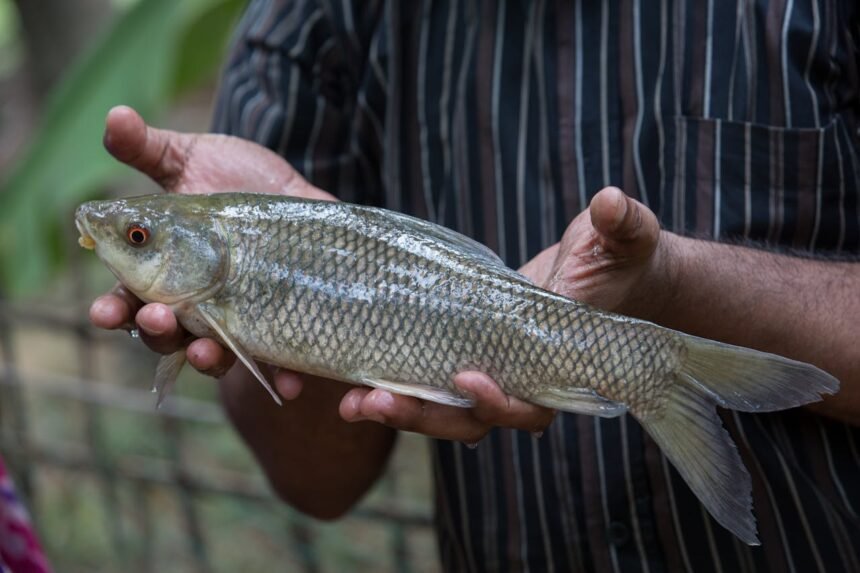
The rohu fish is a prominent freshwater species that thrives in the rivers and ponds of South Asia. Known for its silver-coloured scales and distinctively arched back, it is a herbivorous feeder, which significantly influences its mild, non-fishy flavour profile. Because it is widely cultivated through modern aquaculture practices, it remains an affordable and accessible source of high-quality protein for millions.
The Nutritional Profile of Rohu Fish
Choosing rohu fish means loading up on essential minerals and vitamins that are often lacking in the modern diet. Unlike red meats, which can be high in saturated fats, rohu provides a clean energy source that supports metabolic function.
According to nutritional analysis, a 100-gram serving of rohu typically contains:
| Nutrient | Amount (per 100g) | Main Benefit |
|---|---|---|
| Protein | 19–21g | Muscle repair and growth |
| Omega-3 Fatty Acids | Moderate levels | Brain and heart health |
| Vitamin B12 | Significant | Nerve function and DNA synthesis |
| Selenium | High | Antioxidant protection |
| Potassium | Moderate | Blood pressure regulation |
Top 5 Health Benefits of Rohu Fish
Incorporating rohu fish into your weekly meal plan can have transformative effects on your wellbeing. Here is why health experts often recommend this specific variety:
1. Promotes Heart Health
Research suggests that regular consumption of fish rich in omega-3 fatty acids can significantly reduce the risk of cardiovascular disease. These healthy fats help lower triglyceride levels and prevent the build-up of arterial plaque.
2. Excellent Source of Lean Protein
If you are aiming for weight management or muscle building, rohu is an ideal choice. It offers a dense supply of amino acids with minimal fat, making it a “gold standard” for healthy eating patterns recommended by the NHS.
3. Supports the Immune System
Rohu is naturally rich in zinc and selenium. These minerals play a critical role in strengthening the immune system, helping your body ward off seasonal infections and reducing systemic inflammation.
4. Boosts Brain Function
The combination of Vitamin B12 and healthy fats found in rohu fish is essential for cognitive health. B12 is vital for maintaining the myelin sheath that protects your nerves, ensuring sharp memory and focus.
5. Improves Skin and Hair Quality
The protein and antioxidants in rohu help maintain collagen production. This can lead to firmer skin and stronger hair follicles, proving that beauty truly does start from within.
Sustainability and Sourcing
As global demand for seafood rises, food security becomes a major concern. Fortunately, rohu fish is one of the most sustainably farmed species. Most rohu found in markets today comes from well-regulated freshwater farms rather than overfished wild populations. When purchasing, look for suppliers who follow sustainable seafood guidelines to ensure you are supporting ethical farming.
Cooking and Culinary Uses
The rohu fish is incredibly versatile in the kitchen. In South Asia, it is often prepared as “Rohu Kalia” (a rich gravy) or simply fried with turmeric and salt. Its firm texture allows it to hold up well during various cooking processes:
- Grilling: Enhances the natural sweetness of the meat while keeping it lean.
- Steaming: The healthiest way to preserve its delicate nutritional value.
- Curries: The fish absorbs spices beautifully, making it a favourite for spicy tomato-based stews.
Note: Be mindful of the bones. Rohu is known for having many small intramuscular bones, so it requires careful cleaning and eating, especially for children.
Safety Considerations: Mercury and Pollutants
One common concern with fish consumption is the presence of heavy metals. However, because rohu is a herbivore and typically occupies a lower position in the food chain, its mercury content is generally much lower than that of large predatory fish like tuna or swordfish. To stay safe, the World Health Organization recommends sourcing fish from clean, reputable water bodies.
Who should be careful?
- Pregnant Women: While low in mercury, always ensure the fish is cooked thoroughly to avoid foodborne illnesses.
- People with Kidney Issues: High-protein diets may need to be monitored; consult a GP via Harvard Health resources for specific dietary limits.
- Small Children: Due to the fine bones, always fillet the fish carefully before serving.
The Bottom Line
The rohu fish is more than just a cultural staple; it is a nutritional powerhouse. By offering a rich source of essential nutrients while remaining low in harmful fats, it deserves a place in any heart-healthy diet. Whether you enjoy it in a traditional curry or a modern grilled preparation, you are nourishing your body with one of nature’s finest proteins.
Frequently Asked Questions (FAQs)
Is rohu fish high in mercury?
No, compared to large sea fish, rohu fish generally has low mercury levels because it is a freshwater herbivore. This makes it a safer choice for regular consumption.
Can I eat rohu fish every day?
While rohu is healthy, variety is key in any diet. Most health organisations suggest eating two portions of fish per week to balance your intake of different nutrients and avoid any potential accumulation of environmental pollutants.
What does rohu fish taste like?
Rohu has a mild, sweet flavour and a non-oily, firm texture. It does not have a strong “fishy” smell, which makes it an excellent choice for those who are usually hesitant about eating seafood.
Is rohu fish good for weight loss?
Yes, rohu is an excellent lean protein source. It provides satiety (the feeling of fullness) with fewer calories than beef or lamb, helping you maintain a calorie deficit while preserving muscle mass.