We have all been there: waking up after what felt like an eight-hour snooze, only to feel like we have barely closed our eyes. In our quest for better health, understanding what happens between “lights out” and the morning alarm has become a priority. This is where sleep monitor reviews come into play, helping you navigate the booming market of sleep-tracking devices designed to decode your nightly rest.
Quality sleep is the cornerstone of physical and mental wellbeing. According to the NHS sleep guide, poor sleep can increase the risk of obesity, heart disease, and diabetes. By utilising wearable technology or mattress sensors, you can gain insights into your unique sleep architecture and make data-driven changes to your sleep hygiene.
Why Should You Track Your Sleep?
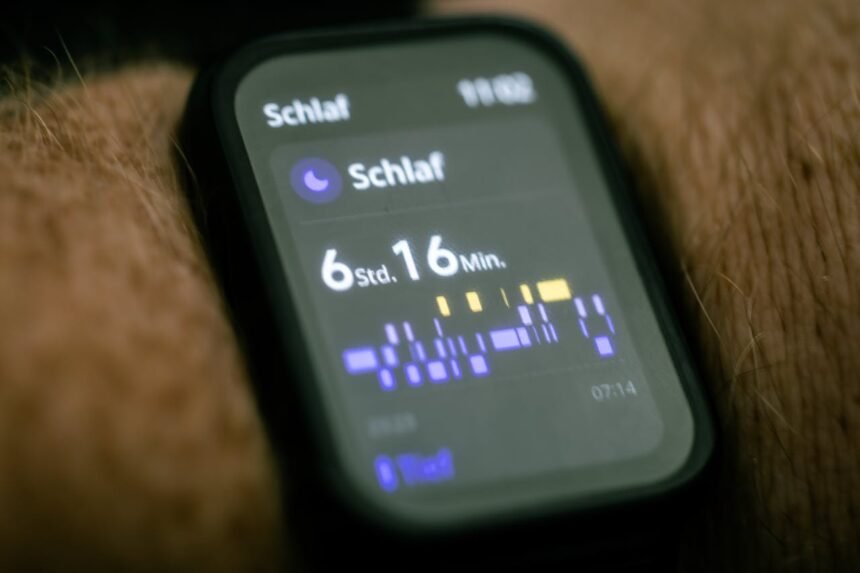
Modern sleep trackers go far beyond simple timers. They use advanced sensors to monitor physiological markers, providing a digital hypnogram of your night. By analysing your REM sleep, deep sleep, and light sleep stages, these devices help you understand why you might be feeling fatigued despite spending enough time in bed.
Key benefits of tracking include:
- Identifying disruptions in your circadian rhythm.
- Monitoring heart rate variability (HRV) to assess physical readiness.
- Detecting potential health red flags through blood oxygen levels (SpO2) tracking.
- Setting a smart alarm that wakes you during your lightest sleep phase to prevent grogginess.
Top Contenders: 2024 Sleep Monitor Reviews
The market is currently divided into two main categories: wearables and non-wearables. Each has its own set of pros and cons depending on your comfort preferences and the depth of data you require.
1. The Precision Powerhouse: Oura Ring Gen3
The Oura Ring remains a top choice in many sleep monitor reviews for those who dislike wearing a watch to bed. This sleek ring provides exceptionally accurate recovery scores by measuring temperature trends and HRV. It is particularly effective at highlighting how lifestyle choices—like late-night meals or alcohol—affect your rest. Research published in Nature suggests that ring-based sensors are becoming increasingly reliable for long-term health monitoring.
2. The Athlete’s Choice: Whoop 4.0
If you are focused on high-performance recovery, the Whoop 4.0 is a standout. It lacks a screen to minimise distractions and focuses heavily on the balance between “strain” and “recovery.” It provides deep dives into heart rate variability, helping users decide when to push their limits and when to prioritise insomnia relief through rest. Learn more about HRV at Harvard Health.
3. The Under-Mattress Master: Withings Sleep Analyzer
For those who want a “set it and forget it” solution, mattress sensors like the Withings Sleep Analyzer are ideal. This pad slides under your mattress and provides clinical-grade snoring detection. It is also one of the few consumer devices cleared for sleep apnea screening in certain regions. Check the Mayo Clinic for more on the symptoms of sleep apnea.
Comparison of Top Sleep Trackers
To help you decide which device fits your lifestyle, we have summarised the key features of the leading models below:
| Device | Type | Key Strength | Subscription Required? |
|---|---|---|---|
| Oura Ring Gen3 | Wearable (Ring) | Recovery & Temperature Tracking | Yes |
| Whoop 4.0 | Wearable (Strap) | Athletic Strain & HRV | Yes |
| Withings Sleep | Non-wearable (Mat) | Apnea Detection & No Charging | No |
| Fitbit Charge 6 | Wearable (Wrist) | SpO2 & Sleep Score | Optional (Premium) |
What to Look for in a Sleep Monitor
When reading sleep monitor reviews, it is easy to get lost in the jargon. To find the right fit, consider these three critical factors:
- Accuracy of Sleep Stages: Look for devices that correlate well with polysomnography (the gold standard in sleep labs). Tracking REM sleep and deep sleep cycles accurately is vital for understanding sleep architecture. For more on the science of cycles, visit Johns Hopkins Medicine.
- Battery Life: A sleep tracker is useless if it is sitting on its charger overnight. Aim for a device with at least 3-5 days of battery life or one that requires no charging at all, like a mattress mat.
- Advanced Health Metrics: Beyond just duration, does it track blood oxygen levels? Can it help identify restless leg syndrome through movement sensors? These features can provide a more holistic view of your health as outlined by the Sleep Foundation.
The Connection Between Technology and Mental Health
It is important to remember that while technology is a great tool, it should not become a source of “orthosomnia”—an unhealthy obsession with achieving “perfect” sleep data. The Mental Health Foundation notes that anxiety about sleep can often make insomnia worse. Use your monitor as a guide, not a judge.
If you find that your data consistently shows poor rest, it may be time to consult a professional. Organisations like the British Sleep Society and the Sleep Council UK offer excellent resources for those struggling with chronic sleep issues. For clinical guidelines on sleep disorders, you can refer to NICE guidelines.
Practical Tips for Better Sleep Tonight
Even without a high-tech monitor, you can begin improving your rest today by following these sleep hygiene principles:
- Keep your bedroom cool, dark, and quiet.
- Limit caffeine and heavy meals at least three hours before bed.
- Use a consistent wake-up time to regulate your circadian rhythm.
- Review NHS hygiene tips for further advice.
Frequently Asked Questions (FAQs)
How accurate are sleep monitors compared to clinical tests?
While consumer sleep monitors are excellent for tracking trends and patterns over time, they are not as accurate as a clinical sleep study (polysomnography). They provide an estimate of your sleep stages based on movement and heart rate. For medical diagnoses, always consult a GP. You can read more about the limitations of consumer tech in the British Medical Journal.
Can a sleep monitor detect sleep apnea?
Some advanced monitors, like the Withings Sleep Analyzer, are designed to detect breathing disturbances that may indicate sleep apnea. However, most wearables only track blood oxygen levels, which can be a sign but not a diagnosis. For details on the difference between snoring and apnea, see WebMD.
Is it safe to wear a sleep tracker every night?
Yes, most trackers use low-energy Bluetooth which is considered safe for long-term use. However, if you have sensitive skin, you should clean the band regularly to avoid irritation. Understanding the psychology of sleep and how we interact with tech is also crucial for long-term success; see Psychology Today for insights.
Will tracking my sleep actually improve it?
Tracking alone won’t change your sleep, but the insights gained can lead to better habits. By identifying what disrupts your rest, you can implement insomnia relief strategies and see real-time improvements in your recovery scores. The link between sleep and cognitive function is well-documented in journals like Science.