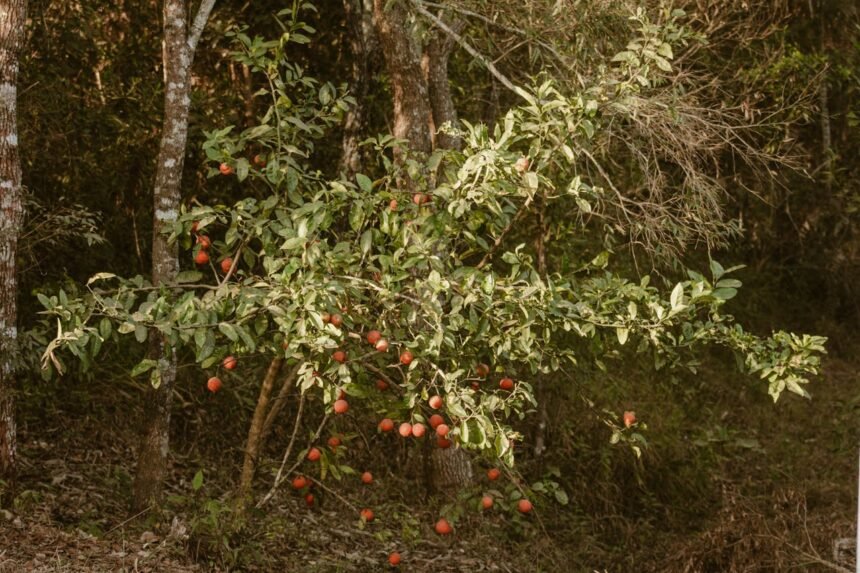
If you ever find yourself wandering through a tropical garden in Southeast Asia, you might encounter a scent that stops you in your tracks. It is sweet, musky, and perhaps a little bit… cheesy? This distinctive olfactory experience belongs to the Diospyros blancoi, more commonly known as the velvet apple or Mabolo. The Velvet apple smell is one of nature’s most intriguing paradoxes, often described as a “love it or hate it” fragrance that defines this exotic fruit.
In this guide, we will explore the complex aromatic profile of the mabolo fruit, why its scent is so divisive, and how to enjoy its creamy flesh despite its pungent exterior. Whether you are a culinary adventurer or a gardening enthusiast, understanding this Philippine indigenous plant is a journey for the senses.
The Aromatic Profile: What Exactly is the Velvet Apple Smell?
The Velvet apple smell is notoriously difficult to pin down. When the fruit is fully ripe, the thin, furry skin emits a potent tropical fruit fragrance that can fill an entire room. To many, the initial aroma is reminiscent of a strong, ripened cheese or even a musky dampness. However, beneath that sharp exterior lies a scent that is surprisingly sweet and floral.
Experts often describe the scent as a camphor-like aroma mixed with notes of nectarine and heavy cream. Because the fruit belongs to the ebony family, it shares some genetic traits with the common persimmon, though its scent profile is far more aggressive. This unique cheese-like scent is primarily concentrated in the fine, reddish-brown hairs covering the edible velvet skin.
Breaking Down the Scent Components
- Top Notes: Sharp, pungent, fermented cheese.
- Heart Notes: Sweet peach, floral jasmine, and honey.
- Base Notes: Earthy musk and camphor.
Why Does the Velvet Apple Smell So Strong?
The intensity of the Velvet apple smell is a biological strategy. As a tropical tree species, the Mabolo relies on animals to disperse its seeds. The strong aroma acts as a beacon in the dense rainforest, signalling to mammals that the fruit is ripe and ready for consumption.
Interestingly, the smell is almost entirely contained within the skin. If you perform a proper Mabolo skin removal, you will find that the white, mealy flesh inside is much milder, smelling faintly of apples or bananas. This contrast is why many people who are initially repulsed by the fruit end up becoming lifelong fans once they taste the interior.
Comparing the Velvet Apple to its Relatives
To better understand the Velvet apple smell and its characteristics, it helps to compare it to its more famous cousin, the Japanese Persimmon. While they are related, their physical and aromatic properties differ significantly.
| Feature | Velvet Apple (Mabolo) | Japanese Persimmon |
|---|---|---|
| Scent Intensity | High (Cheesy/Musky) | Low (Sweet/Mild) |
| Skin Texture | Velvety, hairy | Smooth, waxy |
| Fruit Texture | Dry, mealy, cream-like | Jelly-like or crunchy |
| Flavour | Peach and banana custard | Honey and brown sugar |
Health Benefits and Nutritional Value
Beyond the Velvet apple smell, this fruit is a powerhouse of nutrition. Integrating this fruit into your diet can provide various health benefits of velvet apple. It is particularly high in essential vitamins and minerals that support overall well-being.
1. High Vitamin C Content
The Vitamin C content in a single velvet apple is impressive. According to nutritional research, it can help bolster the immune system and promote healthy skin. For more on how this vitamin supports your body, you can read about it on Healthline.
2. Excellent Dietary Fibre Source
If you are looking to improve your digestion, the velvet apple is an excellent dietary fibre source. The fruit texture is dense and filling, which helps maintain satiety and supports a healthy gut microbiome.
3. Essential Minerals
The fruit contains significant amounts of potassium, iron, and calcium. These minerals are vital for maintaining heart health and bone density, as noted by the Mayo Clinic.
How to Identify and Prepare Ripe Mabolo
To enjoy the fruit without being overwhelmed by the Velvet apple smell, you must know how to handle it. Successful ripe Mabolo identification starts with the colour. A ripe fruit will have a deep reddish-maroon hue, and the “fur” will rub off easily with your thumb.
- Wash the fruit: Use a damp cloth to rub away as much of the velvet hair as possible. These hairs can irritate the skin and throat.
- Peel completely: The smell resides in the skin. Use a sharp knife to remove every bit of the peel.
- Chill before serving: Cooling the fruit in the refrigerator for an hour can dampen the musky aroma and enhance the custard-like flavour.
- Savour the flavour: Once peeled, the culinary uses of Kamagong (the wood of the tree) are less famous than the fruit itself, which can be eaten raw, added to salads, or pureed into desserts.
The Cultural Significance of Kamagong
The velvet apple tree is not just prized for its fruit. In its native Philippines, the tree is known as Kamagong. The wood is extremely dense and dark, often called “Ironwood.” For centuries, the culinary uses of Kamagong have been secondary to its value in crafting high-end furniture and martial arts weapons.
Scientific studies hosted on NCBI and USDA databases highlight the tree’s resilience and its importance to local ecosystems. Even major academic institutions like Oxford Academic and Nature.com have looked into the phytochemical properties of the Diospyros genus to understand its medicinal potential.
Is the Velvet Apple Scent Harmful?
While the Velvet apple smell can be quite “loud,” it is perfectly safe. Some people with sensitive respiratory systems might find the camphor-like aroma slightly irritating if the fruit is kept in a small, unventilated space, but it is non-toxic. The real concern is the tiny hairs on the skin, which can cause itchiness if they come into contact with your eyes or throat. Always wash your hands after handling the unpeeled fruit, a tip often recommended by the Royal Horticultural Society (RHS) for various “hairy” plants.
Frequently Asked Questions (FAQs)
Does the Velvet apple smell ever go away?
The Velvet apple smell is intrinsic to the skin of the fruit. However, once the fruit is peeled and the skin is discarded, the smell dissipates significantly. Chilling the fruit also helps to reduce the intensity of the aroma before you eat it.
Can you eat the skin of a velvet apple?
While technically edible, it is highly recommended to avoid eating the skin. The fine hairs (trichomes) can be very irritating to the mouth and digestive tract. Additionally, the skin is where the most pungent, “cheesy” part of the mabolo fruit aroma is located.
Where can I find velvet apples?
Velvet apples are native to the Philippines and parts of Taiwan. They are also grown in other tropical regions like Indonesia, Malaysia, and sometimes in Southern Florida. You are most likely to find them in local wet markets in Southeast Asia or specialty tropical fruit nurseries. Resources from the FAO and Smithsonian Magazine often detail the global distribution of such unique tropical species.
What does a velvet apple taste like?
Despite the strong Velvet apple smell, the taste is quite mild and pleasant. It has been described as a blend of apple, banana, and strawberry with a creamy, dry texture similar to a very dense custard or a hard-boiled egg yolk.