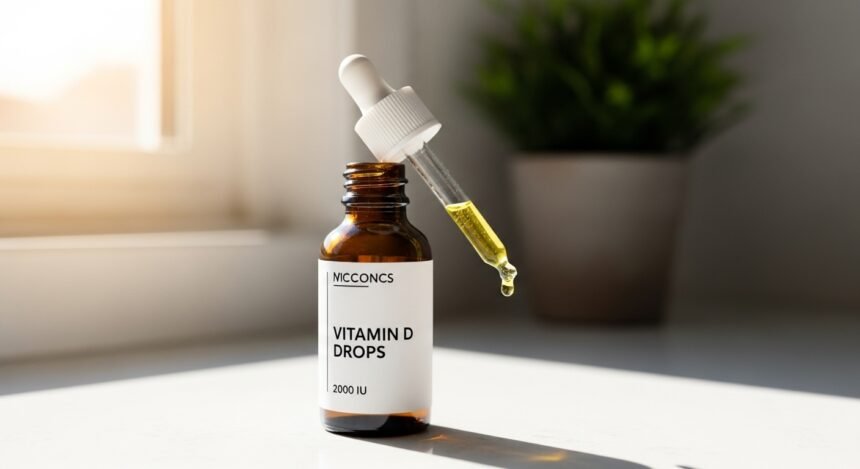
In the UK, where grey skies are a familiar sight for much of the year, maintaining adequate vitamin D levels is a national health priority. While sunlight is our primary source of this vital nutrient, the British weather often prevents us from getting enough. This is where vitamin D drops come into play. Offering a convenient and effective alternative to tablets, these liquid supplements are becoming increasingly popular for people of all ages.
Whether you are a new parent navigating the NHS recommendations for babies, an adult looking to boost your immunity, or caring for an elderly relative, this guide covers everything you need to know. We will explore the benefits, dosages, and practical tips for using vitamin D drops effectively.
Why Vitamin D is Crucial for Your Health
Vitamin D is often referred to as the ‘sunshine vitamin’, but its role in the body goes far beyond just mood regulation. It is essential for regulating the amount of calcium and phosphate in your body, which are the building blocks for healthy bones, teeth, and muscles.
A lack of this nutrient can lead to serious health issues. In children, severe deficiency can cause rickets, a condition that leads to bone deformities. In adults, it can result in osteomalacia (soft bones) or contribute to osteoporosis in later life. According to the Royal Osteoporosis Society, maintaining good vitamin D levels is one of the most effective ways to protect your bone health.
Furthermore, emerging research suggests that vitamin D plays a pivotal role in supporting the immune system, potentially helping to fight off infections—a key consideration during the colder months.
Vitamin D Drops vs Tablets: Which is Better?
When choosing a supplement, you might wonder if you should opt for liquid vitamin D for adults UK retailers sell or stick to traditional tablets. While both forms deliver the nutrient, drops offer several distinct advantages:
Better Absorption:** Liquid supplements do not need to be broken down by the stomach like tablets or capsules. This means the *benefits of liquid vitamin D3 are often felt more quickly, as the nutrient is absorbed directly into the bloodstream.
Ease of Use:** For those who struggle with swallowing pills—a common issue for children and the elderly—drops are a game-changer. You can easily adjust the *vitamin d drops dosage for adults or children by simply counting the drops.
* Versatility: You can take drops directly or mix them into food and drink, making them far more flexible than chalky tablets.
Some people also compare vitamin d drops vs spray. Both are effective liquid forms, but drops often allow for more precise dosage control, especially when administering small amounts to infants.

NHS Recommendations for Vitamin D Intake
Public health advice in the UK is quite specific due to our latitude and lack of winter sun. The Department of Health and Social Care advises that everyone should consider taking a daily supplement during the autumn and winter months.
Dosage for Babies and Children
Parents often ask about the correct vitamin d drops for breastfed babies nhs guidelines recommend. Here is the breakdown:
* Breastfed Babies (Birth to 1 year): Should be given a daily supplement containing 8.5 to 10 micrograms (µg) of vitamin D. This is crucial because breast milk may not contain enough vitamin D.
Formula-fed Babies: Babies having more than 500ml of infant formula a day do *not need a supplement, as formula is already fortified.
* Children Aged 1 to 4: Should take a daily supplement containing 10 micrograms of vitamin D all year round.
Ensuring you select the best vitamin d drops for toddlers involves looking for products that meet these specific microgram requirements without unnecessary additives.
Dosage for Adults and the Elderly
For adults and children over the age of 4, the recommendation is to take 10 micrograms (400 IU) of vitamin D a day, particularly between October and March.
Groups at higher risk of deficiency should consider taking a supplement all year round. This includes:
* People who are not often outdoors (e.g., housebound or frail).
* People who usually wear clothes that cover up most of their skin when outdoors.
* People with dark skin (e.g., African, African-Caribbean, or South Asian backgrounds).
If you are looking for high strength vitamin d drops, usually defined as containing more than 25µg (1000 IU) per dose, you should consult a healthcare professional first. The NHS warns against taking more than 100 micrograms (4,000 IU) a day as it can be harmful.
How to Administer Vitamin D Drops Correctly
Using liquid supplements is straightforward, but a few tips can ensure you are getting the full dose.
For Breastfed Babies
Administering drops to a wriggly infant can be tricky. Many parents wonder how to use vitamin d drops without making a mess.
* Direct Method: Place the drop gently into the side of the baby’s mouth.
* Nipple Method: If breastfeeding, you can place a drop on your nipple just before the baby latches on.
* Spoon Method: Use a clean, soft baby spoon.
A common question is, “can you put vitamin d drops in milk?” Yes, you can add them to expressed breast milk or cooled formula. However, ensure the baby finishes the feed to get the full dose.
For Toddlers and Older Children
For vitamin d drops for 1 year old children and toddlers, mixing the drops into cool foods like yoghurt or apple puree works effectively. Avoid adding them to piping hot food, as extreme heat might degrade the vitamin.
Always check the label to see if the drops are sugar free vitamin d drops for infants, as protecting emerging teeth from sugar is just as important as building strong bones.
Choosing the Best Vitamin D Drops in the UK
With so many products on the shelf, selecting the right one can be overwhelming.
Vegan and Vegetarian Options
Traditionally, vitamin D3 (cholecalciferol) was sourced from lanolin (sheep’s wool grease). However, innovation has led to excellent vitamin d3 drops for vegetarians* and vegans derived from lichen. Organizations like The Vegan Society often list certified brands. If you follow a plant-based diet, specifically look for *vegan vitamin d3 drops uk stockists to ensure no animal products are used.
Ingredients to Watch Out For
Ideally, the ingredient list should be short. The best drops usually consist of vitamin D3 suspended in a carrier oil like MCT oil (from coconuts) or olive oil.
* Allergies: Check for nut oils if your child has allergies.
Dietary Laws:** For families adhering to religious dietary guidelines, look for *halal vitamin d drops or kosher-certified options.
* Additives: Avoid artificial colours, flavours, and sweeteners.
Signs of Vitamin D Deficiency
It is important to recognise when a supplement might be needed. Signs of vitamin d deficiency in babies and children include:
* Delayed walking or crawling.
* Curved legs (bow-legs) or knock-knees.
* Wrist or ankle thickening.
* General muscle weakness or bone pain.
In adults, symptoms can be subtler, often presenting as fatigue, lower back pain, or a general sense of not feeling well. If you suspect a deficiency, Patient.info advises seeing a GP for a simple blood test.
Safety and Side Effects
While safe for most, it is possible to have too much of a good thing. Vitamin d drops side effects in babies and adults are rare but usually result from accidental overdose.
Taking too much vitamin D over a long period can cause hypercalcaemia (too much calcium in the blood), which can weaken bones and damage the kidneys and heart.
> “Do not take more than 100 micrograms (4,000 IU) of vitamin D a day as it could be harmful.” — NHS Guidelines
For tailored advice on safety, resources like NICE provide comprehensive public health guidance. Additionally, the Healthy Start scheme in the UK provides free vitamins to eligible families, ensuring cost isn’t a barrier to health.
Frequently Asked Questions
1. Can I give my baby vitamin D drops if they are also on formula?
If your baby is having more than 500ml (about a pint) of infant formula a day, they do not need extra vitamin D drops because formula is already fortified. If they are having less than this amount, or are fully breastfed, the British Nutrition Foundation recommends a daily supplement.
2. What is the best time of day to take vitamin D drops?
Vitamin D is fat-soluble, meaning it is absorbed best when taken with a meal that contains some fat (like avocado, eggs, or cheese). Many people prefer taking it in the morning with breakfast to establish a routine.
3. Are there specific vitamin D drops for the elderly?
Yes, elderly people are at higher risk of deficiency due to thinner skin synthesizing less vitamin D and spending more time indoors. While the standard adult dose is often sufficient, some doctors may prescribe higher doses. Age UK offers excellent advice on staying healthy in later life.
4. How do I store liquid vitamin D once opened?
Most drops should be stored in a cool, dry place away from direct sunlight. Some specific brands may require refrigeration after opening, so always read the label instructions carefully to maintain potency.
5. Can I just sit by a window to get vitamin D?
Unfortunately, no. Glass blocks the UVB rays needed for your body to create vitamin D. You need to be outdoors with direct sunlight on your skin. Since this is difficult in the UK winter, supplements remain the most reliable source.