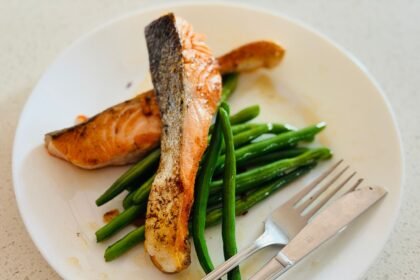


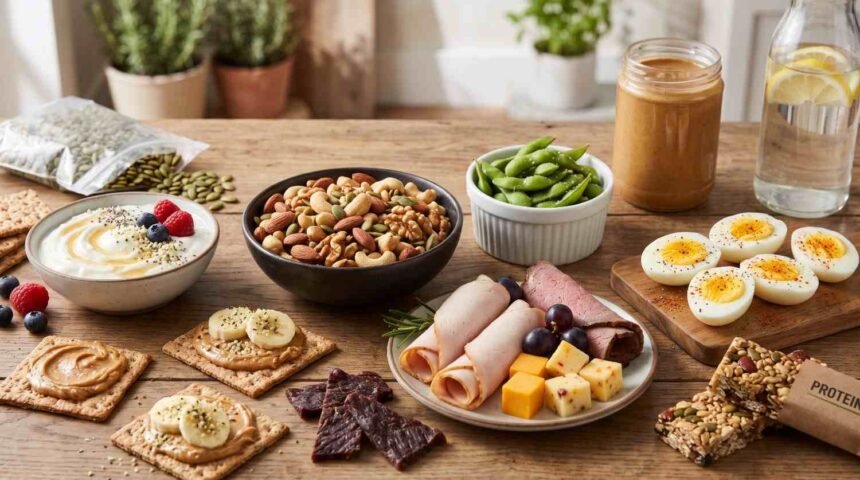
Looking for high-protein snacks for weight loss that actually keep you full? This guide shares seven simple, budget-friendly options, led by Greek yogurt, and shows how each one fits a calorie-aware plan. You will learn what protein density means, how to compare snacks by grams of protein per 100 calories, and why that number matters when you want to lose fat without losing muscle.
We also cover the latest U.S. dairy guidelines, the daily protein ranges in the 2025–2030 Dietary Guidelines for Americans, and how people using GLP-1 medicines can protect lean mass when appetite is small. Along the way, you get easy meal ideas, a fiber breakfast plan, four quick tables, and a short FAQ.
Every number is explained in plain language and checked against trusted public-health sources such as NIDDK, the CDC, and the Dietary Guidelines. This article is educational and is not a substitute for personal medical advice. Use these high-protein snacks for weight loss as a starting point, then adjust with your doctor or dietitian.
Why Protein Snacks Help When You Are Losing Weight
Snacking gets a bad name, but the right snack is a real tool. The best high-protein snacks for weight loss keep you full between meals, protect your muscle, and stop the 4 p.m. raid on the biscuit tin. That is why this topic keeps growing in kitchens and in search.
Protein works in three simple ways. It digests slowly, so hunger stays quiet for longer. Your body also burns a few more calories digesting it than it does with carbs or fat. And when you eat fewer calories overall, enough protein helps you keep lean muscle while the scale moves down.
This is not a magic trick. No snack melts fat on its own, and weight loss still comes down to your overall pattern of eating and moving. But when you choose high-protein snacks for weight loss on purpose, the whole plan gets easier to stick with, and that is where most people struggle.
In this guide, you will find seven snacks, four tables, and clear answers on three big topics: protein density, GLP-1 use, and dairy guidelines. This is health content, so accuracy matters more than hype. We lean on public sources, and we tell you when a claim is still debated.
What Is a High-Protein Recipe?
People often ask, what is a high-protein recipe? In simple terms, it is a dish where protein supplies a bigger share of the calories than usual, or where each serving gives you a meaningful chunk of your daily target. There is no official cut-off. A handy rule of thumb is 15 to 20 grams or more for a snack-size serving, and 25 to 40 grams for a main meal.
A good high-protein recipe also brings fiber, healthy fats, or water-rich vegetables, so the dish fills you up without piling on calories. Think Greek yogurt with berries and chia, an egg and veggie scramble, or tuna and white beans on whole-grain toast.
A weak one is “high-protein” in name only. A sugary bar with 10 grams of protein and 250 calories does not beat a bowl of cottage cheese with fruit. So when you ask what is a high-protein recipe worth making, check two things: grams of protein per serving, and how many calories you spent to get them. That second check leads straight to protein density.
Protein Density: The Number That Matters Most
Protein density means how much protein you get for every 100 calories. It is a simple way to compare foods fairly. A snack with 17 grams of protein in 100 calories does far more for fat loss than one with 6 grams in 165 calories.
To work it out, divide the grams of protein by the calories, then multiply by 100. A 170-gram serving of plain nonfat Greek yogurt has about 17 grams of protein and 100 calories, so its density is about 17. Use this trick when you shop for high-protein snacks for weight loss, and the best choices jump out fast.
Here is how common snacks compare. These are rounded values, so always check the label on your own brand.
| Snack | Typical portion | Protein (g) | Calories | Protein per 100 kcal |
|---|---|---|---|---|
| Tuna, canned in water | 3 oz (85 g) | 17 | 75 | ~23 |
| Plain nonfat Greek yogurt | ¾ cup (170 g) | 17 | 100 | ~17 |
| Low-fat cottage cheese | ½ cup (113 g) | 12 | 90 | ~13 |
| Turkey jerky | 1 oz (28 g) | 10 | 80 | ~12 |
| Skim milk | 1 cup | 8 | 85 | ~9 |
| Shelled edamame | ½ cup | 9 | 95 | ~9 |
| Part-skim string cheese | 1 stick | 7 | 80 | ~9 |
| Hard-boiled egg | 1 large | 6 | 75 | ~8 |
| Almonds | 1 oz | 6 | 165 | ~4 |
| Peanut butter | 2 tbsp | 7 | 190 | ~4 |
Notice that nuts and nut butters are healthy but low in density. They bring fats and fiber, yet they are not the strongest high-protein snacks for weight loss when portions are large. Use them as toppings, not as your main protein.
Density is not the only factor. Taste, cost, fiber, and prep time all count too. A snack you enjoy beats a perfect one you never eat.
7 High-Protein Snacks for Weight Loss You Can Start Today
Here are seven easy picks. Each one is cheap, simple, and built around real food. Rotate them so you do not get bored.
1. Plain Greek yogurt with berries. About ¾ cup of yogurt with ½ cup of berries gives roughly 18 grams of protein for about 135 calories. Add cinnamon for sweetness, and skip flavored cups that carry 15 grams of sugar or more. This is the star of our high-protein snacks for weight loss list.
2. Cottage cheese with cucumber or tomato. Half a cup of low-fat cottage cheese gives about 12 grams of protein. Fresh vegetables add crunch and volume for very few calories. Add black pepper and herbs, and watch the salt, because cottage cheese can be high in sodium.
3. Hard-boiled eggs. Two eggs give about 12 grams of protein and 150 calories. Boil a batch on Sunday and keep them in the fridge, shell on, for up to a week. Sprinkle with paprika or chili flakes for a quick lift.
4. Tuna or salmon pouch. A 3-ounce pouch of light tuna gives about 17 grams of protein for roughly 75 calories. Eat it with cucumber rounds or a few whole-grain crackers. Vary your fish, and check FDA guidance on fish choices if you are pregnant or feeding young children.
5. Edamame. Half a cup of shelled edamame gives about 9 grams of protein and 4 grams of fiber for around 95 calories. Steam it, add a pinch of salt, and snack slowly. It is one of the best plant-based high-protein snacks for weight loss.
6. Turkey jerky or roast turkey roll-ups. One ounce of jerky gives about 10 grams of protein for 80 calories. Check the label, since some brands pack a lot of sodium and added sugar. Roll-ups made with lean sliced turkey and mustard are a lighter option.
7. Part-skim string cheese with an apple. One stick of string cheese adds about 7 grams of protein, and the apple adds fiber and sweetness. Together they come to roughly 175 calories. It travels well, so it suits the office bag and the school run alike.
Why Greek Yogurt Is the Star Snack
Greek yogurt is strained, which removes some of the liquid whey and leaves a thicker, more concentrated product. That is why it carries about double the protein of regular yogurt in the same spoonful. It also gives you calcium, and many brands contain live cultures.
The label matters. Plain, unsweetened versions are the best fit for high-protein snacks for weight loss, while flavored cups can hide a lot of added sugar. The Dietary Guidelines advise keeping added sugars under 10 percent of daily calories, and one sweet cup can use a big slice of that.
Fat level is a personal choice. Nonfat gives the most protein per calorie, while whole-milk is creamier and more satisfying for some people, though higher in calories. Here is a quick comparison, based on a 170-gram (¾ cup) serving.
| Yogurt type | Protein | Calories | Best for |
|---|---|---|---|
| Nonfat plain Greek | 16–18 g | 90–100 | Highest density, lowest calories |
| 2% plain Greek | 15–17 g | 120–150 | Balance of creaminess and calories |
| Whole-milk plain Greek | 14–16 g | 150–190 | Fullness, smaller portions |
| Regular plain nonfat | 8–10 g | 80–100 | Lower protein, fine as a base |
| Flavored, sweetened Greek | 12–15 g | 130–180 | Occasional treat, check added sugar |
For toppings, think berries, chia seeds, ground flaxseed, cinnamon, or a few chopped nuts. Keep extras to about 100 calories so the snack stays on target.
How Much Protein Do You Need?
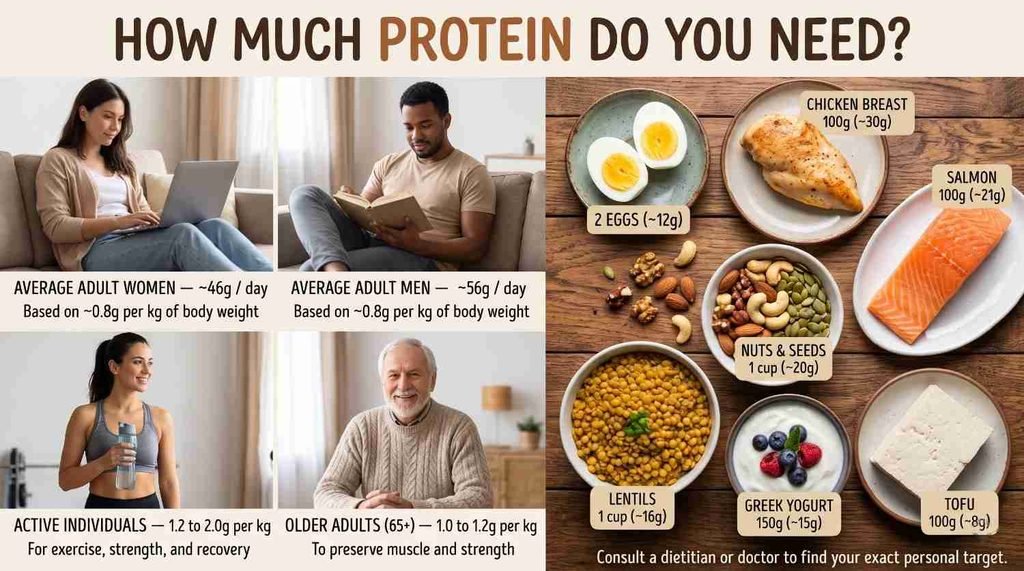
The adult RDA is 0.8 grams of protein per kilogram of body weight a day. That number prevents deficiency in healthy adults, but it is not always the best amount when you are cutting calories. The 2025–2030 Dietary Guidelines for Americans discuss a higher range of about 1.2 to 1.6 grams per kilogram for some groups, such as older adults and active people.
To use this, divide your weight in pounds by 2.2 to get kilograms. A 154-pound person weighs 70 kilograms, so the RDA is about 56 grams a day, and the higher range is about 84 to 112 grams. Spread over three meals and a couple of high-protein snacks for weight loss, that is very doable.
| Body weight | RDA (0.8 g/kg) | Higher range (1.2–1.6 g/kg) |
|---|---|---|
| 60 kg (132 lb) | 48 g | 72–96 g |
| 70 kg (154 lb) | 56 g | 84–112 g |
| 80 kg (176 lb) | 64 g | 96–128 g |
| 90 kg (198 lb) | 72 g | 108–144 g |
Experts do not agree on one perfect number, and some health groups have questioned parts of the new guidelines. So treat these ranges as a guide, not a rule. If you have kidney disease, are pregnant, or take medicines that affect your kidneys or fluids, ask your doctor before raising your protein.
For a balanced plan, the NIDDK healthy eating and physical activity guidance shows how protein fits with vegetables, fruit, whole grains, and sensible portions. It is a solid place to start.
Dairy Guidelines: What the Latest U.S. Advice Says
Dairy supplies many of the best high-protein snacks for weight loss, so the rules matter. For years, adults were told to aim for about three dairy servings a day, mostly low-fat or fat-free. The 2025–2030 guidelines keep three servings in a 2,000-calorie pattern, but they lean toward full-fat dairy with no added sugars.
This change is debated. Supporters say dairy at any fat level fits a healthy pattern and can feel more satisfying. Some professional groups worry about saturated fat, and the guidelines still cap it at under 10 percent of daily calories, about 20 grams on a 2,000-calorie plan.
For weight loss, calories still count. A serving of whole-milk yogurt can carry nearly double the calories of nonfat. If you track energy, nonfat or 2% may suit you, and if whole-milk keeps you full while you adjust the rest of your day, that can work too.
- What counts as a serving: per MyPlate dairy group guidance, about 1 cup of milk, yogurt, or fortified soy drink, or 1½ ounces of natural cheese.
- Choose plain: add your own fruit instead of buying sweetened cups.
- Lactose trouble: try lactose-free milk, Greek yogurt, aged cheese, or fortified soy options.
- Watch sodium: cottage cheese and cheese can add up quickly.
GLP-1 Use Case: Small Appetite, Big Protein Goals
GLP-1 medicines such as semaglutide and tirzepatide lower appetite and slow digestion. Many people eat far less on them, which is the point, but a smaller plate also means fewer chances to reach your protein target. When weight drops fast, some of it can be muscle, so protein quality becomes a bigger deal.
Snacks help because small portions are easier to tolerate than a large meal. A few spoonfuls of Greek yogurt or half a cup of cottage cheese can add 10 to 15 grams without feeling heavy. These are strong high-protein snacks for weight loss for people on treatment, as long as they are soft, low in grease, and gentle on the stomach.
Some clinical guidance discusses targets close to the 1.2 to 1.6 grams per kilogram range, but your doctor or dietitian should set yours, especially if you have kidney or liver problems. Pair protein with resistance exercise, such as light weights or bodyweight squats, because that is the other half of keeping muscle. Talk to your prescriber before making big changes.
- Eat slowly and stop when you feel comfortably full.
- Choose mild, cold foods if smells trigger nausea.
- Build fiber gradually and drink plenty of water to ease constipation.
- Limit fried and very fatty foods, which can worsen nausea.
Here is a sample day of snacks for a small appetite. Portions are rounded, so adjust to your needs.
| Time | Snack | Protein |
|---|---|---|
| Breakfast | ½ cup plain Greek yogurt, 1 tbsp chia | ~13 g |
| Mid-morning | 1 hard-boiled egg | ~6 g |
| Afternoon | ¼ cup cottage cheese, cucumber slices | ~7 g |
| Evening | ½ cup shelled edamame | ~9 g |
| Total from snacks | ~35 g |
Call your doctor if you have repeated vomiting, severe stomach pain, signs of dehydration such as dark urine or dizziness, or you cannot keep fluids down. Food tips never replace medical care.
Fiber Breakfast Basics
A smart fiber breakfast sets up the whole day. Fiber slows digestion, adds bulk, and works with protein to keep hunger low until lunch. Most people fall short of the usual targets of about 25 grams a day for women and 38 for men, a gap that CDC nutrition resources help explain.
Build a fiber breakfast from oats, chia, berries, beans, whole-grain toast, or vegetables. Then add a protein anchor such as yogurt, eggs, or cottage cheese. If you are new to high fiber, raise it slowly and drink water, because a sudden jump can cause gas and bloating.
This pairing is also gentle for people using GLP-1 medicines, since fiber with fluid can ease constipation. It makes your high-protein snacks for weight loss work harder across the day.
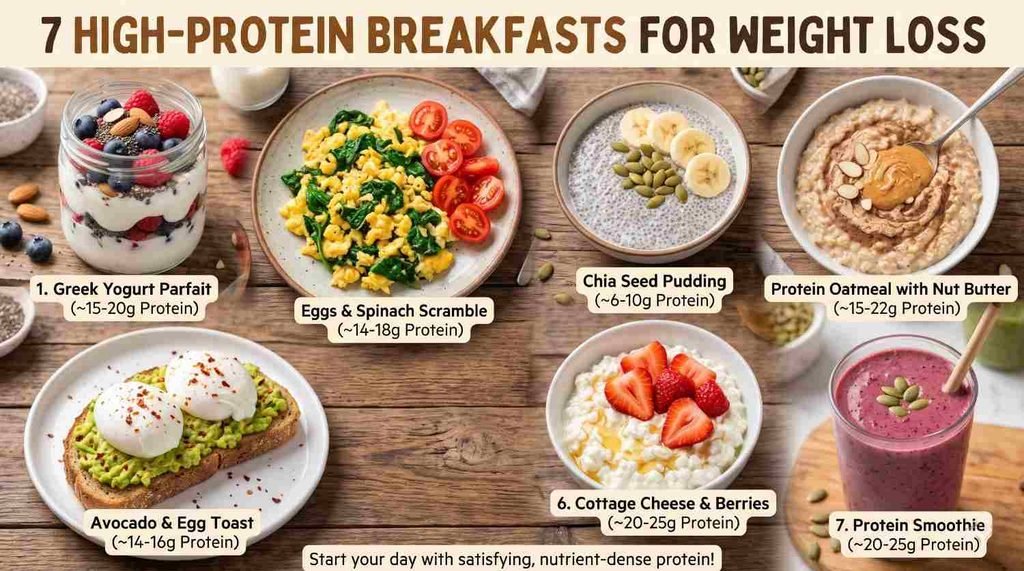
7 High-Protein Breakfast for Weight Loss Ideas
Here are seven fast ideas for a 7 high-protein breakfast for weight loss plan. Each gives roughly 15 to 30 grams of protein, depending on your portion.
- Greek yogurt parfait: yogurt, berries, chia, and a spoon of oats.
- Veggie egg scramble: two eggs with spinach, tomato, and onion.
- Cottage cheese bowl: cottage cheese with sliced peaches and cinnamon.
- Overnight oats with protein: oats, milk, chia, and Greek yogurt.
- Tofu scramble: crumbled tofu with turmeric, peppers, and herbs.
- Egg and avocado toast: one egg on whole-grain toast with a thin avocado layer.
- Smoothie bowl: plain yogurt or milk blended with berries and a handful of spinach.
When mornings are rushed, prep ahead. A 7 high-protein breakfast for weight loss routine works best when most of it is ready the night before.
Easy High-Protein Meals for Weight Loss
Snacks are only part of the story. Simple easy high-protein meals for weight loss keep you steady at lunch and dinner, so you are not starving by evening. Aim for a palm-sized portion of protein, half a plate of vegetables, and a small serving of whole grains or beans.
Try sheet-pan chicken with roasted vegetables, lentil soup with a yogurt swirl, baked salmon with greens, or a turkey and bean chili. Each can be made in one pot or one tray, and leftovers make a tidy lunch. These easy high-protein meals for weight loss work well in batches.
Keep it flexible. Swap chicken for tofu, fish, or beans, and use frozen vegetables to save time. Good easy high-protein meals for weight loss should feel normal, not like a punishment.
A Quick Note on Bully Max 30/20 High-Protein Dog Food
Some readers land here while searching for bully max 30/20 high-protein dog food. That product is made for dogs and is not meant for human eating. The “30/20” usually points to the protein and fat percentages on a dog food’s guaranteed analysis.
Dog food is formulated for canine needs, and its protein numbers are not comparable to human snack labels. Never use pet food as a diet shortcut. If you have questions about feeding your dog, your vet is the right person to ask.
Common Mistakes With High-Protein Snacking
The first mistake is trusting the front of the package. Words like “protein” and “fit” can sit on a product full of sugar and fat, so flip it over and check the numbers. The best high-protein snacks for weight loss are usually whole foods with short ingredient lists.
The second mistake is ignoring portions. Nuts, cheese, and nut butter are easy to overeat, and the calories add up fast. Measure once, then eyeball with confidence.
The third mistake is skipping fiber, water, and movement. Protein helps, but vegetables, fluids, sleep, and strength training matter just as much for lasting results. Treat high-protein snacks for weight loss as one piece of a bigger habit.
Who Should Be Careful?
Protein is safe for most healthy adults, but a few groups need medical guidance first. People with chronic kidney disease, liver conditions, or a history of disordered eating should talk to a professional before changing their intake. Pregnant or breastfeeding women, children, and older adults with special needs should also check in.
If you are allergic to milk, eggs, fish, soy, or nuts, skip those foods and use safe swaps. Lactose intolerance does not mean giving up dairy, since lactose-free and fortified options exist. When in doubt, a registered dietitian can tailor a plan to your health, budget, and culture.
Frequently Asked Questions
How many snacks should I eat a day? One or two planned snacks suit most people. Choose high-protein snacks for weight loss only when you are actually hungry, not just bored.
Is Greek yogurt better than regular yogurt for weight loss? Plain Greek yogurt has more protein per serving, so it tends to keep you fuller. Regular plain yogurt is still a healthy choice.
Do protein bars count as good snacks? Some do, but many are closer to candy bars. Check for at least 15 grams of protein and low added sugar before you buy.
Can I eat these snacks on a GLP-1 medicine? Many people do, because soft, small-portion foods are easier to handle. Follow your doctor’s advice and listen to your appetite.
Can too much protein hurt me? Very high intakes can strain the kidneys in people who already have kidney disease. For healthy adults, staying within the ranges discussed above is generally considered reasonable.
Final Takeaway
The best high-protein snacks for weight loss are simple, whole, and rich in protein for the calories. Greek yogurt, cottage cheese, eggs, tuna, edamame, turkey, and string cheese all fit the bill. Use protein density as your quick filter, and match your portions to your goals.
Remember the big three: aim for a sensible daily protein range, choose dairy with no added sugars, and get medical guidance if you use a GLP-1 medicine or have a health condition. Pair these high-protein snacks for weight loss with fiber, water, sleep, and strength training for results that last.
Start small this week. Pick two snacks from the list, stock them, and see how you feel. Steady habits beat perfect plans every time.
Disclaimer: This article is for general education only and is not medical advice. Always consult a qualified healthcare professional before changing your diet, especially if you have a medical condition or take prescription medicines. Sources include NIDDK, the CDC, MyPlate, and the Dietary Guidelines for Americans.