Receiving laboratory results can be daunting, especially when trying to decipher complex medical jargon. If you are currently focused on understanding eGFR 45 test results, you are not alone. Your Estimated Glomerular Filtration Rate (eGFR) is a primary indicator of how well your kidneys are filtering waste from your blood.
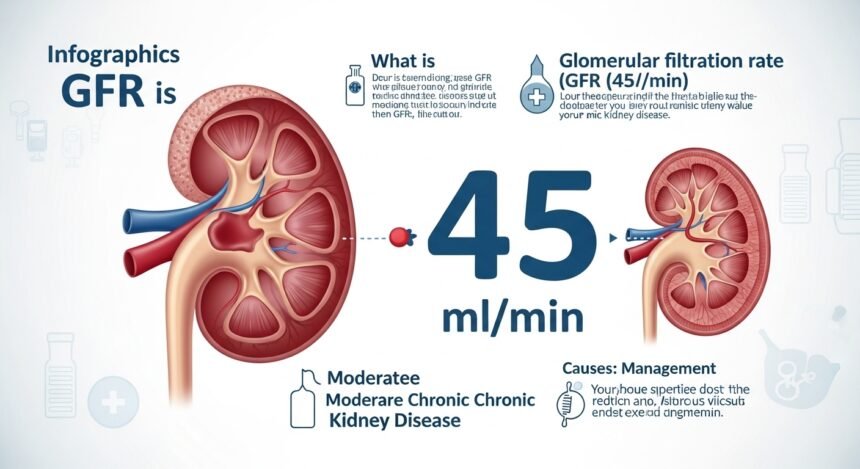
Understanding eGFR scores is the first critical step toward taking control of your health. According to experts at the Mayo Clinic’s guide on eGFR test meaning, a score of 45 indicates that your kidneys are functioning at approximately 45 percent of their normal, healthy capacity.
What is GFR 45?
When patients see this number on their blood work, they almost always ask: “what does a GFR of 45 mean for my health?” In clinical terms, an eGFR of 45 places you squarely in Stage 3a Chronic Kidney Disease (CKD). You can learn more about the nuances of this specific phase in our comprehensive Stage 3a CKD guide.
The National Kidney Foundation’s overview of CKD stages explains that Stage 3a represents a mild to moderate decrease in kidney function. A common and understandable concern is “how fast does GFR decline in stage 3a?” The rate of decline varies wildly from person to person. With proactive medical care and lifestyle adjustments, many people stabilize their numbers and prevent further damage for decades.
Is It Time to Panic?
A sudden diagnosis often triggers worst-case scenario thinking. Patients frequently wonder, “is a GFR of 45 considered kidney failure?” The short answer is no. Kidney failure, also known as End-Stage Renal Disease (ESRD), typically occurs when the eGFR drops below 15.
The American Kidney Fund’s resources on Stage 3 CKD emphasize that at stage 3a, you still have substantial and highly functional kidney tissue left. Additionally, closely understanding creatinine levels can help you and your doctor monitor your stability over time. Because a score of 45 is far from kidney failure, the life expectancy with GFR 45 can be entirely normal, provided you make the necessary lifestyle and dietary adjustments.
Recognizing the Signs
In the early stages of CKD, many people feel completely normal. However, the symptoms of stage 3a CKD with GFR 45 can occasionally begin to surface as the body adjusts to reduced filtration. You might notice subtle signs, including:
- Swelling (edema) in your hands, ankles, or feet.
- Changes in urination frequency, particularly at night.
- Persistent exhaustion or brain fog.
If you are struggling with low energy, exploring strategies for managing CKD fatigue can drastically improve your quality of life. The WebMD outline of symptoms of kidney disease also notes that foamy urine or dull lower back pain can occasionally occur, signaling the need for a prompt medical evaluation.
Taking Control Through Diet
One of the most empowering questions patients ask their nephrologists is, “can you reverse GFR 45 naturally?” While structural kidney damage cannot be completely reversed, you can absolutely improve your eGFR score, reduce the burden on your kidneys, and halt the progression of the disease through targeted daily habits.
Creating a well-structured diet plan for GFR 45 kidney disease is your first line of defense. The Cleveland Clinic’s recommendations on kidney disease diet suggest limiting the metabolic workload on your kidneys by eating mindfully.
When looking for the best foods to eat with a GFR of 45, focus on fresh fruits, vegetables, and lean proteins. Incorporating delicious kidney-friendly recipes into your weekly routine makes this transition seamless. Many dietitians highly recommend exploring plant-based protein options for kidney health, which are highlighted in Harvard Health’s analysis of protein intake and kidneys as being significantly less taxing on renal function than animal proteins.
Conversely, knowing the foods to avoid when your GFR is 45 is equally vital. Processed meats, dark colas, and high-sodium snacks should be eliminated from your pantry. The Academy of Nutrition and Dietetics’ guidelines on the renal diet stress the importance of monitoring phosphorus and potassium intake if your doctor advises it. To help with this, consider adopting low-sodium cooking tips to flavor your food with herbs and spices rather than relying on salt.
Lifestyle Adjustments and Physical Health
Beyond diet, staying active and maintaining fluid balance plays a crucial role in renal care. Proper hydration tips for a GFR of 45 usually involve drinking enough water to keep your urine pale, without severely overhydrating. We debunk many common misconceptions in our article on hydration myths and kidneys. The CDC’s basics on Chronic Kidney Disease reinforce that staying properly hydrated helps clear toxins from the blood efficiently.
Furthermore, following safe exercise guidelines for GFR 45 patients helps maintain cardiovascular health, which is intimately tied to kidney health. A moderate kidney disease exercise plan, such as 30 minutes of brisk walking or swimming daily, can improve blood flow. The Renal Support Network’s insights on lifestyle changes for CKD highlight that regular movement reduces the risk of comorbid conditions like obesity and heart disease.
Medical Management to Preserve Function
If you want to know “how to stop GFR from dropping further“, it requires a transparent partnership with your healthcare provider. Regular monitoring is essential, which is why preparing for your nephrologist appointment is so important. The Johns Hopkins Medicine guide to kidney function tests recommends routine blood and urine testing to track your progress accurately.
To effectively manage your condition, focus on these clinical priorities:
- Blood Pressure: Managing blood pressure with GFR 45 is arguably the most critical medical intervention. Hypertension damages the delicate blood vessels in the kidneys. The NIDDK’s research on high blood pressure and kidney disease shows that keeping blood pressure below 130/80 mmHg is optimal. You can explore managing hypertension naturally, but medications are often necessary. For instance, the Blood Pressure UK’s information on ACE inhibitors and kidneys explains how certain blood pressure pills actually protect renal function.
- Blood Sugar: If you are diabetic, controlling blood sugar is paramount. The diabetes and kidney disease link is incredibly strong, and the American Diabetes Association’s stance on Diabetes and CKD emphasizes strict glycemic control to prevent further vascular damage.
- Medication Safety: Be highly cautious with over-the-counter pills. There are specific supplements to avoid with GFR 45, along with certain painkillers. The PubMed/NIH studies on NSAIDs and kidney damage reveal that common drugs like ibuprofen or naproxen can cause acute renal failure in CKD patients. Always consult a list of medications to avoid with CKD before taking anything new.
Moving Forward with Confidence
Living with an eGFR of 45 requires mindfulness, but it is entirely manageable. By combining a proactive diet, careful medical monitoring, and healthy lifestyle choices, you can protect your kidneys for the long haul. Remember that mental health matters too; stress management for kidney health is an often-overlooked aspect of holistic care.
Adhering to global health standards, such as the WHO’s sodium intake guidelines, will safeguard your cardiovascular and renal systems alike. Finally, you do not have to navigate this journey alone. Consider finding CKD support groups to connect with others who understand exactly what you are going through and can offer valuable peer support.