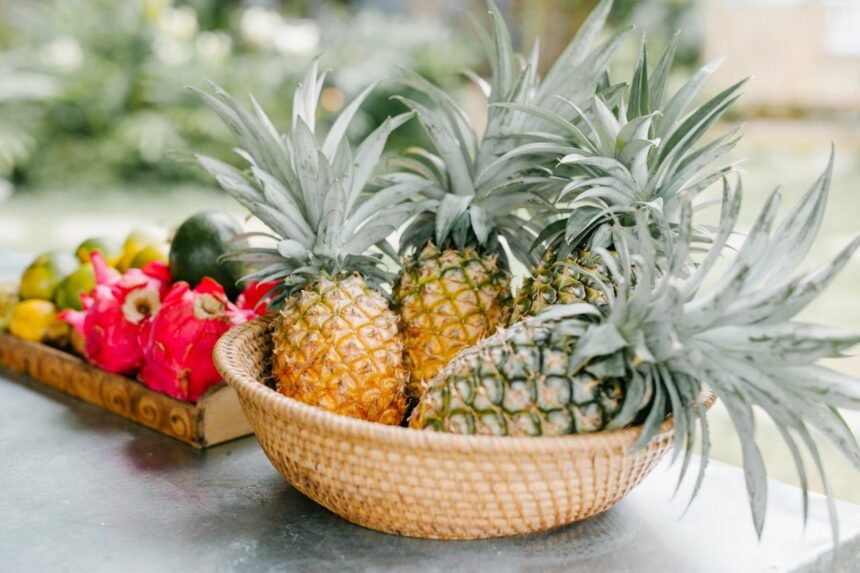
When most of us think of healthy snacks, our minds go straight to apples, bananas, or perhaps a punnet of strawberries. While these are excellent choices, the world of rare tropical fruit offers a treasure trove of flavours and health benefits that many people in the UK have yet to experience. Beyond the familiar supermarket staples lies a vibrant ecosystem of edible tropical plants that can transform your health-conscious eating habits.
Exploring these botanical treasures isn’t just about trying something new; it is about diversifying your intake of phytonutrients and antioxidants. Modern nutrition science suggests that eating a variety of plant-based foods is the cornerstone of long-term wellness. In this guide, we will dive into the unique characteristics, nutritional profiles, and exotic fruit benefits of some of the world’s most elusive produce.
Why Diversity Matters: The Power of Tropical Superfoods
The standard Western diet often lacks the plant-based diversity required for optimal gut health and metabolic function. Incorporating tropical superfoods into your routine can provide a massive boost to your immune support mechanisms. These fruits have evolved in harsh, competitive jungle environments, leading them to develop high concentrations of protective compounds.
Research published in Nature highlights how specific secondary metabolites in tropical flora can aid in reducing systemic inflammation. By seeking out unique jungle produce, you are essentially providing your body with a broader toolkit to maintain cellular health.
1. Mangosteen: The Queen of Fruits
Often hailed as one of the most delicious rare tropical fruit varieties, the mangosteen features a thick purple rind and snowy white flesh. It is renowned for its high antioxidant profile, particularly a group of compounds called xanthones. According to studies on PubMed, xanthones may possess anti-inflammatory and anti-cancer properties.
2. Rambutan: The Hairy Delight
Native to South East Asia, the rambutan looks like a sea urchin but tastes like a sweet, creamy grape. It is an excellent source of vitamin C content, which is essential for collagen production and skin health. Experts at the Mayo Clinic agree that vitamin C is a vital nutrient for tissue repair.
3. Durian: The King with a Complex Scent
Durian is perhaps the most polarising rare tropical fruit. While its smell is famously pungent, its custard-like flesh is packed with dietary fibre and potassium. The American Heart Association notes that potassium-rich foods are crucial for managing blood pressure levels.
Nutritional Comparison of Popular Rare Fruits
To help you understand how these fruits compare to more common options, we have compiled a data table highlighting their key nutritional attributes per 100g serving.
| Fruit Name | Primary Nutrient | Health Benefit | Flavour Profile |
|---|---|---|---|
| Mangosteen | Xanthones | Anti-inflammatory | Sweet and Tangy |
| Rambutan | Vitamin C | Immune Function | Sweet Floral |
| Durian | Potassium/Fibre | Heart Health | Rich and Savoury |
| Dragon Fruit | Magnesium | Bone Health | Mild and Refreshing |
| Cempedak | Vitamin A | Eye Health | Honey-like Sweetness |
The Science of Sourcing: The Rare Fruit Trade
Finding high-quality, sustainably sourced fruit can be a challenge in the UK. The rare fruit trade is complex, often involving specialised importers who prioritise speed to maintain freshness. Because these fruits are often delicate, they require careful handling to preserve their nutrient density.
When purchasing, consider the following tips to ensure you are getting the best quality:
- Check the Skin: For fruits like mangosteen, the skin should be slightly yielding but not mushy.
- Check the Weight: Heavier fruits often indicate higher juice content and freshness.
- Smell the Base: For aromatic fruits like durian or jackfruit, a faint sweet smell at the stem usually indicates ripeness.
Organisations like the Food and Agriculture Organization (FAO) emphasise the importance of supporting sustainable biodiversity in tropical regions to ensure these species do not disappear due to monoculture farming.
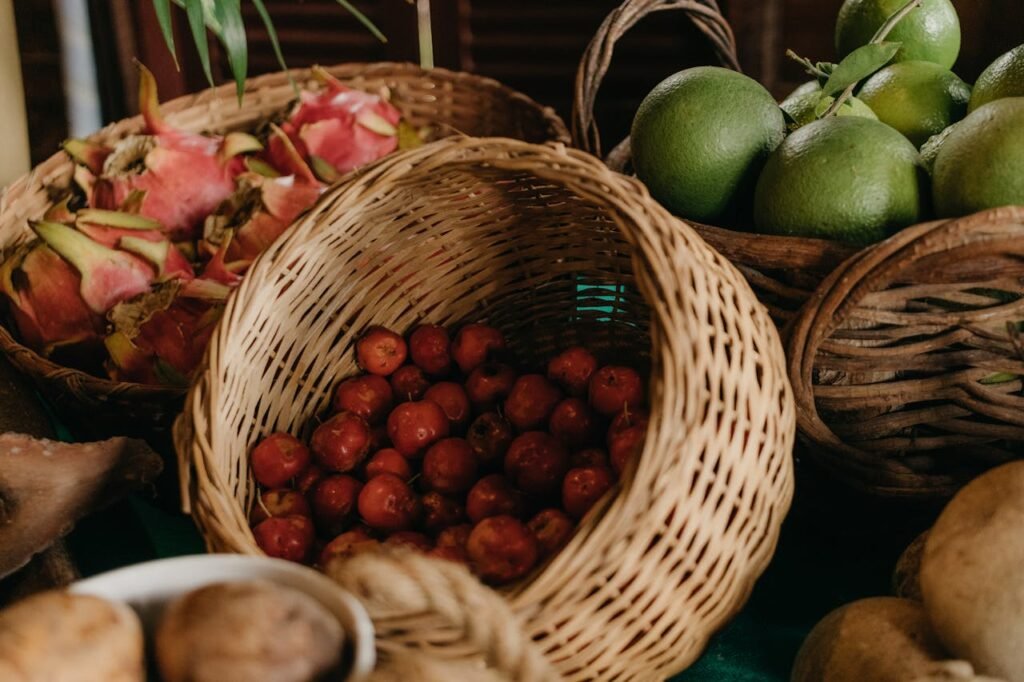
Health Benefits: More Than Just Sugar
One common misconception about rare tropical fruit is that it is simply “nature’s candy.” While they do contain natural sugars, they also offer complex matrices of fibre and micronutrients that regulate glucose absorption. According to the World Health Organization, a diet rich in fruits and vegetables helps prevent non-communicable diseases.
Many of these fruits function as excellent antioxidant-rich snacks. For instance, the deep pigments found in purple dragon fruit or mangosteen rinds contain anthocyanins. As noted by ScienceDirect, anthocyanins are powerful compounds that help combat oxidative stress in the body.
Optimising Your Gut Microbiome
The dietary fibre found in fruits like soursop and jackfruit acts as a prebiotic. Prebiotics feed the beneficial bacteria in your gut, which is linked to better mood, improved digestion, and even enhanced cognitive function. Detailed insights into the gut-brain axis can be found via Medical News Today.
Supporting Metabolic Health
Low-glycaemic options within the tropical category, such as starfruit (carambola), are excellent for those monitoring their blood sugar levels. However, if you have pre-existing kidney conditions, the Oxford Academic Journal of Nephrology warns that starfruit should be consumed with caution due to its caramboxin content.
How to Incorporate Rare Fruits into Your Diet
You don’t need to eat these fruits plain to enjoy them. Here are a few creative ways to utilise these botanical treasures:
- Smoothie Bowls: Use frozen dragon fruit or acai as a vibrant, nutrient-dense base.
- Tropical Salads: Mix rambutan or lychee with lime juice and chilli for a refreshing side dish.
- Healthy Desserts: Blend frozen cempedak or durian for a dairy-free “nice cream” that is rich in healthy fats.
- Infused Water: Add slices of starfruit to your water bottle for a subtle, refreshing flavour.
By making these antioxidant-rich snacks a regular part of your rotation, you align your diet with recommendations from the Harvard T.H. Chan School of Public Health regarding the importance of “eating the rainbow.”
The Ecological Importance of Botanical Diversity
Preserving these rare species is vital for the planet. The Royal Botanic Gardens, Kew highlights that many wild relatives of our common fruits are under threat. By creating a demand for sustainably sourced fruit, consumers help incentivise farmers to maintain diverse orchards rather than clearing land for palm oil or cattle. This supports global food security and protects the habitats of countless other species.
For more information on the link between diet and environmental sustainability, the BMJ offers extensive resources on the EAT-Lancet Commission’s findings on healthy diets from sustainable food systems.
Frequently Asked Questions (FAQs)
Is rare tropical fruit safe for everyone to eat?
Generally, yes. Most rare tropical fruit is safe and highly nutritious. However, people with specific allergies (such as latex-fruit syndrome) or those on medication for kidney issues or blood thinners should consult a healthcare professional. You can find more on fruit-drug interactions at WebMD.
Why are these fruits often more expensive in the UK?
The cost is primarily driven by the logistics of the rare fruit trade. Many of these fruits are highly perishable and must be air-freighted under temperature-controlled conditions. Additionally, sourcing sustainably sourced fruit often involves paying fair wages to farmers in tropical regions.
How do I know if a tropical fruit is ripe?
Ripeness indicators vary by species. Generally, a slight softening of the fruit and an increase in aromatic fragrance are good signs. For expert guidance on food storage and safety, refer to the British Nutrition Foundation.
In conclusion, venturing into the world of rare tropical fruit is a delicious way to improve your nutrient density and support global biodiversity. Whether you are looking for immune support or simply a new culinary adventure, these exotic wonders offer something for every palate.