In our increasingly digital world, the disconnect between humans and the natural environment has never been more apparent. Many of us spend up to 90% of our lives indoors, staring at screens and breathing filtered air. This modern lifestyle has led to a rise in stress, anxiety, and burnout. Enter ecotherapy—a formalised approach to healing that forms the backbone of this nature therapy guide.
Nature therapy isn’t just a “walk in the park.” It is a research-backed practice that utilises the Great Outdoors to improve mental wellbeing and physical health. Whether you are battling eco-anxiety or simply looking to lower your cortisol levels, reconnecting with the earth can be a transformative experience.
What is Nature Therapy?
Nature therapy, often referred to as ecotherapy, describes a broad range of techniques that involve being in nature to improve health. The concept is rooted in the biophilia hypothesis, which suggests that humans possess an innate tendency to seek connections with nature and other forms of life. According to Psychology Today, this biological need is hardwired into our DNA.
This practice has gained such credibility that the NHS has begun implementing green social prescribing, where doctors prescribe outdoor activities alongside traditional medical treatments to help manage conditions like depression and hypertension.
The Different Types of Nature Therapy
Nature therapy isn’t a one-size-fits-all solution. Depending on your goals, you might choose different modalities:
- Shinrin-yoku (Forest Bathing): A Japanese practice of “taking in the forest atmosphere.”
- Green Exercise: Physical activity, such as running or cycling, performed in natural settings.
- Horticultural Therapy: Using gardening and plant-based activities to promote healing.
- Animal-Assisted Therapy: Interacting with animals in an outdoor environment.
To help you decide which path is right for you, we have compared the most popular methods in the table below:
| Therapy Type | Primary Focus | Best For |
|---|---|---|
| Forest Bathing | Sensory immersion | Stress reduction and mindfulness |
| Green Exercise | Physical exertion | Cardiovascular health and mood boosts |
| Horticultural Therapy | Nurturing plants | Motor skills and cognitive function |
| Wilderness Therapy | Adventure and survival | Resilience and youth development |
The Science of Why Nature Heals
It might feel like “magic,” but the benefits of nature are grounded in rigorous science. Research published in the journal Nature found that spending just 120 minutes a week in green spaces is associated with significantly better health and wellbeing.
Exposure to nature has been shown to regulate our circadian rhythm, the internal clock that manages our sleep-wake cycle. By absorbing natural light, our bodies produce more vitamin D and serotonin, which are essential for mood regulation, especially for those suffering from seasonal affective disorder (SAD).
Furthermore, plants emit organic compounds called phytonicides. When we breathe these in during forest bathing, our bodies increase the production of white blood cells, boosting our immune system. As noted by the Forestry England, this practice can lower heart rate and blood pressure significantly.
A Step-by-Step Nature Therapy Guide for Beginners
You don’t need to live in the Scottish Highlands to benefit from nature therapy. You can start exactly where you are. Follow these steps to begin your journey:
- Find Your Space: Look for urban green spaces like local parks, community gardens, or even a leafy cemetery.
- Leave the Tech Behind: To fully engage in outdoor mindfulness, turn off your phone or leave it in your bag.
- Engage Your Senses: Notice the colour of the leaves, the scent of damp earth, and the sound of the wind. This is the essence of shinrin-yoku.
- Practice Grounding: Utilise grounding techniques by walking barefoot on grass or sand. According to Medical News Today, this can help neutralise the body’s electrical charge and reduce inflammation.
- Consistency is Key: Aim for at least 20 minutes a day, three times a week.
Incorporating “Green Exercise”
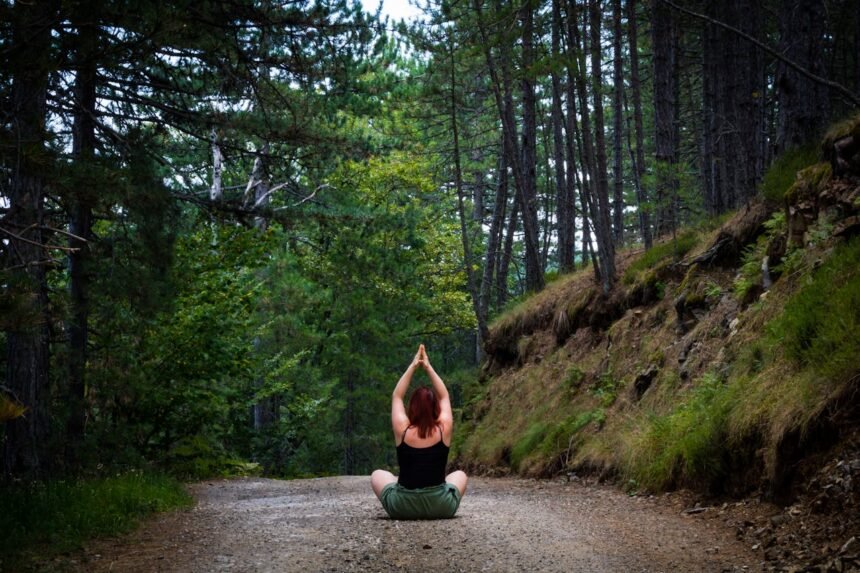
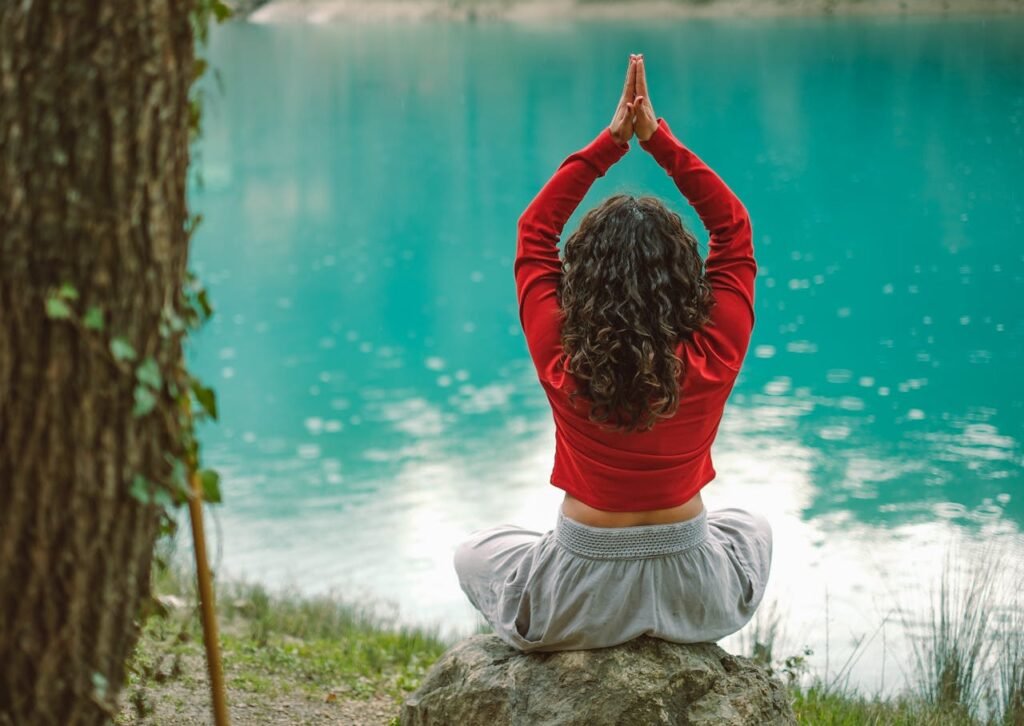
If sitting still isn’t for you, try green exercise. Walking, jogging, or even yoga in a park provides a double-hit of endorphins. The British Heart Foundation highlights that walking in nature can lower the risk of chronic diseases while clearing the mind more effectively than a gym treadmill.
Nature Therapy in the City
If you live in a concrete jungle, don’t worry. The World Health Organization emphasises that even small pockets of nature—like street trees or balcony gardens—can improve public health. You can bring nature indoors by utilising horticultural therapy principles: keep houseplants, start a window-box herb garden, or use essential oils derived from trees like cedar and pine.
Charities like Mind offer specific ecotherapy programmes in urban centres across the UK, helping people connect with nature through community gardening and food-growing projects.
The Mental Health Connection
Nature therapy is a powerful tool for managing modern psychological struggles. The Mental Health Foundation reports that people who are more connected to nature are usually happier and more likely to feel their lives are worthwhile.
For those dealing with chronic stress, the Mayo Clinic suggests that environment plays a huge role in recovery. Nature provides a “soft fascination” that allows our directed attention to rest, preventing mental fatigue. This is known as Attention Restoration Theory, a concept frequently discussed in the Journal of Environmental Psychology.
By lowering cortisol levels, nature therapy acts as a natural buffer against the pressures of work and social media. Even the National Trust has championed the “blossom watch” movement to encourage people to notice the changing seasons, which helps anchor us in the present moment.
Safety and Ethics in Nature
While nature is a healer, it’s important to treat it with respect. Always follow the Countryside Code:
- Protect plants and animals.
- Take your litter home.
- Stay on designated paths to avoid soil erosion.
- Be mindful of local wildlife habitats.
By protecting the environment, you help mitigate the very eco-anxiety that many people seek to treat through nature therapy.
If you are interested in the more formal side of plant care, the Royal Horticultural Society offers extensive resources on how gardening can support your recovery and growth.
When to Seek Professional Help
While this nature therapy guide is a helpful starting point, it is not a replacement for professional medical advice. If you are experiencing severe depression or anxiety, please consult a healthcare professional. Universities like Harvard Health suggest that nature therapy works best as a complementary treatment alongside traditional therapy or medication.
Frequently Asked Questions (FAQs)
What is the “20-minute rule” in nature therapy?
Research published in Frontiers in Psychology suggests that spending just 20 minutes in a nature-based setting is enough to significantly lower levels of the stress hormone cortisol. This makes it an achievable daily goal for busy professionals.
Do I need expensive gear for nature therapy?
Not at all. One of the best things about nature therapy is its accessibility. All you need is a comfortable pair of shoes and weather-appropriate clothing. The focus is on your internal experience and sensory connection, not your equipment.
Can I practice nature therapy if I have limited mobility?
Absolutely. Nature therapy is inclusive. Many urban green spaces and botanical gardens have paved, accessible walkways. Even sitting by a window with a view of trees or watching nature documentaries has been shown to have a positive effect on the nervous system.
What is the difference between ecotherapy and regular exercise?
While regular exercise focuses on physical fitness, ecotherapy focuses on the relationship between the individual and the natural world. In ecotherapy, the environment is a co-therapist, providing sensory input that facilitates emotional healing and mental wellbeing.