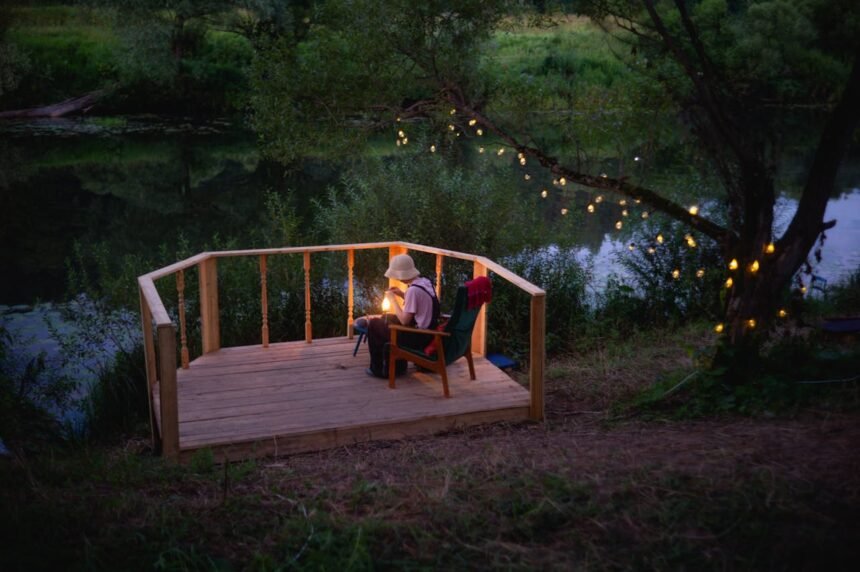
In our hyper-connected world, the constant hum of notifications, news cycles, and social obligations can leave us feeling drained. If you find yourself yearning for a break but cannot travel to a monastery or an expensive wellness centre, a silent retreat diy might be exactly what your nervous system needs.
A self-guided silent retreat is more than just “being quiet.” It is an intentional solo retreat designed to foster mental clarity and emotional restoration. By stripping away external noise, you allow your internal world to rise to the surface, providing a rare opportunity for spiritual growth and stress reduction.
Why Consider a Silent Retreat DIY?
Research suggests that silence can have profound effects on the brain. According to studies highlighted by Psychology Today, periods of silence can actually stimulate the development of new cells in the hippocampus, the region of the brain associated with memory and emotion. Pursuing a silent retreat diy allows you to reap these benefits without the logistical hurdles of travel or the high costs of professional retreats.
Engaging in mindful living through silence helps to lower cortisol levels and improve your emotional wellbeing. It provides the “white space” necessary for your brain to process unresolved thoughts, leading to a more grounded self-care routine.
Setting the Stage for Success
Preparation is the cornerstone of a successful home experience. To truly inhabit a home sanctuary, you must first clear the clutter—both physical and digital. Follow these steps to prepare your environment:
- Inform your circle: Let friends and family know you will be unavailable for a set period. This prevents interruptions and reduces “FOMO.”
- Perform a digital detox: Switch off your phone, laptop, and television. According to Bupa, removing digital distractions is vital for reducing anxiety and improving sleep quality.
- Prepare your meals: Minimise decision fatigue by meal-prepping simple, nourishing foods in advance.
- Designate your space: Choose a quiet corner or room for your contemplative practice. Ensure it is comfortable and free from work-related reminders.
Comparing Guided Retreats vs. DIY Silent Retreats
To help you decide if a silent retreat diy is right for you, consider the following comparison:
| Feature | Guided Retreat | Silent Retreat DIY |
|---|---|---|
| Cost | High (fees, travel, lodging) | Minimal (groceries only) |
| Structure | Fixed schedule by teachers | Flexible and self-designed |
| Environment | Dedicated retreat centre | Your own home sanctuary |
| Support | On-site facilitators | Self-reliant |
A Sample One-Day Silent Retreat DIY Itinerary
While you can tailor your quiet time to your needs, having a structure helps prevent the mind from wandering into unproductive boredom. Utilise this schedule to maintain focus throughout your solo retreat:
- 07:00 – Wake up: Rise slowly without checking devices. Focus on the sensation of your breath.
- 07:30 – Gentle Movement: Engage in light stretching or yoga to awaken the body.
- 08:30 – Morning Meditation: Sit for 20 minutes using basic mindfulness techniques. For guidance on getting started, Calm offers excellent resources for beginners.
- 09:30 – Mindful Breakfast: Eat in total silence, noticing the texture, colour, and flavour of your food.
- 11:00 – Nature Walk: If possible, spend time in a local park. Nature.com reports that spending at least 120 minutes a week in nature is associated with good health and wellbeing.
- 13:00 – Simple Lunch: Continue the practice of mindful eating.
- 14:00 – Journaling: Use this time for reflection. Write down thoughts as they appear without judging them.
- 16:00 – Body Scan: Lie down and perform a progressive relaxation. You can find instructions for a body scan at Mindful.org.
- 18:00 – Dinner and Rest: Wind down the day with a light meal and light reading (avoiding heavy news or thrillers).
- 21:00 – Sleep: Prioritise inner peace by going to bed early.
Deepening Your Practice
To make the most of your silent retreat diy, integrate various meditation practices throughout the day. This isn’t just about sitting still; it’s about bringing awareness to every action. As the Mayo Clinic notes, meditation can help you gain a new perspective on stressful situations.
Focus on gratitude as well. Evidence from the Greater Good Science Center at UC Berkeley shows that practicing gratitude can shift your brain’s neural sensitivity, making you more resilient to negative emotions over time.
If you find your mind racing, don’t be discouraged. The goal is not to stop thinking, but to observe your thoughts without getting caught up in them. The Harvard Business Review suggests that giving your mind “unstructured time” is essential for peak performance and creativity.
Essential Tips for Staying Present
Maintaining silence at home can be challenging, especially if you live with others or are prone to habits. Here are a few expert tips to keep you on track:
Create a “Restorative Environment”: Your bedroom should be a place for rest, not work. For tips on optimising your space, consult the Sleep Foundation.
Embrace Boredom: In our digital detox, we often panic when we aren’t “doing” something. Allow yourself to just be. This is where mental clarity is often found.
Use Anchors: If you feel overwhelmed, return to the breath. The NHS recommends mindfulness as one of the five steps to mental wellbeing, as it helps you reconnect with the present moment.
Be Kind to Yourself: Self-care is a practice, not a performance. If you break your silence or get distracted, simply acknowledge it and return to your contemplative practice. PsychCentral emphasises that true self-care involves being compassionate toward your own struggles.
Closing Your Retreat
How you end your silent retreat diy is just as important as how you start. Avoid jumping immediately back onto social media or into a busy work meeting. Spend the first few hours after your retreat in “soft” silence, perhaps enjoying a cup of tea or a short walk before reintroducing noise.
Reflect on what you learned. Did you notice a particular recurring thought? Did your body feel different? Building inner peace is a journey, and this retreat is just one step on that path. For more on the long-term benefits of silence, visit The Chopra Center.
Mindfulness is a skill that grows with repetition. For ongoing support, Mind UK provides extensive resources on integrating these habits into your daily life.
Frequently Asked Questions (FAQs)
Is a silent retreat diy safe for everyone?
While most people benefit from silence, individuals with severe clinical depression or PTSD should consult a mental health professional before embarking on a prolonged period of isolation. You can find more information on mindfulness and safety at HelpGuide.org.
How long should my first DIY silent retreat be?
If you are new to the practice, start small. A half-day (4–6 hours) or a single day is a great way to test your tolerance before attempting a full weekend.
Can I listen to music during a silent retreat?
Typically, silent retreats involve avoiding all forms of external “input,” including music and podcasts. The goal is to listen to your own internal dialogue. However, gentle instrumental tracks may be helpful if you find total silence too jarring at first. For more guided help, Headspace offers structured ways to ease into the quiet.