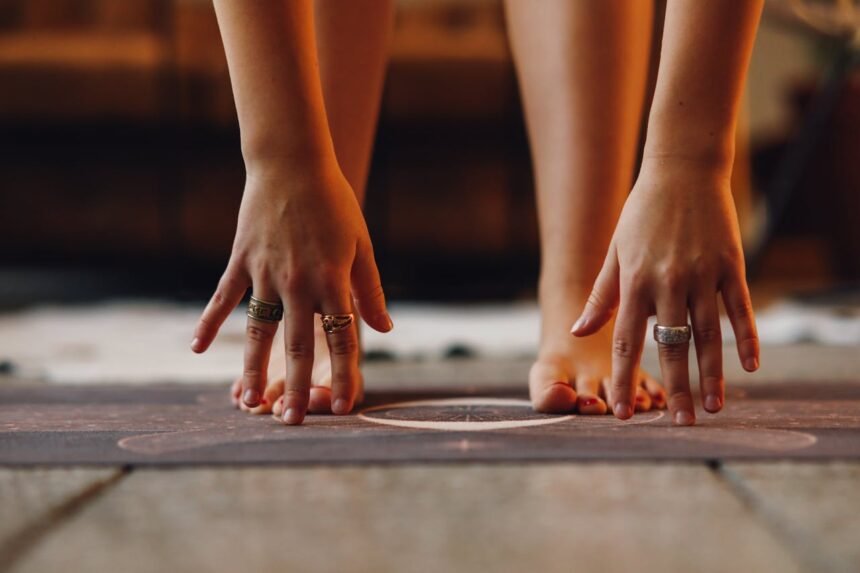
In our modern, high-speed world, we spend most of our lives insulated from the Earth. We wear rubber-soled shoes, sleep in elevated beds, and live in high-rise buildings. But what if this disconnection is affecting our health? This is where the concept of earthing comes in. If you have been browsing wellness trends lately, you have likely wondered: do grounding mats work to restore this lost connection?
Grounding, also known as earthing, involves making physical contact with the Earth’s surface electrons. While walking barefoot on grass is the most natural method, wellness technology has introduced indoor grounding solutions. These devices aim to replicate the Earth’s natural charge while you work or sleep. In this guide, we will explore the evidence, the benefits, and the practicalities of using these tools.
What is the Science Behind Grounding?
To understand how grounding mats work, we need to look at basic physics. The Earth maintains a negative electrical charge. When we make direct contact with the ground, we absorb free radicals-neutralising electrons. These electrons act as a type of natural antioxidant, potentially reducing chronic inflammation within the body.
Research published in the Journal of Environmental and Public Health suggests that this electron transfer can stabilise our internal bioelectrical environment. When you use a mat made of conductive materials, such as carbon or silver, and plug it into a grounded wall outlet, it allows these electrons to travel to your body, mimicking the effect of standing barefoot outdoors.
Many users turn to these mats to combat static electricity buildup and manage electrical sensitivity in environments filled with Wi-Fi and cellular signals. By providing a path to the ground, these mats help “drain” the excess charge we accumulate from modern electronics.
The Potential Health Benefits of Earthing
Proponents of earthing suggest that the antioxidant effects of electron transfer can lead to a variety of systemic improvements. According to experts at the Mayo Clinic, managing stress is vital for long-term health, and many find that grounding serves as an effective relaxation tool.
Improved Sleep Quality
One of the most reported benefits is a significant boost in sleep quality. By helping to regulate cortisol levels (the body’s primary stress hormone), grounding may help you fall asleep faster and stay asleep longer. Research highlighted by the Sleep Foundation indicates that maintaining a consistent circadian rhythm is essential for restorative rest.
Reduced Inflammation and Pain
Because grounding may neutralise the positively charged electrons associated with inflammation, it is often used for natural healing of chronic pain. The Arthritis Foundation notes that poor sleep can worsen joint pain, creating a cycle that earthing aims to break.
Better Heart Rate Variability
Clinical studies have looked at how grounding affects heart rate variability (HRV). A higher HRV is generally a sign of a resilient autonomic nervous system. The British Heart Foundation emphasises the link between stress and heart health; grounding may offer a simple way to support cardiovascular balance.

Comparing Grounding Methods: Mats vs. Nature
While the goal is the same, there are distinct differences between using biohacking tools and going back to basics. Below is a comparison to help you decide which approach fits your lifestyle.
| Method | Pros | Cons |
|---|---|---|
| Barefoot Outdoors | Completely free, provides Vitamin D, 100% natural. | Weather dependent, risk of injury to feet, time-consuming. |
| Grounding Mats | Convenient for office use, works while sleeping, consistent. | Initial cost, requires a grounding rod or grounded outlet. |
| Earthing Sheets | Covers large surface area, ideal for deep sleep. | Requires frequent washing, can wear out over time. |
How to Use a Grounding Mat Effectively
To ensure your grounding mats work as intended, follow these simple steps to integrate them into your daily wellness technology routine:
- Test your outlet: Use a socket tester to ensure your wall outlet is properly grounded. This is crucial for the mat to function.
- Direct skin contact: While some electrons can pass through thin clothing, direct skin contact (like resting your bare feet on the mat) is most effective.
- Consistency is key: Aim for at least 30 minutes a day. Many people prefer placing the mat under their desk or at the foot of their bed.
- Keep it clean: Follow the manufacturer’s instructions to clean the conductive materials, as sweat and oils can degrade the surface over time.
For those living in older homes without grounded outlets, you might need to use a grounding rod placed directly into the soil outside, with a wire running through a window to your mat.
Is There Evidence to Support It?
While many users report life-changing results, the medical community remains cautiously optimistic. Critics often point out that more large-scale, double-blind studies are needed. However, the Nature Journal has published various papers on the biological effects of electromagnetic fields, suggesting our environment significantly impacts our cellular health.
The NHS encourages various forms of mindfulness and “connecting with nature” to improve mental wellbeing. Grounding mats offer a way to achieve this connection when getting outdoors isn’t possible. Furthermore, data from the ScienceDirect database suggests that electron transfer is a plausible mechanism for physiological change.
If you are struggling with chronic conditions, always consult a professional. The Harvard Health blog notes that pain management often requires a multi-faceted approach, of which grounding can be one part.
Safety and Considerations
For most people, grounding is perfectly safe. However, there are a few things to keep in mind:
- Electrosmog: Ensure you aren’t placing your mat directly over high-voltage power strips, which could create “dirty electricity.”
- Cables: Be mindful of trip hazards when running wires from your bed to the wall.
- Quality: Buy from reputable sources. Check WebMD for general safety advice regarding new health gadgets.
According to the World Health Organization (WHO), we are constantly exposed to low-level electromagnetic fields. While generally safe, some individuals feel more comfortable using grounding to mitigate this exposure.
Frequently Asked Questions (FAQs)
Do grounding mats work through clothes?
While direct skin contact is ideal for the best conductivity, some electrons can travel through thin natural fabrics like cotton. However, for maximum antioxidant effects, bare skin is highly recommended.
Can I use a grounding mat while using a laptop?
Yes, many people use them specifically to neutralise the static electricity and fields generated by laptops. Placing your wrists on a mat while typing is a popular way to optimise your workspace.
How long does it take to feel the effects?
Some people notice a difference in their stress levels or heart rate variability within seconds. For others, particularly those dealing with chronic inflammation, it may take several weeks of consistent use to see noticeable changes in sleep quality and pain levels. Refer to the Cochrane Library for high-quality evidence-based healthcare resources if you’re researching specific clinical outcomes.
Are there any side effects?
Most users experience no side effects. Occasionally, individuals may feel a slight tingling sensation when they first start. If you have concerns about electrical sensitivity, consult a specialist at a site like Medical News Today for more in-depth health analysis.
Do I need to turn the mat off?
No, grounding mats do not use electricity in the traditional sense; they simply connect you to the Earth’s ground wire. There is no “on” or “off” switch, and they do not consume power. You can learn more about how these circuits work at Psychology Today.