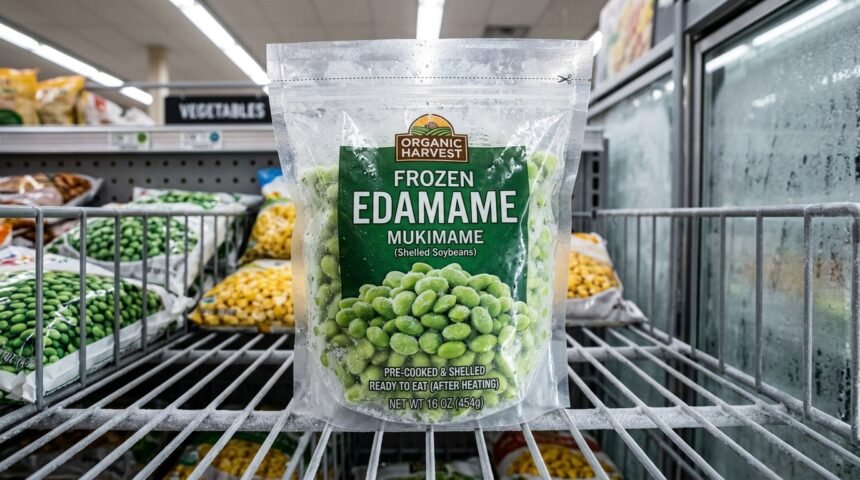
If you have ever perused the freezer aisle looking for a quick nutritional boost, you have likely encountered frozen edamame mukimame. While the name might sound exotic, it is simply the Japanese term for shelled edamame—young soybeans harvested before they ripen. These vibrant green gems are more than just a trendy sushi side dish; they are a versatile, convenient, and incredibly healthy addition to any diet.
Whether you are a seasoned vegan or just someone looking to add more healthy diet staples to your kitchen, mukimame offers a unique blend of convenience and high-density nutrition. In this guide, we will explore why you should keep a bag of frozen edamame mukimame in your freezer at all times, how it supports your health, and the best ways to enjoy it.
What is the Difference Between Edamame and Mukimame?
The distinction is simple but important for your meal prep ideas. Edamame refers to the whole soybean pod, which is typically steamed and salted before you “pop” the beans into your mouth. Mukimame, on the other hand, refers to the beans that have already been removed from the pod. Choosing frozen edamame mukimame saves you the effort of shelling, making it perfect for tossing directly into salads, stir-fries, or grain bowls.
The Nutritional Profile of Frozen Edamame Mukimame
When it comes to legume nutrition, few foods can compete with these small but mighty beans. They are one of the rare plant-based protein sources that provide all nine essential amino acids, making them a “complete” protein source.
Below is a breakdown of what you can expect from a typical 100g serving of cooked mukimame:
| Nutrient | Amount (per 100g) | Benefit |
|---|---|---|
| Protein | 11g | Muscle repair and growth |
| Dietary Fibre | 5g | Digestive health and satiety |
| Iron | 2.3mg | Energy production |
| Vitamin C | 6mg | Immune system support |
| Calcium | 63mg | Bone health |
Top 5 Health Benefits of Frozen Edamame Mukimame
1. Exceptional Plant-Based Protein
For those following a vegetarian or vegan lifestyle, finding high-quality protein is essential. Mukimame is an excellent choice for increasing your satiety levels, helping you feel fuller for longer. Because it contains essential amino acids, it helps the body function optimally without the saturated fats found in many animal proteins.
2. Supports Heart Health
Research suggests that soy protein can help lower LDL (bad) cholesterol. Consuming frozen edamame mukimame as part of a balanced diet can contribute to overall heart health. Furthermore, the beans contain soy isoflavones, which are plant compounds that have been linked to reduced risk of cardiovascular disease.
3. Manages Blood Sugar
Mukimame has a low glycaemic index, meaning it does not cause a rapid spike in blood sugar levels. This makes it an ideal food for people with type 2 diabetes or those looking to manage their energy levels throughout the day. The combination of protein and dietary fibre ensures a slow, steady release of glucose into the bloodstream.
4. Rich in Essential Micronutrients
Beyond the basics, these beans are packed with micronutrients like folate, vitamin K1, and manganese. Folate is particularly vital for DNA synthesis and is often recommended for pregnant women to support foetal development. You can learn more about these requirements at Mayo Clinic.
5. Natural Source of Iron
Anaemia is a common concern for those on plant-heavy diets. Fortunately, mukimame is one of the best vegan sources of iron. Pairing your edamame with a source of vitamin C, such as squeezed lemon juice or bell peppers, can further enhance iron absorption.
How to Store and Prepare Frozen Edamame Mukimame
The beauty of frozen edamame mukimame lies in its shelf life. Unlike fresh vegetables that may wilt within days, frozen beans retain their nutritional integrity for months. Many brands offer non-GMO soy options, which are often flash-frozen immediately after harvest to lock in vitamins.
To prepare them, you have several quick options:
- The Microwave Method: Place the desired amount in a microwave-safe bowl with a splash of water, cover, and heat for 2-3 minutes.
- Stovetop Boiling: Drop the frozen beans into boiling salted water for 3-5 minutes until tender.
- Steamable Bags: Many modern products come as steamable vegetables in their own packaging, requiring zero cleanup.
- Pan-Searing: Sauté them in a little sesame oil with garlic and ginger for a delicious crunch.
Creative Ways to Use Mukimame in Your Kitchen
Because they are already shelled, these beans are incredibly versatile healthy snacks. Here are a few ways to utilise them:
- Power Bowls: Combine mukimame with quinoa, avocado, and pickled ginger for a nutrient-dense lunch.
- Protein-Packed Pesto: Blend cooked mukimame with basil, garlic, and olive oil for a vibrant pasta sauce.
- Salad Toppers: Toss them into a classic Greek salad or a slaw for extra crunch and protein.
- Homemade Hummus: Swap chickpeas for edamame to create a “bright green” dip that is lower in calories.
- Stir-fries: Add them during the last two minutes of cooking to maintain their bright green colour and firm texture.
Potential Considerations
While soy is generally safe for most people, some individuals may have concerns about phytoestrogens. However, according to Harvard Health, moderate soy consumption is not only safe but likely beneficial for most populations. If you have specific thyroid conditions, it is always best to consult with a healthcare professional as detailed on Medical News Today.
Additionally, those with soy allergies should avoid mukimame entirely. For everyone else, it remains one of the most convenient ways to reach your daily dietary goals.
Frequently Asked Questions (FAQs)
Is frozen edamame as healthy as fresh edamame?
Yes. In many cases, frozen edamame mukimame may be even more nutritious than fresh because it is frozen at the peak of ripeness, preserving its micronutrients and antioxidants that might otherwise degrade during transport.
Can you eat frozen edamame mukimame without cooking it?
It is generally recommended to heat frozen edamame before eating. Most frozen varieties are par-boiled (blanched) before freezing, but a quick steam or boil ensures they are safe to consume and improves their texture. You can find more safety tips on WebMD.
Is mukimame good for weight loss?
Absolutely. Because it is high in protein and fibre, it promotes satiety levels, helping you feel full on fewer calories. Its low glycaemic index also helps prevent the hunger crashes associated with sugary snacks. More information on weight management can be found at ScienceDirect.
Are there anti-inflammatory benefits to eating mukimame?
Yes, soy contains bioactive compounds that may help reduce inflammation in the body. This is why organisations like the Arthritis Foundation often highlight soy as a beneficial food for managing inflammatory symptoms.
The Bottom Line
In the world of convenience foods, frozen edamame mukimame is a rare star. It bridges the gap between fast food and “slow” nutrition, offering a wealth of plant-based protein and dietary fibre with minimal effort. By keeping a bag in your freezer, you are always just minutes away from a heart-healthy, satisfying meal that supports your long-term wellness goals.