Salmon is often hailed as a “superfood”, beloved by health enthusiasts and professional chefs alike. Whether it is a midweek traybake or a sophisticated dinner party starter, salmon remains a staple in the UK diet. However, as you walk down the chilled aisle of your local grocer, you may notice a significant range in price points. Understanding the aquacultured salmon cost is essential for making informed decisions about your health, your wallet, and the planet.
Aquaculture, or fish farming, has revolutionised how we access seafood. As global fish consumption continues to rise, the seafood supply chain relies heavily on farmed varieties to meet demand. In this guide, we will break down the factors influencing the farm-raised salmon price, explore its nutritional value, and help you decide which fillet is right for your dinner plate.
What Factors Influence the Aquacultured Salmon Cost?
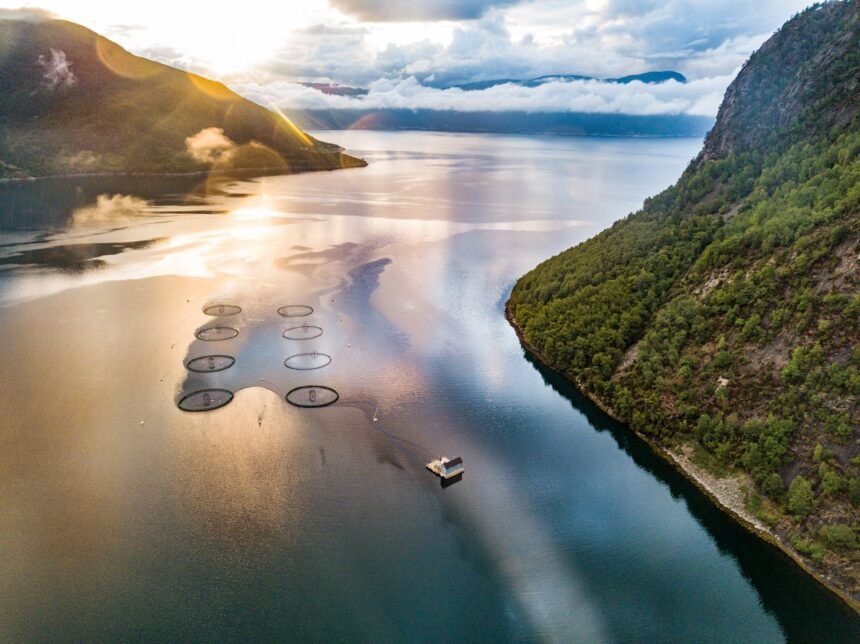
The price you pay at the checkout is the result of a complex production process. Unlike wild fish, which are harvested from their natural habitat, farmed salmon are raised in controlled environments, typically using net-pen farming techniques in coastal waters.
Several key factors drive the aquacultured salmon cost:
- Feed Costs: Salmon are carnivorous, requiring high-quality protein and fats. The feed conversion ratio (the amount of feed needed to produce a kilogram of fish) is a critical economic factor for farmers.
- Regulatory Standards: Producing fish in the UK and Europe involves strict adherence to food safety and animal welfare laws, which can increase overheads compared to less regulated regions.
- Certification: Obtaining an organic salmon certification or labels from the Aquaculture Stewardship Council (ASC) adds to the production cost but guarantees higher environmental standards.
- Logistics: Transporting fresh fish quickly from farms in Scotland or Norway to your local shop requires a sophisticated, temperature-controlled seafood supply chain.
Farmed vs Wild: A Price and Value Comparison
When comparing wild-caught vs farmed salmon, price is often the most immediate difference. Wild salmon, such as Sockeye or King salmon, is typically seasonal and much more expensive due to the unpredictability of the catch. In contrast, aquacultured salmon cost remains relatively stable throughout the year, making it a more accessible option for many households.
The following table compares the typical characteristics of these two options:
| Feature | Aquacultured (Farmed) Salmon | Wild-Caught Salmon |
|---|---|---|
| Average Price | Lower (£15–£25 per kg) | Higher (£30–£60+ per kg) |
| Availability | Year-round | Seasonal (Summer/Autumn) |
| Fat Content | Higher (more marbling) | Lower (leaner) |
| Common Species | Atlantic Salmon | Sockeye, Coho, King, Pink |
| Omega-3 Levels | High (consistent) | High (varies by diet) |
The Nutritional Profile of Salmon: Is It Worth It?
Regardless of the aquacultured salmon cost, the nutritional profile of salmon makes it one of the most beneficial proteins you can consume. It is famously rich in omega-3 fatty acids, specifically EPA and DHA, which are essential for maintaining heart health and reducing inflammation.
According to the NHS, a healthy, balanced diet should include at least two portions of fish a week, including one portion of oily fish. Beyond heart health, omega-3 fatty acids are also linked to improved brain health and cognitive function.
Some consumers worry about antibiotic use in fish or mercury levels in fish. Modern sustainable aquaculture practices have significantly reduced the need for antibiotics through vaccination programmes. Furthermore, because farmed salmon are fed a controlled diet, their mercury levels are typically much lower than those of long-lived wild predatory fish.
Understanding the Environmental Impact
While the aquacultured salmon cost is lower for consumers, the environmental impact of aquaculture is a topic of ongoing debate. Traditional net-pen farming can lead to issues such as sea lice infestations or nutrient runoff affecting local ecosystems. However, the industry is evolving rapidly.
Many producers are shifting toward innovative farming technologies, such as land-based recirculating aquaculture systems (RAS), to mitigate these risks. When shopping, look for the MSC or ASC logos. These certifications ensure that the fish was raised with minimal impact on the surrounding environment and biodiversity, as highlighted in various reports by Nature.
Atlantic Salmon vs Pacific Salmon
It is important to note the difference between Atlantic salmon vs Pacific salmon. Almost all Atlantic salmon sold in supermarkets is farmed, whereas Pacific species (like Sockeye or Chinook) are usually wild-caught. This distinction is a major driver of supermarket salmon prices; Atlantic fillets are generally thicker and more affordable due to the efficiencies of farming.
How to Save on Supermarket Salmon Prices
If you are looking to manage your weekly food budget without sacrificing nutrition, there are ways to navigate the aquacultured salmon cost effectively:
- Buy Frozen: Frozen fillets are often significantly cheaper than fresh ones and retain the same nutritional value.
- Opt for Off-Cuts: “Salmon tails” or “cooking pieces” are often sold at a discount compared to uniform centre-cut fillets.
- Check for Discounts: Keep an eye on market trends; prices often dip during promotional periods at major retailers.
- Bulk Buy: Purchasing larger sides of salmon and portioning them at home can reduce the price per kilogram.
While some reports in The Guardian highlight the hidden environmental costs of the industry, choosing certified sustainable options helps support producers who are doing things the right way. The NOAA also emphasises that responsible aquaculture is vital for a food-secure future.
Frequently Asked Questions (FAQs)
Why is farmed salmon cheaper than wild salmon?
Farmed salmon is generally cheaper because the production process is controlled and predictable. Farmers can manage growth rates, protect fish from predators, and harvest year-round, which creates a more stable supply than wild fishing, where yields depend on seasonal runs and environmental conditions.
Is aquacultured salmon safe to eat?
Yes, aquacultured salmon is safe and highly nutritious. Regulatory bodies like the European Commission and Seafood Watch monitor fish for contaminants. Modern farming also uses advanced feed technology to ensure the fish are healthy and free from harmful levels of pollutants.
Does the colour of farmed salmon come from dyes?
In the wild, salmon get their pinkish-orange colour from eating crustaceans like shrimp. Farmed salmon are given a supplement called astaxanthin in their feed to mimic this natural diet. Astaxanthin is a powerful antioxidant that is also essential for the health of the fish themselves.
Is organic farmed salmon better?
Organic salmon certification requires higher standards for stocking density (fewer fish per pen) and strictly regulated feed. While this often results in a higher aquacultured salmon cost, many consumers prefer it for the perceived animal welfare benefits and the absence of certain synthetic additives.