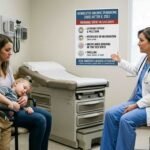


Salmonella symptoms after peppers usually start 6 hours to 6 days after you eat contaminated food. The most common signs are diarrhea, fever, and stomach cramps.
That wide window makes it hard to link an illness to a meal. This guide shows what to watch for, how to tell Salmonella from a stomach virus, and when a doctor should order a stool culture. Our main source is the CDC guide to Salmonella signs and symptoms.
Health agencies track outbreaks linked to fresh produce, including peppers. For current recall details, check the FDA’s list of foodborne illness outbreak investigations.
Key points at a glance
- Incubation: symptoms typically start 6 hours to 6 days after eating contaminated food.
- Bloody diarrhea, high fever, or severe illness is not a routine stomach bug. Call a doctor.
- A stool culture is needed for bloody stool, high fever, severe or prolonged illness, dehydration, an outbreak or recall link, high-risk patients, and food handlers.
- Do not take antimotility drugs (like loperamide) if you have a fever or blood in your stool.
- Do not take antibiotics unless a doctor directs it.
How peppers become contaminated with Salmonella
Salmonella is a bacteria that lives in the guts of animals and people. It spreads through feces. Peppers can pick it up at many points between the farm and your plate.
Knowing the path helps you see why Salmonella from peppers is a concern, and why Salmonella symptoms after peppers can appear in many places at once. It also shows why no single step can make raw produce risk-free.
Soil and manure
Peppers grow close to the ground. Soil can carry bacteria from animal waste. Manure or compost that is not treated well can add to the risk.
Irrigation and water
Farms need large amounts of water. If irrigation or wash water is contaminated, the bacteria can reach the fruit. Flooding and runoff from nearby animal areas can also bring germs into fields.
Animals and pests
Birds, rodents, and wildlife can wander through fields and packing areas. Their droppings can carry Salmonella onto crops and equipment.
Harvest and handling
People pick, sort, and pack peppers by hand. A worker who is sick or who has poor hand hygiene can pass germs to the fruit. Dirty bins, gloves, and tools can do the same.
Processing and packing
Peppers may be washed, cut, chopped, or mixed into salsa and other products. If one batch is contaminated, the germs can spread to others on shared equipment. That is how one source can lead to a wide pepper recall illness.
Your own kitchen
Contamination can also happen at home. A cutting board used for raw chicken and then for peppers is a classic example. So is a knife that is not washed between tasks.
Why raw peppers matter most
Cooking to a safe temperature kills Salmonella. The bigger risk of Salmonella symptoms after peppers comes from peppers eaten raw. Think fresh salsa, pico de gallo, salads, sandwiches, and toppings on nachos.
Heat from the pepper itself does not protect you. A spicy flavor does not kill bacteria.
Salmonella symptoms after peppers: what they look like
Salmonella symptoms after peppers look like those from any Salmonella food poisoning. The illness is also called salmonellosis. Some people have mild signs. Others get very sick. Salmonella symptoms after peppers vary a lot from person to person.
Common signs
The most common salmonellosis symptoms include:
- Diarrhea, which can be watery
- Fever
- Stomach cramps
- Nausea
- Vomiting in some people
- Headache
- Chills
- Loss of appetite
Most people have diarrhea, fever, and cramps together. But Salmonella symptoms after peppers may not include all three.
What the diarrhea may look like
The diarrhea can be loose and watery. It may also contain mucus. In some people, it contains blood. Blood is a sign to call a doctor.
How severe is it?
Many healthy people feel miserable for several days and then recover on their own. But Salmonella symptoms after peppers can be harsh in babies, older adults, and people with weak immune systems.
Severity depends on your age, your health, and how much of the germ you swallowed. Two people can eat the same salsa and have very different illnesses.
A quick self-check
- Did the illness start within 6 days of eating raw produce?
- Is diarrhea the main problem, with fever and cramps?
- Has it lasted longer than a typical stomach virus?
- Are others who ate the same food sick?
Several “yes” answers raise the chance of a bacterial cause. Share them with your doctor.
Symptoms that do not mean Salmonella
A stuffy nose, a cough, or a sore throat is not typical of Salmonella symptoms after peppers. Those point to a cold or flu. Burning in the mouth right after eating a hot pepper is a reaction to the pepper, not an infection.
Timeline: when Salmonella symptoms after peppers start and how long they last
The timing of Salmonella symptoms after peppers is one of the best clues you have. But it is also one of the most confusing.
Incubation: 6 hours to 6 days
Salmonella symptoms after peppers typically start 6 hours to 6 days after you eat contaminated food. This is called the incubation period. Many people get sick within one to three days.
Because the window is wide, you may not remember the meal that made you sick. You might even blame the wrong food. The meal from two or three days ago is often the better suspect.
How long illness lasts
Most people with Salmonella symptoms after peppers feel better in about 4 to 7 days. Fever often fades first. Diarrhea can linger longer.
Some people have loose stools for a couple of weeks. Your bowels can also take weeks or months to feel normal again.
Why timing alone is not proof
A short or long incubation does not confirm the cause of Salmonella symptoms after peppers. Viral stomach bugs and other bacteria can also cause illness. A test is the only way to be sure.
A simple way to look back
If you are sick, think back over the past 6 days. This is the first step in tracing the source. List raw items you ate, such as peppers, salsa, sprouts, or undercooked eggs. Note where you ate them. This list helps your doctor and, in an outbreak, the health department.
You can spread it even after you feel better
Salmonella can stay in your stool for days or weeks after the symptoms stop. Wash your hands carefully after using the toilet. Do not prepare food for others until your doctor says it is safe. You can pass it on even after Salmonella symptoms after peppers fade.
Salmonella vs. viral gastroenteritis: how to tell them apart
Many stomach illnesses look alike. Most are caused by viruses, such as norovirus. A virus is often called a stomach flu, though it is not related to influenza.
You cannot be certain at home. A lab test is the only sure way to confirm Salmonella symptoms after peppers. But some clues can help you guess which is more likely. Salmonella symptoms after peppers tend to follow a different pattern than a stomach virus.
| Feature | Salmonella (bacterial) | Viral gastroenteritis |
|---|---|---|
| Main problem | Diarrhea-dominant | Vomiting-dominant, especially at first |
| Onset after exposure | 6 hours to 6 days | Often 12 to 48 hours |
| Fever pattern | Fever is common and may last a few days | Low-grade or no fever; often short |
| Blood in stool | Can happen | Uncommon |
| Cramps | Often strong and ongoing | Usually milder |
| Typical duration | About 4 to 7 days, sometimes longer | Often 1 to 3 days |
| Link to a food | Often linked to a specific food or recall | Often linked to sick contacts |
This table shows patterns, not rules. Some viral illnesses last longer. Some Salmonella cases are mild.
Fever pattern
With Salmonella symptoms after peppers, fever is common. It can last for several days. With a stomach virus, fever tends to be low or short.
Blood in the stool
Blood in Salmonella symptoms after peppers points more toward a bacterial infection than a virus. Viral gastroenteritis rarely causes bloody stool. If you see blood, do not assume it is a virus.
Duration
A virus usually peaks fast and fades within a day or three. Salmonella often lasts longer. If you are still sick on day four or five, think bacteria. Illness that goes beyond several days needs a doctor’s input.
Cramps
Salmonella tends to cause strong, steady cramps. Viral cramps are often milder and come with waves of nausea.
Vomiting vs. diarrhea
Norovirus often hits with sudden, forceful vomiting. Salmonella leans toward diarrhea. Some people with Salmonella do vomit, so do not use this clue by itself.
Who else is sick?
If several people who ate the same dish fell ill, think food. If people who ate different meals but shared a home or school are sick, a virus becomes more likely. Either way, tell your doctor.
Bloody diarrhea: what it means and when it is urgent
Seeing blood in your stool is scary. It does not always mean a dangerous illness. But it should never be ignored.
What blood in the stool can mean
With Salmonella symptoms after peppers, blood comes from irritation and inflammation in the intestines. Other germs can also cause bloody diarrhea. These include Shigella, Campylobacter, and Shiga toxin-producing E. coli (STEC).
You cannot tell these apart by looking. A lab test can.
Why antimotility drugs are risky here
Drugs like loperamide (Imodium) slow the gut. If you have a fever or blood in your stool, do not take them. They may keep the germ and its toxins in your body longer.
When bloody diarrhea is urgent
Get medical care the same day if Salmonella symptoms after peppers include bloody diarrhea. Go to the ER if you also have:
- A high fever, such as above 102°F (39°C)
- Signs of dehydration, such as very little urine or dizziness
- Severe belly pain
- Repeated vomiting that keeps you from drinking
- Confusion or extreme sleepiness
For a young child, call a doctor right away if you see blood in the stool. If a child also pees much less, go to the ER. Bloody diarrhea in a child can signal a different dangerous problem with the kidneys.
Blood from other causes
Hemorrhoids and anal tears can also leave blood on toilet paper. Black, tar-like stool is different and can signal bleeding higher in the gut. Tell your doctor about any blood, whatever the color.
When to see a doctor for Salmonella symptoms after peppers
Most healthy adults can manage mild Salmonella symptoms after peppers at home. But some situations call for a doctor’s visit.
Call your doctor if you have
- Diarrhea and a fever higher than 102°F (39°C)
- Diarrhea that lasts more than 3 days without getting better
- Bloody diarrhea
- So much vomiting that you cannot keep liquids down
- Signs of dehydration
- Severe belly pain
These match the CDC’s list of reasons to seek care. See the CDC overview of Salmonella infection for more detail.
Call sooner if you are high risk
Babies, older adults, pregnant people, and those with weak immune systems should call early. Do not wait for several days to pass.
Tell the doctor about your food history
Mention peppers, salsa, and any recalled food. Say when you ate them and when symptoms started. This helps the doctor decide what to test.
When a stool culture is needed
A stool culture is a lab test that can confirm Salmonella symptoms after peppers. A small stool sample is checked for germs like Salmonella. Not everyone with diarrhea needs one.
When a doctor orders a stool culture
A doctor may order a stool culture if you have:
- Bloody stool
- High fever
- Severe illness
- Illness lasting beyond several days
- Dehydration
- A link to an outbreak or recall, such as eating a recalled pepper product
- High-risk status, such as being very young, older, pregnant, or immunocompromised
- A job as a food handler, health care worker, or child care worker
Why testing matters
A test confirms the cause of Salmonella symptoms after peppers. It can guide treatment in people who may need an antibiotic. It also helps public health teams find the source of an outbreak and protect others.
Food handlers and caregivers
If you handle food, care for patients, or work with children, tell your doctor. Local rules may keep you off work until you are well or have tests that show you are not shedding the germ. Follow your health department’s guidance.
How to give a sample
Your doctor or lab will give you a clean container and instructions. Collect the sample as directed. Wash your hands well afterward. Return it quickly, since the lab needs a fresh sample.
If you are mildly ill
If you are healthy and mildly ill, your doctor may not order a test. That is fine. The treatment is mostly fluids and rest. But if your symptoms get worse or last longer, ask about testing.
High-risk groups for Salmonella
Anyone can get Salmonella from peppers and develop Salmonella symptoms after peppers. But some groups face a higher risk of serious illness.
Infants
Babies have small fluid reserves. They can dehydrate fast. Infants are also more likely to have the infection spread to the blood.
Young children
Children under 5 get Salmonella more often than other ages. They put hands and objects in their mouths. They also share toys and spaces with other kids.
Older adults
Adults 65 and older can become very ill. Their bodies may fight the infection less well. They are also more prone to dehydration and to complications.
Pregnancy
Pregnancy changes how the immune system works. If you are pregnant and have Salmonella symptoms after peppers, call your provider early. Do not take medicines on your own.
Weakened immune systems
People with diabetes, cancer, HIV, organ transplants, or kidney disease may be at higher risk. So are people who take medicines that weaken the immune system. They are more likely to get bloodstream infections.
Why it matters in an outbreak
During a pepper recall illness, high-risk people should be the most careful. They should check every pepper product in the home. They should call a doctor early if symptoms start.
Dehydration warning signs
Dehydration is the most common serious problem with Salmonella symptoms after peppers and other Salmonella food poisoning. Diarrhea, fever, and vomiting drain fluids fast.
Signs in adults
- Very little urine, or dark urine
- Dry mouth and throat
- Extreme thirst
- Dizziness when you stand
- Weakness or fatigue
- Fast heartbeat
Signs in babies and children
- Fewer wet diapers than usual, or none in 6 hours or more
- No tears when crying
- Sunken eyes
- A sunken soft spot on a baby’s head
- A dry mouth and lips
- Unusual sleepiness or fussiness
When dehydration is an emergency
Go to the ER if you cannot keep liquids down. Go if you feel faint, are confused, or barely pee. These signs can mean severe dehydration. It may need fluids through a vein.
Home care for Salmonella symptoms after peppers
If your Salmonella symptoms after peppers are mild and you are not in a high-risk group, home care can be enough. The goals are to replace fluids and let your body recover.
Drink fluids
Sip small amounts often. Oral rehydration solutions are best. They contain the right mix of water, sugar, and salts.
Water, broth, and diluted drinks can also help. Do not gulp large amounts at once. That can trigger vomiting.
Rest
Your body needs energy to fight the infection. Stay home. Sleep when you can.
Eat when you are ready
You do not have to eat if you feel sick. When your appetite returns, start with bland foods. Examples include rice, bananas, toast, and plain potatoes. Avoid greasy, spicy, and very sugary foods for a few days. Skip alcohol.
Do not use antimotility drugs if you have fever or blood
Do not take loperamide (Imodium) or similar drugs if you have a fever or blood in your stool. They can make a bacterial infection worse. Ask a doctor first, even if you have neither.
Do not take antibiotics unless a doctor directs it
Antibiotics do not help most healthy people with Salmonella. They may also keep the germ in your gut longer. A doctor will decide if you need one.
Never use leftover antibiotics from a past illness.
Be careful with pain relievers
If you have fever or aches, ask a doctor which medicine is safe. This matters most when you are dehydrated. Some pain relievers can strain the kidneys.
Protect others at home
- Wash your hands with soap and water after using the toilet.
- Clean the bathroom with disinfectant.
- Do not share towels.
- Do not cook for others while you are sick.
- Wash soiled clothes and linens in hot water.
Watch for changes
Check in with yourself each day. If you are getting worse, call a doctor. If you have any red flags from this guide, go to the ER.
How doctors diagnose and treat Salmonella
Diagnosis
Your doctor will ask about your Salmonella symptoms after peppers and your recent meals. They will check for dehydration. They may order a stool test.
The lab looks for Salmonella in the stool sample. Some labs use a newer rapid test. A culture can also be sent for extra typing, which helps public health teams link cases to an outbreak.
In a very sick person, doctors may also order blood tests. A blood culture can show if the infection has reached the bloodstream.
Treatment for most people
Most people with Salmonella symptoms after peppers need only fluids and rest. Doctors focus on preventing and treating dehydration. They may give oral fluids or, for severe cases, IV fluids.
When antibiotics are used
Doctors may prescribe antibiotics for severe illness. They may also use them for infants, older adults, and people with weak immune systems. People whose infection has spread to the blood need them too.
The choice of drug depends on your age, health, and local resistance patterns. Take the full course if you are prescribed one. Ask about side effects.
Treating complications
Hospital care may be needed when Salmonella symptoms after peppers bring severe dehydration or bloodstream infection. Doctors may also treat infected areas, such as a joint or an artery. This is rare but serious.
Follow-up
Ask your doctor when it is safe to return to work or school. If you work with food or care for others, ask about re-testing. Local rules differ.
Complications and when infection spreads to the blood
Most people recover fully. But Salmonella symptoms after peppers can lead to complications in a smaller number of people.
Severe dehydration
This is the most common complication of Salmonella symptoms after peppers. It can lead to kidney problems if not treated. Prompt fluids prevent most cases.
Bloodstream infection (bacteremia)
Sometimes the bacteria leave the gut and enter the blood. This is more likely in infants, older adults, and people with weak immune systems. It can cause high fever, chills, and severe illness.
Bloodstream infection is an emergency. It needs hospital care and antibiotics.
Infection in other parts of the body
From the blood, Salmonella can settle in other places. These include bones, joints, the lining of the brain, and blood vessels. Signs may include localized pain, swelling, or a stiff neck.
Reactive arthritis
Some people develop joint pain, eye irritation, or painful urination weeks after the infection. This is called reactive arthritis. It often passes, but some people need treatment.
Long-term bowel changes
Some people have irritable bowel symptoms after Salmonella food poisoning. These include cramps, bloating, and changes in stool. Talk to your doctor if they last.
Warning signs of complications
- Fever that returns or does not break
- Shaking chills
- Severe headache or stiff neck
- New joint swelling or pain
- Confusion or fainting
Do not wait if you notice any of these. Salmonella can turn serious. Go to the ER.
What to do if you ate recalled peppers
You may hear that peppers or pepper products were recalled. Do not panic. Here is what to do. Always confirm details on the official FDA and CDC pages, since recalls and outbreak counts change.
Step 1: Check the recall
Look at the product name, brand, size, lot code, and dates. Read the details on the FDA’s outbreak investigations page. Not every pepper is affected. Only the named products are.
Step 2: Do not eat, serve, or sell it
If you have a recalled product, throw it away or follow the return steps in the notice. Seal it in a bag first. This keeps pets and children away. If it was in a restaurant or store, tell the manager.
Step 3: Clean what it touched
Wash cutting boards, knives, counters, containers, and fridge shelves. Use hot, soapy water. Then sanitize if you wish. Wash your hands afterward.
Do not rinse recalled peppers and then eat them. Washing does not guarantee safety.
Step 4: Watch for symptoms
If you ate a recalled product and feel fine, you do not need a test. Just watch for symptoms. Watch for illness for about a week. Remember that Salmonella symptoms after peppers can start within hours or take up to 6 days.
Step 5: Call a doctor if symptoms start
Call if you have diarrhea with fever, bloody stool, or severe symptoms. Tell the doctor you ate a recalled product. This may lead to a stool culture. If you are high-risk, call even with mild symptoms.
Step 6: Report it
You can report Salmonella symptoms after peppers to your local health department. Your report may help them find the source. It may protect others.
If you ate peppers but no recall applies
If your illness began after a pepper dish, tell your doctor. A recall may not exist yet. Many cases of Salmonella from peppers are found only after the health department compares reports from many people.
Prevention: washing produce, cross-contamination, storage, cooking, and hand hygiene
You cannot make raw produce risk-free. But safe habits lower your risk of Salmonella symptoms after peppers a great deal. Use these steps with every pepper you buy.
Buy smart
- Choose firm peppers without cuts, bruises, or mold.
- Bag them apart from raw meat at the store.
- Check recall notices when you hear news of an outbreak.
Wash produce the right way
- Wash your hands first.
- Rinse peppers under running water just before use.
- Rub them with your hands. For firm peppers, you can use a clean produce brush.
- Dry them with a clean cloth or paper towel.
- Do not use soap, bleach, or produce washes. They are not needed and may be unsafe.
Rinsing helps lower germs but may not remove them all. That is why raw products from a recall must be thrown out.
Prevent cross-contamination
- Use a separate cutting board for raw meat.
- Do not put cooked food on a plate that held raw meat.
- Wash knives, boards, and counters with hot, soapy water after each task.
- Keep raw meat, poultry, and eggs away from ready-to-eat foods in the fridge.
Store peppers and salsa safely
- Keep your fridge at 40°F (4°C) or below.
- Refrigerate cut peppers and fresh salsa within 2 hours. If it is hot outside, within 1 hour.
- Throw out food left out too long.
- Use leftovers within a few days.
Cook when you can
Cooking kills Salmonella. If you are high-risk, cook peppers fully rather than eating them raw during an outbreak. Heat dishes until they are steaming hot throughout.
Hand hygiene
Wash with soap and water for at least 20 seconds. Do it before preparing food, after handling raw meat, after using the toilet, and after changing diapers. Hand sanitizer is a backup when soap is not available.
Eating out
You cannot control restaurant kitchens. During an outbreak, high-risk people may want to skip raw pepper toppings and fresh salsa. Ask your server if peppers are cooked.
FAQs about Salmonella symptoms after peppers
1. How soon do Salmonella symptoms after peppers start?
They typically start 6 hours to 6 days after you eat contaminated food. Many people get sick within one to three days.
2. How can I tell Salmonella from a stomach virus?
Salmonella symptoms after peppers tend to be diarrhea, fever, and strong cramps that last about 4 to 7 days. Blood in the stool points to bacteria. A virus often causes more vomiting and clears in 1 to 3 days. Only a test can confirm.
3. Is bloody diarrhea always Salmonella?
No. Other germs can cause it too. Any bloody diarrhea needs a doctor’s call. Do not take antimotility drugs.
4. When will a doctor order a stool culture?
Doctors often order one for bloody stool, high fever, severe or prolonged illness, dehydration, an outbreak or recall link, high-risk patients, and food handlers.
5. Should I take antibiotics for Salmonella food poisoning?
Not unless a doctor directs it. Most healthy people do not need them. They can sometimes keep the germ in the gut longer.
6. Can I get Salmonella from cooked peppers?
Cooking to a safe temperature kills Salmonella. But cooked dishes can be re-contaminated by raw foods, dirty hands, or surfaces. Raw peppers carry the greater risk.
7. How long am I contagious?
You can spread Salmonella while you have symptoms and for days or weeks after. Wash your hands well and avoid preparing food for others until your doctor says it is safe.
8. What should I do if I ate recalled peppers but feel fine?
Throw out the rest and clean surfaces. You do not need a test if you have no symptoms. Watch for about a week and call a doctor if symptoms start. The MedlinePlus page on Salmonella infections explains symptoms and care in simple terms.
Conclusion: know Salmonella symptoms after peppers and act early
Most people recover from Salmonella at home. But knowing Salmonella symptoms after peppers helps you spot trouble early.
Remember the main points:
- Timing: symptoms typically start 6 hours to 6 days after eating contaminated food.
- Not a typical stomach bug: bloody diarrhea, high fever, strong cramps, and illness that lasts beyond several days point away from a simple virus.
- Stool culture: ask about one if you have bloody stool, high fever, severe or prolonged illness, dehydration, a recall or outbreak link, high-risk status, or work as a food handler.
- Do not use antimotility drugs if you have a fever or blood in the stool.
- Do not take antibiotics unless a doctor directs it.
Your action step today: check your fridge for any recalled pepper products on the FDA and CDC pages. If you ate one and Salmonella symptoms after peppers begin, call a doctor and ask about a stool culture. If you see blood in the stool or cannot keep fluids down, go to the ER.
Medical disclaimer: This article is for information only. It is not a substitute for professional medical care, diagnosis, or treatment. If you or someone in your care may be sick, contact a doctor or go to the nearest emergency room.
Slug: salmonella-symptoms-after-peppers
Tags: Salmonella, Food poisoning, Food safety, Pepper recall, Foodborne illness
Image alt-text suggestions:
- Fresh jalapeño and bell peppers being rinsed under running water to lower the risk of Salmonella symptoms after peppers
- Person holding their stomach in discomfort, showing common Salmonella symptoms after peppers such as cramps and diarrhea
- Timeline graphic showing when Salmonella symptoms after peppers start, from 6 hours to 6 days after eating