

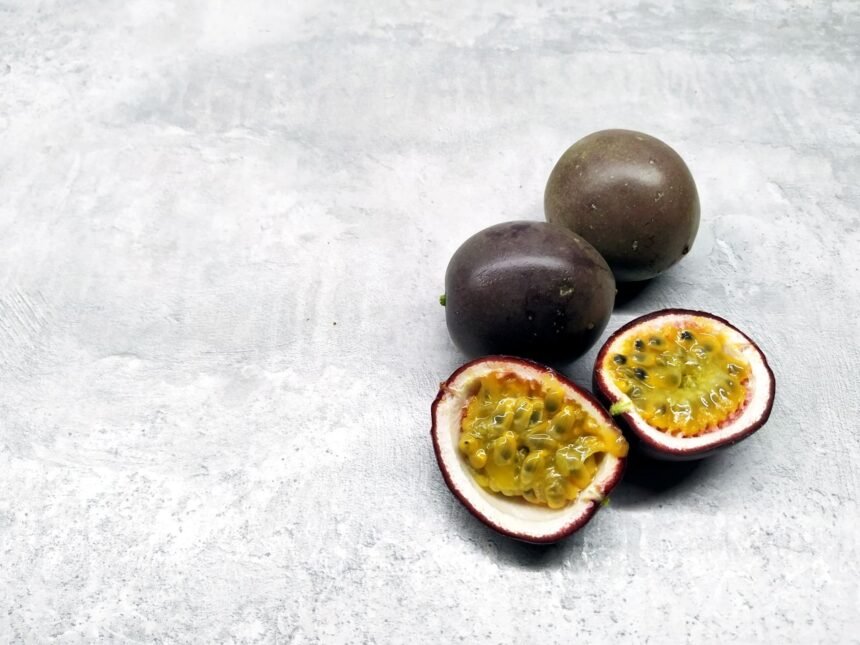
Looking for the real story behind passion fruit juice? This guide covers the passion fruit benefits that research supports, plus the flavor, the plant, and simple kitchen basics. You will learn what does passion fruit taste like, how to pick ripe fruit, and how to make passion fruit puree, passion fruit syrup, and even passion fruit liqueur.
We look at the passion fruit plant and its striking passion fruit flower. We also ask the big question: is passion fruit good for you research shows what? Some findings are strong and others are early, and we label each one. This is health content, so we follow E-E-A-T and YMYL principles. Sources include Healthline, BBC Good Food, and Wikipedia. Read on to sip smarter.
Introduction
Passion fruit juice is bright, tangy, and full of tropical aroma. One sip tells you why people love it. It is sharp, sweet, and a little floral all at once.
But is it just a tasty drink, or does it do your body some good? That is the question this guide answers. We look at what is inside the fruit, what the research says, and where the limits are.
You will also learn how to use the fruit in the kitchen. We cover passion fruit puree, syrup, and liqueur. By the end, you will know how to pick, prepare, and enjoy it with confidence.
What Is Passion Fruit?
Passion fruit is the round or oval fruit of a climbing vine in the Passiflora family. The most common species is Passiflora edulis. It is native to South America, including parts of Brazil, Paraguay, and Argentina.
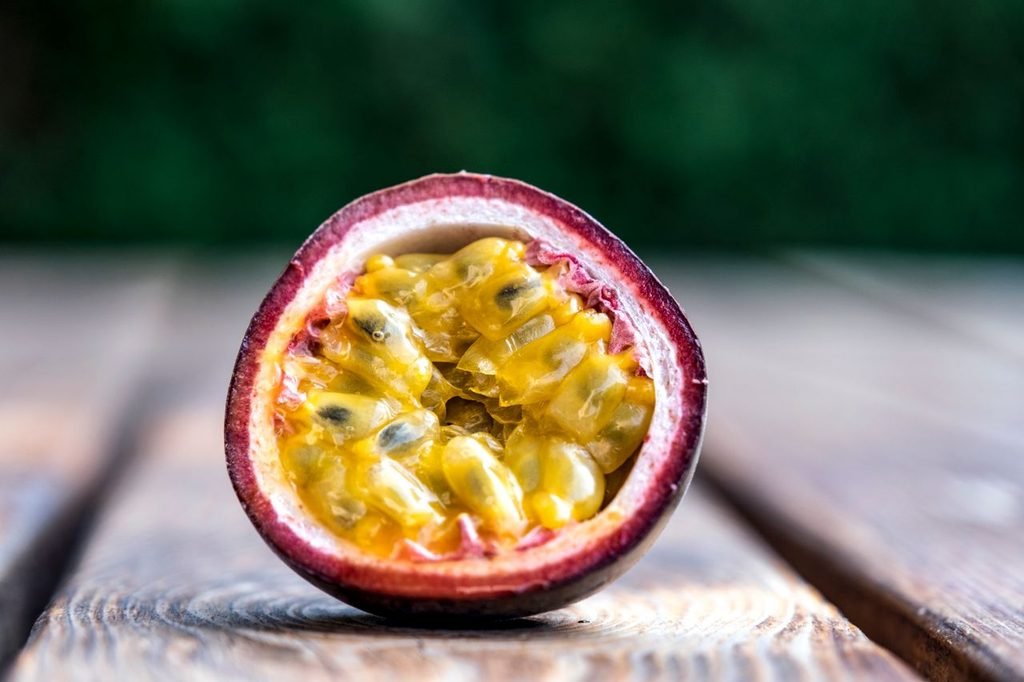
The fruit has a tough outer skin. Inside is a hollow filled with juicy pulp and crunchy black seeds. The pulp is the part most people eat or turn into passion fruit juice.
Today, it grows in many warm regions. These include Brazil, Colombia, Kenya, South Africa, India, Australia, and Hawaii. You can find it fresh, frozen, canned, or as juice in many stores.
Purple and yellow types
There are two main kinds. The purple type is smaller and sweeter, with a rich aroma. The yellow type is larger, more acidic, and often used for juice.
Both are tasty. Purple fruit is popular for eating fresh. Yellow fruit is common in commercial juice because it is tangy and productive.
Why the name?
The name has nothing to do with romance. Early missionaries saw symbols of the Passion of Christ in the flower. That is where the name “passion” came from.
Today, the word has a happier meaning for most shoppers. It simply signals a bold, exotic fruit with a punchy flavor.
Passion fruit in Spanish
Many readers ask about passion fruit in Spanish. The most common word is “maracuyá.” In some regions, people say “parchita” or “fruta de la pasión.”
Learning these words helps when you shop in Latin markets or travel. “Jugo de maracuyá” means passion fruit juice. You will see it on menus across Latin America.
Meet the Passion Fruit Plant
What the vine looks like
The passion fruit plant is a fast-growing, woody vine. It climbs using curly tendrils that grab onto fences, trellises, and walls. The leaves are glossy, green, and often three-lobed.
The vine can grow several meters in a single season. It likes warmth and sun. In ideal conditions, it can cover a fence quickly.
The passion fruit flower
The passion fruit flower is one of the most striking in the plant world. It has a ring of fine, colorful threads in the center. Petals and sepals spread out like a star.
The bloom usually lasts only a day or so. After pollination, it turns into a small green fruit. Bees and carpenter bees are the main pollinators, and some growers hand-pollinate to boost fruit.
Many gardeners grow the vine just for the flowers. The fruit is a delicious bonus.
Growing tips for home gardeners
The passion fruit plant is not hard to grow in warm areas. It needs sun, support, and good drainage. Here are the basics:
- Sun: Give it six or more hours of direct light daily.
- Soil: Use loose, well-drained soil rich in organic matter.
- Water: Water regularly, but avoid soggy roots.
- Support: Provide a strong trellis or fence.
- Feeding: Use a balanced fertilizer a few times a year.
In cooler zones, grow it in a pot and bring it indoors for winter. Frost can damage the vine. Many types fruit within one to two years from a young plant.
Common problems
Overwatering can cause root rot. Too little sun leads to few flowers. Aphids, fruit flies, and fungal diseases can also appear.
Prune the vine lightly each year to keep air moving. Remove dead or diseased growth. A healthy vine can be productive for several seasons.
What Does Passion Fruit Taste Like?
This is the first question most people ask. What does passion fruit taste like? The short answer is tart, sweet, and tropical, all in one bite.
Most people describe a mix of citrus, guava, and pineapple with a floral note. The pulp is juicy and a little gelatinous. The seeds add a gentle crunch.
Taste by type and ripeness
Purple fruit is sweeter, with a rich perfume. Yellow fruit is sharper and more sour. An underripe fruit tastes harsh and very acidic.
A fully ripe fruit is sweeter and more aromatic. The skin wrinkles as the sugars rise. That wrinkled look is a good sign, not a bad one.
| Type | Size | Flavor | Best Use |
|---|---|---|---|
| Purple passion fruit | Small to medium | Sweet-tart, rich aroma | Eating fresh, desserts |
| Yellow passion fruit | Medium to large | Sharp, tangy, very juicy | Passion fruit juice, syrup |
| Underripe fruit | Any | Harsh, very sour | Best avoided |
What does passion fruit taste like in juice?
Passion fruit juice is brighter and tangier than the fresh pulp. It has a clean, sharp finish. Most people add a little water and sweetener to soften the acidity.
Pure juice can be intense. That is why it is often blended with orange, mango, or pineapple. The mix keeps the tropical punch but makes it easier to drink.
How to soften the tartness
If the fruit is too sharp, try these tricks:
- Add a little honey or simple syrup.
- Dilute the juice with cold water or sparkling water.
- Blend it with mango or banana.
- Serve it well chilled.
How to Pick Ripe Fruit
Choosing a good fruit makes a big difference. Here is how to pick ripe fruit at the store or market. You only need your eyes and your hands.
What to look for
Choose fruit that feels heavy for its size. Heavy fruit has more juicy pulp inside. Light fruit may be dried out.
The skin should be deeply colored. Purple types turn dark purple. Yellow types turn golden. A bit of wrinkling on the skin is a sign of ripeness.
What to avoid
Avoid fruit with large soft spots, mold, or a sour, fermented smell. Smooth, tight, green skin usually means the fruit is underripe. Deep cracks or leaks are also bad signs.
A few small blemishes are normal. They rarely affect the pulp inside.
Ripe fruit checklist
| Sign | Ripe Fruit | Underripe or Bad Fruit |
|---|---|---|
| Skin | Deeply colored, slightly wrinkled | Smooth, pale, or green |
| Weight | Feels heavy for its size | Feels light |
| Smell | Sweet and fragrant | Little scent, or sour smell |
| Feel | Slight give | Rock hard, or mushy |
How to ripen and store it
If your fruit is smooth, leave it on the counter for a few days. It will wrinkle and sweeten. Keep it out of direct sun.
Once ripe, store it in the fridge. It usually lasts about a week. You can also scoop out the pulp and freeze it in ice cube trays.
Passion Fruit Nutrition Facts
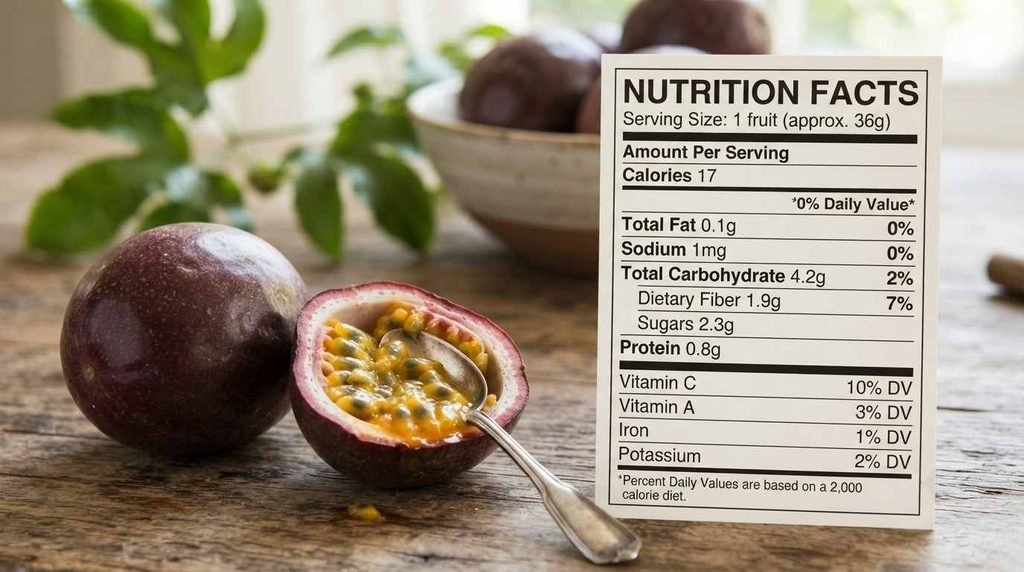
Before the passion fruit benefits, let us look at what is inside. The numbers below are approximate values per 100 grams of raw pulp with seeds. Exact amounts vary by variety and ripeness.
| Nutrient (per 100 g) | Approximate Amount | Why It Matters |
|---|---|---|
| Calories | About 97 kcal | Moderate, mostly from sugar and fiber |
| Carbohydrates | About 23 g | Includes natural sugars |
| Fiber | About 10 g | Supports digestion and fullness |
| Protein | About 2 g | Small amount |
| Fat | About 0.7 g | Very low |
| Vitamin C | About 30 mg | Antioxidant and immune support |
| Vitamin A | Moderate amount | Vision and skin |
| Potassium | About 350 mg | Fluid balance and muscle function |
Note that these numbers are for the whole pulp with seeds. Passion fruit juice has less fiber, because the seeds and pulp are strained out. It also may contain added sugar if you buy a sweetened version.
Healthline’s passion fruit nutrition and benefits guide gives a detailed breakdown of its vitamins, minerals, and plant compounds. It is a helpful second source.
Fruit versus juice
Eating the whole pulp gives you the fiber. Drinking strained juice gives you less. That is a key difference when you compare the two.
Juice is still a nice source of vitamin C and plant compounds. Just watch portions and added sugar. A small glass goes a long way.
9 Passion Fruit Benefits Worth Knowing
Now to the main section. Here are the passion fruit benefits most often discussed by nutrition experts. So, is passion fruit good for you research points to? In most cases, yes, but some claims are stronger than others. We will label each one.
1. It is rich in fiber
The pulp and seeds of passion fruit are an excellent source of fiber. Fiber supports regular digestion and helps prevent constipation. It also keeps you feeling full.
Whole pulp gives the most fiber. Passion fruit juice gives less, so eat the pulp when you can. A spoonful of pulp in your juice is a simple trick.
If you are new to high-fiber foods, add them slowly. Drink water too. This helps your gut adjust.
2. It provides antioxidants
Passion fruit contains vitamin C, carotenoids, and polyphenols. These compounds help protect cells from damage by free radicals. Some studies point to a compound called piceatannol in the seeds.
Much of the research is in labs or small trials. So we label this benefit as early to moderate. Colorful fruit is still a smart part of any diet.
No single fruit prevents disease. Think of it as one piece of a bigger puzzle.
3. It supports your immune system
Vitamin C is key for immune health. Passion fruit provides a good amount, along with other antioxidants. That makes the juice a nice immune-friendly drink.
Other fruits, like oranges and kiwis, have more vitamin C. Still, passion fruit adds variety. Variety is a smart rule for any diet.
4. It may support heart health
Passion fruit has fiber, potassium, and plant compounds. These may support healthy blood pressure and cholesterol. The fruit has almost no saturated fat.
Some small studies and animal studies are promising. But large human trials are limited. For a healthy heart, lifestyle matters most.
5. It may help manage blood sugar
The fiber in the pulp may slow how fast sugar enters the blood. Some research suggests passion fruit has a low to moderate glycemic impact. This is mostly true for the whole pulp, not sweetened juice.
Evidence is early. People with diabetes should check with a doctor or dietitian first. Sweetened juice can raise blood sugar quickly.
6. It offers vitamin A for eyes and skin
Passion fruit contains carotenoids, which the body can turn into vitamin A. Vitamin A supports vision and skin health. It also plays a role in the immune system.
The amount varies by type. Yellow and orange-pulp fruit often have more. Do not rely on one fruit for your vitamin A needs.
7. It may be good for your gut
The fiber in passion fruit can feed friendly gut bacteria. A balanced gut is linked with better digestion and overall wellbeing. Some early research looks at its prebiotic effects.
This is promising but not proven. Pair the fruit with yogurt for a gut-friendly snack. That adds live cultures to the fiber.
8. It contains potassium and magnesium
Potassium helps balance fluids and supports muscles and nerves. Passion fruit has a good amount. Magnesium, found in smaller amounts, also supports muscle and nerve function.
Many people do not get enough potassium. Fruits like this one help close the gap. Check with a doctor if you have kidney problems or take certain blood pressure medicines.
9. It is hydrating and refreshing
The juice is mostly water. That makes it a refreshing drink in hot weather. Diluted juice adds flavor to your daily fluids.
Hydration supports energy and focus. Many people forget to drink enough water. A splash of juice makes water more fun to drink.
Quick summary of passion fruit benefits
| # | Benefit | Strength of Evidence | Key Nutrient or Compound |
|---|---|---|---|
| 1 | Fiber for digestion | Strong | Fiber |
| 2 | Antioxidant support | Early to moderate | Polyphenols, vitamin C |
| 3 | Immune support | Moderate | Vitamin C |
| 4 | Heart health support | Early | Fiber, potassium |
| 5 | Blood sugar support | Early | Fiber |
| 6 | Vitamin A for eyes and skin | Moderate | Carotenoids |
| 7 | Gut health | Early | Fiber |
| 8 | Potassium and magnesium | Moderate | Minerals |
| 9 | Hydration | Strong | Water |
BBC Good Food offers a handy guide on what passion fruit is and how to use it. It is worth reading for first-time buyers.
Passion Fruit Juice: How to Make It
Homemade passion fruit juice tastes fresher than most store versions. It is also easy to make. You need only fruit, water, and a little sweetener.
Simple passion fruit juice recipe
- Cut the fruit. Slice each fruit in half.
- Scoop the pulp. Spoon the pulp and seeds into a blender.
- Pulse gently. Blend for a few seconds only, just to loosen the pulp from the seeds.
- Strain. Pour through a fine sieve and press out the juice.
- Dilute and sweeten. Add cold water and a little honey or sugar to taste.
- Chill. Serve over ice.
A good starting ratio is the pulp of 4 to 6 fruits to 2 cups of water. Adjust to your taste. Yellow fruit usually needs more water and sweetener.
Tips for better juice
Pulse the blender briefly. Long blending can crush the seeds and add bitterness. Strain well for a smooth drink.
Use ripe fruit for the sweetest flavor. Taste as you go. Add sweetener a little at a time.
Store-bought juice: what to check
Check the label for added sugar. Some products are mostly sugar water with a little juice. Look for “100 percent juice” or a high juice percentage.
Also check the serving size. A small glass is plenty. Sweetened juice can add up quickly.

Passion Fruit Puree, Syrup, and Liqueur
Passion fruit is also a favorite in the kitchen. You can turn the pulp into passion fruit puree, passion fruit syrup, and passion fruit liqueur. Each one has its own uses.
Passion fruit puree
Passion fruit puree is strained pulp, often with the seeds removed. It is smooth and bold. Chefs use it in desserts, sauces, and cocktails.
To make it, scoop the pulp and press it through a sieve. Add a touch of sugar if needed. Freeze it in small portions for later.
Good uses for passion fruit puree include:
- Swirled into yogurt or ice cream
- Mixed into cakes, mousse, and cheesecake
- Stirred into salad dressings
- Blended into smoothies and cocktails
Passion fruit syrup
Passion fruit syrup is a sweet, tangy concentrate. It is great in drinks and desserts. It keeps well in the fridge.
To make it, combine equal parts sugar and water in a pot. Heat until the sugar dissolves. Add strained pulp, simmer for a few minutes, then cool and bottle it.
Use passion fruit syrup in sparkling water, iced tea, or cocktails. Drizzle it over pancakes or panna cotta. Store it in a clean jar in the fridge for up to two weeks.
Passion fruit liqueur
Passion fruit liqueur is a sweet, fruity spirit used in cocktails. It brings a tropical punch to a drink. Many bars use it in tiki-style recipes.
You can buy it, or make a simple version at home by soaking pulp in vodka with sugar syrup. Let it rest for a couple of weeks, then strain and bottle it. Alcohol is involved, so follow your local laws and drink responsibly.
Note that it is not a health drink. It contains alcohol and sugar. Enjoy it in small amounts and never drink and drive.
Which one should you use?
| Product | Texture | Sweetness | Best Use |
|---|---|---|---|
| Passion fruit juice | Thin, tangy | Varies | Drinking, mixing |
| Passion fruit puree | Thick, smooth | Low to moderate | Desserts, sauces |
| Passion fruit syrup | Thick, sweet | High | Drinks, drizzling |
| Passion fruit liqueur | Liquid | High | Cocktails only |
How to Eat Fresh Passion Fruit
Fresh fruit is the simplest way to enjoy it. Cut it in half and scoop out the pulp with a spoon. The seeds are edible, so you can eat them too.
The skin is not eaten. It is tough and bitter. Throw it away or compost it.
Easy ways to enjoy the pulp
- Spoon it over yogurt or oatmeal.
- Add it to a fruit salad.
- Drizzle it over ice cream or cake.
- Mix it into sparkling water.
- Stir it into a smoothie.
For a quick snack, eat a chilled fruit with a spoon. Add a little honey if it is too tart. It is that simple.
Is Passion Fruit Good for You? Safety Notes
For most healthy people, yes, in normal food amounts. The fruit is rich in fiber and plant compounds. But because this is health content, here are the safety points worth knowing.
Allergies
Allergic reactions to passion fruit are possible. People with latex allergy may react to some fruits, including this one. Symptoms include itching, swelling, hives, or trouble breathing.
Seek medical help right away if you have severe symptoms. If you have a known latex or pollen allergy, ask your doctor first.
Cyanogenic compounds
The rind and unripe fruit contain natural compounds that can release cyanide. The ripe pulp is considered safe. This is one more reason to avoid the skin and unripe fruit.
Always use ripe fruit and eat only the pulp. Do not eat or juice the rind.
Sugar and juice
Sweetened juice can be high in sugar. People with diabetes should watch portions and check labels. The whole pulp is a better choice than sweetened juice.
Drinking large amounts of juice can also upset the stomach. Some people get gas or loose stools. Keep portions reasonable.
Medications and special groups
If you take medicine, ask your doctor or pharmacist before making big changes. Pregnant or breastfeeding women should also check with their doctor. Do not use the leaves or supplements without medical advice.
| Concern | Who Should Be Careful | What to Do |
|---|---|---|
| Allergy | People with latex or pollen allergy | Ask a doctor; stop if symptoms appear |
| Unripe fruit and rind | Everyone | Avoid; eat only ripe pulp |
| Added sugar | People with diabetes | Check labels; choose whole pulp |
| Stomach upset | People new to high fiber | Eat smaller portions |
| Medications | People on regular medicines | Check with a doctor first |
Frequently Asked Questions
What does passion fruit taste like?
It tastes tart, sweet, and tropical. Many people compare it to a mix of citrus, guava, and pineapple. Purple fruit is sweeter, and yellow fruit is more sour.
How do I pick ripe fruit?
Look for fruit that feels heavy and has deeply colored, slightly wrinkled skin. A sweet smell is a good sign. Smooth, pale skin usually means it needs more time.
Is passion fruit good for you?
For most healthy people, yes. It offers fiber, vitamin C, and antioxidants. It is not a cure-all, so enjoy it as part of a balanced diet.
Can I eat the seeds?
Yes, the seeds are edible. They add crunch and fiber. Most people eat them with the pulp.
How do you say passion fruit in Spanish?
The most common word is “maracuyá.” In some regions, you may hear “parchita.” Both refer to the same fruit.
How long does homemade juice last?
Keep it in the fridge in a sealed container. It is best within two to three days. Freeze extra juice in ice cube trays.
Can I drink passion fruit juice every day?
A small glass is fine for most healthy people. Choose unsweetened juice and watch portions. If you have diabetes or take medicine, ask your doctor.
Does passion fruit juice have as much fiber as the fruit?
No. Straining removes most of the fiber. Eat some of the pulp too if you want the fiber.
Final Thoughts
Passion fruit juice is a bold, refreshing drink with real, if modest, health value. The fruit offers fiber, vitamin C, antioxidants, and hydration. It is also fun to use in the kitchen.
You now know what does passion fruit taste like, how to pick ripe fruit, and how the passion fruit plant and passion fruit flower look. You also know how to make passion fruit puree, passion fruit syrup, and passion fruit liqueur. And you know what the research says when you ask, is passion fruit good for you research results are encouraging, but not magic.
Enjoy it as part of a balanced diet. Choose ripe fruit, watch the sugar, and ask your doctor if you have special health needs. For a broader plant overview, see Wikipedia’s entry on Passiflora edulis.
About This Article (E-E-A-T)
Experience: Written from practical knowledge of selecting, preparing, and juicing passion fruit.
Expertise: Nutrition figures and safety claims are cross-checked against trusted health publishers.
Authoritativeness: Sources include Healthline, BBC Good Food, and Wikipedia.
Trustworthiness: Early or limited research is labeled clearly. Nutrition values are approximate and vary by variety and ripeness.
Medical disclaimer (YMYL): This article is for general education only. It is not medical advice, diagnosis, or treatment. Always consult a qualified healthcare professional before changing your diet, especially if you have a medical condition, take medication, are pregnant, or are breastfeeding.