


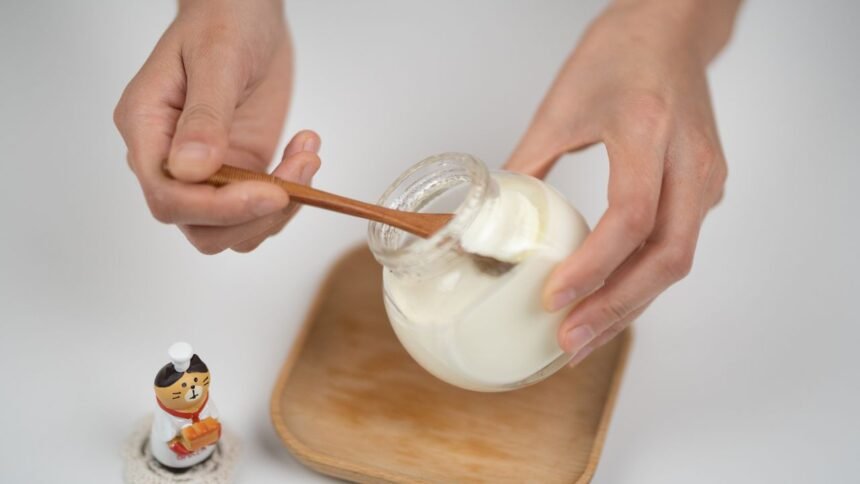
Looking for the right probiotic yogurt? This friendly guide explains what it is, how it works, and how to pick the best option without wasting money. You will learn the real difference between prebiotics and probiotics, which fiber-rich prebiotic snacks feed your gut bacteria, and easy ways to track your daily intake.
We compare popular choices such as Activia, Stonyfield, Nancy’s and Coconut Cult, look at drinkable options, and explain how a home yogurt maker fits in. Every tip is written in plain language, with clear tables and short paragraphs, so you can scan, learn and act.
We also cover label reading, common mistakes, and safety notes for people with health conditions. The advice follows E-E-A-T principles and treats this as a YMYL topic, so claims stay careful and honest. This content is for education only, not medical advice, so talk to a healthcare professional about personal concerns.
Introduction: Why Everyone Is Talking About Gut Health
Walk into any grocery store and you will see a wall of probiotic yogurt options. Cups, tubs, drinks and plant-based jars all promise a happier belly. It is easy to feel lost, and even easier to overspend.
The good news is that the basics are simple. A probiotic yogurt is a fermented food that contains live bacteria, and some of those bacteria may support digestion. Once you know what to look for, shopping gets much easier.
In this guide, we keep things practical. You will learn how these yogurts work, how to compare brands, and how to pair them with fiber-rich foods. By the end, you will have a clear plan you can follow this week.
About This Guide: E-E-A-T and YMYL
This article follows E-E-A-T, which stands for experience, expertise, authoritativeness and trustworthiness. It relies on well-established nutrition knowledge, such as how fermentation works and how fiber feeds gut bacteria. It avoids miracle claims and hype.
Food and health topics are YMYL, or “Your Money or Your Life,” because they can affect your wellbeing and your wallet. So we keep statements careful, and we flag where research is still mixed. Where a claim depends on a specific product, we ask you to check the label yourself.
We do not name any studies we cannot stand behind, and we do not promise cures. If you have a medical condition, are pregnant, or take medicines that affect your immune system, speak with a doctor first. Think of this guide as a starting point, not a prescription.

What Is Probiotic Yogurt?
Yogurt is made when milk is fermented by friendly bacteria, usually Lactobacillus bulgaricus and Streptococcus thermophilus. These bacteria turn milk sugar, called lactose, into lactic acid. That is what gives yogurt its tangy taste and thick texture.
A probiotic yogurt goes one step further. It contains live microbes that are intended to survive until you eat them, and sometimes extra strains are added on top of the basic two. Common extras include Bifidobacterium and Lactobacillus acidophilus.
Not every yogurt on the shelf still holds live bacteria. Some are heat-treated after fermentation, which kills them. That is why reading the label matters more than trusting the front of the package.
How Probiotic Yogurt Works in Your Gut
Your digestive system is home to trillions of microbes, together called the gut microbiome. Some are helpful, some are neutral, and a few can cause trouble when they take over. A balanced mix is linked with smoother digestion and better overall comfort.
When you eat probiotic yogurt, you add more live microbes to that mix. Some may pass through your system and interact with your gut lining and your resident bacteria. Researchers are still learning exactly how, and the effects can depend on the strain and the person.
It helps to remember that probiotics are visitors, not permanent residents. For most people, benefits last only while you keep eating them. That is why regular, steady intake beats occasional bursts.
Difference Between Prebiotic and Probiotic
This is the question people ask most, and the answer is short. Probiotics are live bacteria. Prebiotics are food for those bacteria.
Think of a garden. Probiotics are the seeds and plants, while prebiotics are the fertilizer and water. You need both for the garden to thrive, which is why smart eaters combine them.
Prebiotics are mostly types of fiber that your body cannot digest. They travel to your large intestine, where gut bacteria ferment them. Common examples include inulin, resistant starch and certain fibers found in onions, garlic and oats.
Table 1: Prebiotic vs Probiotic at a Glance
| Feature | Probiotic | Prebiotic |
|---|---|---|
| What it is | Live, helpful microbes | Fiber that feeds microbes |
| Typical sources | Yogurt, kefir, kimchi, sauerkraut | Oats, bananas, garlic, onions, beans |
| Alive? | Yes | No |
| Main job | Adds beneficial bacteria | Nourishes existing bacteria |
| Affected by heat? | Yes, cooking can kill them | Mostly stable |
| Best used | Daily, in small servings | Daily, spread across meals |
| Combined name | Synbiotic when eaten together | Synbiotic when eaten together |
Why Pairing Both Is a Smart Move
When you eat probiotics and prebiotics together, the combination is sometimes called a synbiotic. The idea is simple. You bring in good bacteria, and you feed them at the same time.
A bowl of probiotic yogurt topped with banana slices and oats is a perfect example. The yogurt supplies live cultures, while the banana and oats supply fiber. It takes two minutes and costs very little.
You do not need a perfect plan. Even small habits, like adding berries or chia seeds to your yogurt, make a difference over time. Consistency is more important than complexity.
What to Look for on the Label
Start with the words “live and active cultures.” In the United States, a voluntary seal from the National Yogurt Association means the product had at least 100 million cultures per gram when it was made. That is a helpful signpost, though the number can fall as the product ages.
Next, check the ingredient list for named strains, such as Bifidobacterium animalis or Lactobacillus acidophilus. Specific strain names are better than vague phrases. If the label simply says “cultured milk,” you cannot tell much about what is inside.
Finally, look for the phrase “heat-treated after culturing.” If you see it, the live bacteria are gone, and it is not a true probiotic yogurt. Also watch the sugar count, because some cups contain as much as a dessert.
Table 2: Label-Reading Cheat Sheet
| Label Clue | What It Means | Good or Bad? |
|---|---|---|
| Live and active cultures | Bacteria were alive at production | Good |
| Named strains listed | You can see what you are getting | Good |
| Heat-treated after culturing | Bacteria were killed | Not probiotic |
| Added sugar over 12g per cup | Closer to dessert than health food | Be careful |
| Short ingredient list | Less processing | Usually good |
| Best-by date far away | Cultures may have declined | Check freshness |
| Plain or unsweetened | Lets you control sweetness | Good |

Best Probiotic Yogurt: How to Choose
People often search for the best probiotic yogurt, but “best” depends on your needs. A person with lactose sensitivity needs different things than a vegan or a busy parent. So start by asking what matters most to you.
For most adults, a plain, unsweetened probiotic yogurt with live cultures is the strongest everyday pick. You can add fruit, honey or nuts yourself. That way, you control sugar and avoid artificial flavors.
Also consider protein, fat level and price. Greek-style yogurts usually have more protein, while regular styles are lighter and often cheaper. Pick the one you will actually enjoy eating, because the best food is the one you stick with.
Activia Probiotic Yogurt
Activia probiotic yogurt is one of the most recognized names in the category. It is known for containing a specific strain of Bifidobacterium animalis, which the brand has featured in its marketing. It comes in many flavors, along with low-fat and Greek-style versions.
Some people like it because it is easy to find and easy to eat. Others find the flavored cups too sweet for daily use. Compare the sugar numbers across flavors before you buy.
If you like it, plain versions are usually the better everyday option. As with any product, claims about digestive benefits can vary from person to person. Read the current label and decide what fits your goals.
Stonyfield Probiotic Yogurt
Stonyfield probiotic yogurt is popular with shoppers who prefer organic dairy. The brand offers plain, whole-milk, low-fat and flavored lines, and it lists live and active cultures on its packaging. Many people like the clean, tangy flavor of the plain tubs.
A big advantage is flexibility. A large plain tub can become breakfast bowls, smoothies, sauces and dips. That makes it good value for families.
As always, check the label for the latest ingredients and culture names, since products change over time. Flavored cups can add sugar quickly. Plain yogurt plus fresh fruit gives you more control.
Nancy’s Probiotic Yogurt
Nancy’s probiotic yogurt is a smaller, well-liked brand known for its tangy, creamy texture. It has a loyal following among people who enjoy strongly cultured dairy. The brand also makes cultured dairy-free options and other fermented products.
Shoppers often choose it because the labeling highlights live cultures. Availability may depend on where you live, so you may not find it in every store. If you do, compare the strain list and sugar content with other brands.
Taste is personal. Some people love the extra tang, while others prefer milder yogurts. If you are trying it for the first time, buy a small cup before committing to a big tub.
Coconut Cult Probiotic Yogurt
Coconut Cult probiotic yogurt is a dairy-free option made from fermented coconut. It appeals to people who avoid dairy or want a plant-based choice. It is usually sold refrigerated and has a thick, rich texture.
This type of product often costs more than regular yogurt. Ingredients and culture counts can vary, so read the current label carefully. Also check for added sweeteners, since some coconut products include them.
Dairy-free yogurts do not always have the same protein level as dairy-based ones. If protein matters to you, compare the numbers. For a gut-focused plan, pair it with high-fiber fruits and seeds.
Table 3: Popular Brand Snapshot
| Brand | Base | Best For | Things to Check |
|---|---|---|---|
| Activia | Dairy | Easy-to-find everyday option | Sugar in flavored cups |
| Stonyfield | Organic dairy | Plain tubs for the whole family | Flavored varieties’ sugar |
| Nancy’s | Dairy and some plant-based lines | Fans of a tangier taste | Local availability |
| Coconut Cult | Fermented coconut | Dairy-free eaters | Price and protein level |
| Plain store brand | Dairy | Budget shoppers | Live-culture seal on label |
Note: Brand recipes, strains and prices change often. Use this table as a starting point and confirm details on the current package.
Probiotic Yogurt Drink: Is It Worth It?
A probiotic yogurt drink is a convenient option for busy mornings. You can sip it in the car, at your desk or after a workout. Many are thin, tangy and easy to digest.
The main downside is sugar. Many bottled drinks contain more added sugar than a spoonable yogurt. Look for options with fewer than about 10 grams of sugar per serving, if you can find them.
Kefir is a related fermented drink that often contains a wider mix of microbes. Some people prefer it for variety. Whether you choose a yogurt drink or kefir, check that the label lists live cultures.
Ultimate Probiotic Yogurt Maker: Making It at Home
Some people prefer to make their own probiotic yogurt at home. A yogurt maker keeps milk at a steady, gentle warmth for several hours, which helps the bacteria grow. One product people search for is the ultimate probiotic yogurt maker, which is sold for home use.
The basic process is simple. Warm the milk, cool it slightly, stir in a starter culture, and let it ferment in the maker. Cleanliness matters, because unwanted bacteria can spoil the batch.
Home yogurt can save money and let you control the ingredients. Culture counts can vary from batch to batch, though, and it can be hard to know exactly what you made. Follow the instructions that come with your maker and starter, and discard anything that smells or looks wrong.
Who May Want to Be Careful with Probiotic Yogurt
For most healthy adults, eating probiotic yogurt is considered safe. The most common side effects are mild gas or bloating, especially in the first week or two. These often settle as your body adjusts.
People with weakened immune systems, serious illness, or central lines should talk to a doctor before using probiotic products. In rare cases, live microbes can cause infections in vulnerable people. This is why medical guidance matters.
If you are lactose intolerant, many people tolerate yogurt better than milk, because fermentation reduces lactose. Still, try a small amount first. If you have a milk allergy, a dairy-based yogurt is not safe, and you should choose a dairy-free alternative.
Top Fiber-Rich Prebiotic Snacks
Now for the fun part. Prebiotic snacks are easy to find, and many are already in your kitchen. They work best when you spread them through the day.
Oats are a classic choice. They contain fibers that gut bacteria enjoy, and they pair beautifully with probiotic yogurt in overnight oats. Bananas, especially slightly underripe ones, offer a gentle source of resistant starch.
Other favorites include apples, berries, chickpeas, lentils, almonds, chia seeds, flaxseed, garlic, onions, asparagus and chicory root. You do not need all of them. Pick a few you enjoy, and rotate them.
Table 4: Fiber-Rich Prebiotic Snacks and Easy Ways to Eat Them
| Snack | Why It Helps | Easy Way to Enjoy |
|---|---|---|
| Oats | Contains beta-glucan fiber | Overnight oats with yogurt |
| Banana | Resistant starch and fiber | Sliced into a yogurt bowl |
| Apple with skin | Pectin fiber | Chopped with cinnamon |
| Chia seeds | High in soluble fiber | Stirred into yogurt |
| Flaxseed (ground) | Fiber and healthy fats | Sprinkled on a smoothie |
| Chickpeas | Fiber and plant protein | Roasted as a crunchy snack |
| Almonds | Fiber and healthy fats | A small handful with fruit |
| Berries | Fiber and antioxidants | Mixed into plain yogurt |
| Garlic and onion | Inulin-type fibers | Cooked into dips and sauces |
Build a Gut-Friendly Yogurt Bowl
Here is a simple bowl you can make in three minutes. Start with half a cup to one cup of plain probiotic yogurt. Add a handful of berries and half a sliced banana.
Next, sprinkle on a spoonful of oats or granola with low sugar. Add a teaspoon of chia or ground flaxseed. Finish with a few chopped almonds for crunch.
This bowl combines live cultures with several types of fiber. It also keeps you full, which can help control snacking. Adjust the portions to fit your appetite and your goals.
Easy Ways to Track Intake
Tracking sounds like a chore, but it can be very simple. You are not counting every bacterium. You are just checking whether you eat fermented foods and fiber regularly.
The easiest method is a daily checklist on paper or in your phone’s notes app. Write two lines: “Probiotic food today” and “Fiber foods today.” Tick them off, and you will see patterns within a week.
If you like apps, a food diary app can show your daily fiber grams. Many health authorities suggest adults aim for roughly 25 to 38 grams of fiber a day, depending on age and sex. Increase fiber slowly, and drink water, to avoid stomach discomfort.
A Simple Weekly Tracking Method
Try a seven-day grid. Make columns for each day, and rows for “yogurt or fermented food,” “prebiotic snack,” “water” and “how I feel.” Fill it in at the end of each day, and keep it honest.
After one week, look for trends. Did you feel less bloated on days you ate fiber and yogurt together? Did certain foods cause discomfort? These notes can help you and your doctor if you need advice.
Do not chase perfection. Missing a day is fine, and a loose routine beats a strict plan you quit. The goal is steady habits that fit your life.
How Much Probiotic Yogurt Should You Eat?
There is no single official amount of probiotic yogurt that works for everyone. For most people, one serving a day, around half a cup to one cup, is a sensible and practical starting point. You can adjust based on how you feel.
More is not always better. Large amounts of yogurt can add extra calories and sugar, especially with flavored types. A moderate, consistent amount is usually enough.
If you experience ongoing discomfort, reduce your portion and talk with a healthcare professional. Everyone’s gut is different. Your own experience is a useful guide.
Common Mistakes to Avoid
The first mistake is buying yogurt based on the front label alone. Always check the back for live cultures and sugar. The second mistake is choosing heavily sweetened cups and assuming they are healthy.
The third mistake is expecting instant results. Gut changes take time, and many people need a few weeks to notice anything. The fourth mistake is ignoring fiber, which gives your good bacteria the fuel they need.
Another mistake is heating your yogurt. Hot soups and baked dishes can kill live cultures. If you want the probiotic benefit, add yogurt after cooking, or eat it cold.
Smart Storage and Freshness Tips
Keep yogurt in the refrigerator at all times. Warm temperatures can cause live cultures to decline faster. Do not leave it on the counter for long periods.
Check the best-by date, and try to eat it before then. Live cultures slowly decrease as the product ages, so fresher is generally better. Always use a clean spoon, which helps prevent contamination.
If your yogurt smells off, shows mold, or has an unusual color, throw it away. A little liquid on top, called whey, is normal and can be stirred back in. When in doubt, do not eat it.
Plain vs Flavored: The Sugar Reality
Plain probiotic yogurt has only the natural sugar from milk, called lactose. Flavored cups often add several teaspoons of extra sugar. Over a week, that adds up faster than most people expect.
A simple trick is to buy plain and flavor it yourself. A spoon of honey, a handful of berries or a little vanilla extract gives sweetness with more control. You can slowly use less over time, and your taste buds will adjust.
If you cannot give up flavored cups, compare labels and choose the lowest-sugar option. Mixing half a flavored cup with half a plain cup is another easy compromise. Small changes like this make a daily habit healthier without making it boring.
Understanding Probiotic Strains in Simple Terms
A strain is like a specific “breed” within a bacterial family. For example, Lactobacillus is a genus, acidophilus is a species, and a longer code identifies the exact strain. Different strains can behave differently in the body.
This is why researchers say probiotic effects are strain-specific. A benefit seen with one strain does not automatically apply to another. When a brand names its strain on the label, it gives you something to look up.
You do not need to memorize any codes. Just prefer products that list their cultures clearly over those that hide them behind vague wording. Transparency is a good sign of quality.
Yogurt vs Kefir vs Supplements
Many people wonder whether they should eat probiotic yogurt, drink kefir or take a capsule. Each option has strengths, and none is automatically superior. The best choice depends on your goals and your budget.
Yogurt is familiar, tasty and also provides protein and calcium. Kefir is a drinkable fermented milk that often contains a wider range of microbes. Supplements offer a measured dose of specific strains, but they lack the nutrients found in whole foods.
For most people, food is a gentle and enjoyable starting point. If you are considering a supplement for a medical reason, speak with a doctor or registered dietitian first. They can help you choose a product that matches your situation.
Probiotic Yogurt for Different Lifestyles
Kids can enjoy probiotic yogurt as a snack, often in smaller portions. Choose plain or low-sugar options, and add fruit for sweetness. For babies and toddlers, ask a pediatrician before introducing new foods or probiotic products.
Athletes often like yogurt because it combines protein with easy-to-digest carbohydrates. A bowl after training, topped with fruit and oats, makes a simple recovery snack. Greek-style options provide extra protein for people with higher needs.
Older adults may value yogurt because it is soft, nutritious and easy to eat. Vegans can choose coconut, almond or soy-based cultured options. Whatever your lifestyle, check that the label shows live cultures, because not all plant-based yogurts contain them.
Common Myths About Probiotic Yogurt
The first myth is that all yogurt is probiotic. In reality, some products are heat-treated after fermentation, which removes the live bacteria. Always look for the live-culture claim.
The second myth is that more bacteria always means better results. Quality, strain and consistency matter more than a huge number on the label. The third myth is that probiotic yogurt is a cure-all, which it is not.
Another myth says probiotics work instantly. Most people need a few weeks of steady use to judge how they feel. And finally, some believe fermented foods replace a balanced diet, but they work best as one part of healthy eating.

Three Easy Ways to Use Probiotic Yogurt in Meals
First, blend it into a smoothie. Combine one cup of plain probiotic yogurt with a banana, a handful of spinach and a spoon of ground flaxseed. It takes two minutes and gives you fiber, protein and live cultures.
Second, use it as a creamy dip. Stir yogurt with grated cucumber, a little garlic and lemon juice for a tangy sauce. Serve it with raw vegetables or whole-grain pita for extra fiber.
Third, make a parfait. Layer yogurt with berries, oats and chopped nuts in a glass. It looks fancy, but it is almost effortless, and it works for breakfast or dessert.
A Simple Three-Day Gut-Friendly Eating Plan
Day one: start with overnight oats made with probiotic yogurt and chia seeds. At lunch, enjoy a chickpea salad with onions and olive oil. For dinner, try lentil soup with a side of cooked asparagus.
Day two: have a smoothie with yogurt, banana and berries. Snack on an apple with almonds. Dinner could be a vegetable stir-fry with garlic and brown rice.
Day three: enjoy a yogurt parfait with oats and fruit. Have a bean and vegetable wrap for lunch. Finish with a simple dinner of baked fish, roasted vegetables and a small bowl of yogurt with cinnamon.
This plan is only an example, not medical advice. Adjust it to your tastes, allergies and calorie needs. Add fiber gradually, so your gut can adapt comfortably.
Budget Tips for Buying Probiotic Yogurt
You do not need the most expensive tub to get a good probiotic yogurt. Store brands often list live cultures at a lower price. Compare the label, not the packaging.
Buy larger tubs of plain yogurt instead of single-serve cups. They usually cost less per serving and create less waste. You can portion them at home into small containers for easy grab-and-go snacks.
Watch for sales, but check the best-by date before stocking up. Fresher yogurt generally contains more live cultures. And if you enjoy cooking, a home yogurt maker can reduce long-term costs.
Other Fermented Foods Worth Trying
Variety helps keep meals interesting. Besides yogurt, you can try kefir, sauerkraut, kimchi, miso, tempeh and kombucha. Look for refrigerated, unpasteurized versions when you want live cultures.
Remember that cooking can kill live bacteria, so add fermented foods at the end of the meal. Some of these foods are salty, so watch your sodium if you have high blood pressure. Start with small portions, and see how your body responds.
Mixing different fermented foods may give you a wider range of microbes. It also makes eating more fun. A spoon of sauerkraut on a sandwich or a bit of miso in a warm broth is an easy start.
Signs It May Be Time to See a Doctor
Mild bloating when you first add probiotic yogurt or fiber is common and usually passes. However, some symptoms deserve medical attention. These include severe or persistent stomach pain, blood in the stool, unexplained weight loss, fever or ongoing diarrhea.
Do not use yogurt or supplements to treat serious symptoms on your own. A healthcare professional can find the real cause and suggest proper treatment. Early advice is always better than waiting.
Also tell your doctor about any probiotic products you use, especially before surgery or when starting new medicines. This simple step helps keep you safe. Good health decisions are always made with accurate information.
Frequently Asked Questions
What is probiotic yogurt? It is yogurt that contains live, beneficial bacteria. Always check the label for live and active cultures.
What is the difference between prebiotics and probiotics? Probiotics are live bacteria, while prebiotics are fibers that feed those bacteria. Eating both together is a smart habit.
Which is the best probiotic yogurt? It depends on your needs. A plain, unsweetened option with live cultures and a short ingredient list is a strong everyday choice.
Is a probiotic yogurt drink as good as spoonable yogurt? It can be, if it lists live cultures and has low added sugar. Many drinks are sweeter, so check the label.
Can I make probiotic yogurt at home? Yes, with a yogurt maker and a starter culture. Keep everything clean, and follow the instructions carefully.
Is probiotic yogurt safe for everyone? It is safe for most healthy people, but those with weakened immune systems should ask a doctor first. People with milk allergies should avoid dairy-based versions.
Conclusion: Start Small, Stay Consistent
A good probiotic yogurt is simple to find once you know the basics. Look for live and active cultures, named strains, low added sugar and a short ingredient list. Then choose the brand and style that fits your taste and budget.
Remember the key difference. Probiotics are the live bacteria, and prebiotics are the fiber that feeds them. Together, they make a strong team for everyday gut care.
Start with one serving a day, add a few fiber-rich snacks, and track your habits for a week. Notice how you feel, and adjust slowly. And if you have any health concerns, talk with a qualified healthcare professional before making big changes.
Disclaimer: This article is for educational purposes only and is not medical advice. Consult a qualified healthcare professional before changing your diet or starting any supplement.