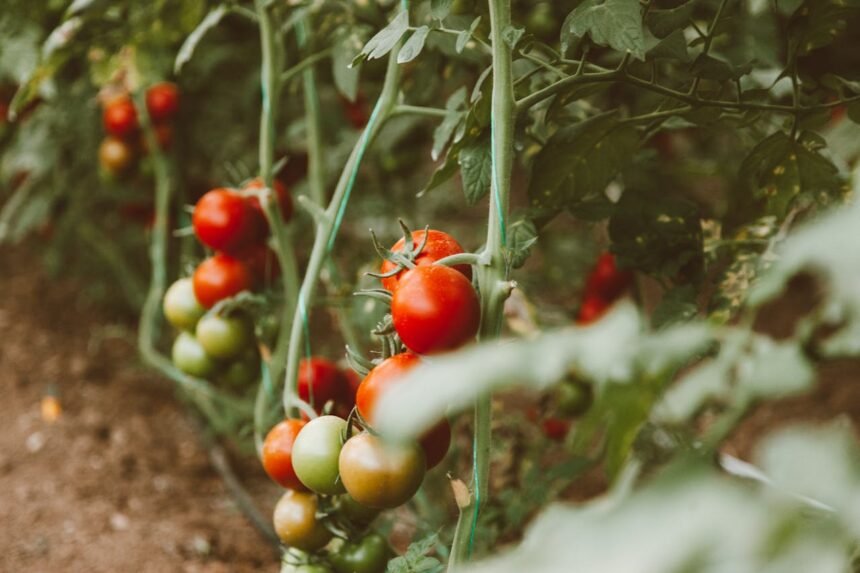
Growing your own tomatoes is one of the most rewarding experiences for a UK gardener. There is simply no comparison between the bland, uniform supermarket varieties and the explosion of sweet, tangy flavour found in a home-grown tomato warm from the sun.
Beyond the culinary benefits, gardening offers significant mental health improvements, reducing stress and connecting you with nature. However, the British climate can be unpredictable. Successfully ripening a crop requires specific knowledge about timing, varieties, and care.
Whether you have a sprawling allotment, a modest greenhouse, or just a sunny balcony, cultivating tomatoes is achievable with the right approach. By understanding the plant’s lifecycle and nutritional needs, you can ensure a bountiful harvest.
This article explains everything you need to know about growing tomatoes in the UK, from selecting seeds to preventing common diseases.
Overview
Tomatoes (Solanum lycopersicum) are tender perennials usually grown as annuals in the UK. Because they originate from South America, they crave warmth and sunlight—two things that can occasionally be in short supply during a British summer.
To succeed, you must mimic their natural environment as closely as possible. This involves starting them indoors early in the year to extend the growing season. In the UK, tomatoes are generally categorised into two main growth habits: cordon (indeterminate) and bush (determinate).
Cordon varieties grow tall and require support from canes or string. They are commonly grown in greenhouses to maximise space. Bush varieties are more compact and require less maintenance, making them ideal for hanging baskets or patio pots.
Nutritionally, tomatoes are a powerhouse. They are a significant source of the antioxidant lycopene, which has been linked to numerous health benefits, including reduced risk of heart disease and cancer.
Symptoms and causes of common growing failures
Even experienced gardeners face challenges. Understanding why a tomato plant fails to thrive is the first step toward a healthy crop. The “symptoms” of a struggling plant often point to environmental causes or nutritional deficits.
Lack of Sunlight
Tomatoes are heliotropic; they need energy from the sun to produce sugars. If your plants are tall, spindly, and pale (etiolated), they are not receiving enough light.
Cause: Planting too early in the year without supplemental grow lights, or positioning them in a shaded area.
Temperature Shock
Tomatoes detest the cold. Temperatures below 10°C can stunt growth, and frost is fatal.
Cause: Moving plants outdoors before the risk of frost has passed. The Met Office provides detailed frost data relevant to your specific UK region, which is essential for planning your planting out date.
Inconsistent Watering
Irregular watering leads to a host of physical symptoms, most notably splitting skins and calcium deficiencies.
Cause: Allowing the soil to dry out completely and then flooding it. This rapid expansion causes the fruit skin to burst.
Diagnosis and treatment of plant diseases
When your plants show signs of distress, prompt diagnosis and treatment can save your crop. Here are the specific ailments that plague UK tomato growers.
Tomato Blight
Diagnosis: Blight is a fungal-like infection prevalent in wet, humid UK summers. Look for brown, rapidly spreading blotches on leaves and brown patches on the fruit itself. The fruit will rot and become inedible.
Treatment: Prevention is key. Ensure good airflow between plants. If you spot infected leaves, remove and destroy them immediately. Do not compost them. For severe outbreaks, growing blight-resistant varieties like ‘Crimson Crush’ is recommended by the Royal Horticultural Society (RHS).
Blossom End Rot
Diagnosis: This is not a disease but a physiological disorder. It manifests as a dark, leathery, sunken patch at the bottom (blossom end) of the fruit.
Treatment: This is caused by a lack of calcium, usually due to inconsistent watering preventing calcium uptake. Keep the soil consistently moist but not waterlogged. Mulching can help retain soil moisture.
Aphids (Greenfly)
Diagnosis: You will see clusters of small green or black insects on the undersides of leaves and on soft shoot tips. They suck sap and excrete a sticky substance called honeydew.
Treatment: Encourage natural predators like ladybirds. You can also squash them by hand or use a jet of water to dislodge them. Avoid harsh pesticides to protect pollinating insects.
Tips for management and cultivation
Successful management involves a strict calendar of care. Follow these steps to ensure your plants reach their full potential.
1. Sowing Seeds
Start your seeds indoors between late February and early April. Use a heated propagator or a sunny windowsill. According to Gardeners’ World, sowing too early results in leggy plants, so patience is a virtue.
- Use high-quality seed compost.
- Sow seeds thinly and cover with a fine layer of vermiculite.
- Keep moist and warm (around 18-21°C).
2. Potting On
Once the seedlings have two true leaves, they must be moved to individual pots. Handle them by the leaves, never the delicate stem.
3. Hardening Off
This is a critical step for UK growers. Before planting outside, you must acclimatise plants to cooler outdoor conditions. For 7–10 days, place them outside during the day and bring them in at night.
4. Planting Out
Do not plant out until the danger of frost has passed, usually late May or early June. You can plant into:
- Grow bags: Convenient but require frequent watering.
- Large pots: Minimum 30cm diameter.
- Open ground: Ensure soil is enriched with organic matter.
5. Feeding and Watering
Once the first truss of flowers has set fruit, begin feeding. Use a high-potash liquid fertiliser (often tomato feed) once a week. This promotes flower and fruit production rather than leafy growth.
6. Side-Shooting (Cordons only)
For cordon varieties, you must remove the side shoots that grow in the ‘armpit’ between the main stem and the leaf branches. If left, these shoots sap energy from the fruit. Pinch them out with your fingers while they are small.
Sowing and Harvest Calendar
The timing of your tomato lifecycle depends heavily on your location in the UK and whether you have a greenhouse.
| Stage | Month (Greenhouse) | Month (Outdoors) |
|---|---|---|
| Sow Seeds | Late Feb – March | Late March – April |
| Pot On | April | May |
| Plant Out | May | Late May – June |
| First Harvest | July | August |
| Final Harvest | October | September/October |
Nutritional Value
Incorporating tomatoes into your diet supports overall health. They are low in calories but high in fibre and Vitamin C. To hit your NHS 5-a-day target, seven cherry tomatoes or one medium tomato counts as one portion. Furthermore, cooking tomatoes actually increases the availability of lycopene, making tomato sauces an excellent dietary choice.
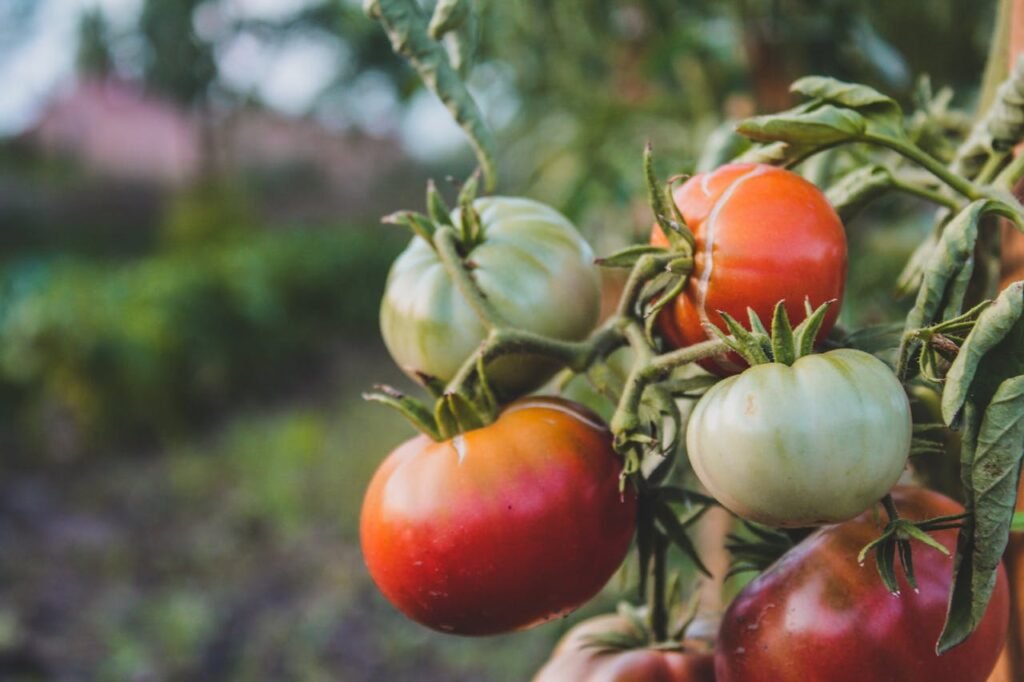
Frequently asked questions
Can I grow tomatoes from supermarket slices?
While it is technically possible to grow plants from supermarket tomato seeds, it is not recommended. Many supermarket tomatoes are F1 hybrids. The seeds from these will not produce a plant identical to the parent and may yield poor fruit. It is better to buy certified seeds from a reputable supplier like the Soil Association approved retailers.
Why are my tomato leaves curling?
Leaf curl can be a response to environmental stress, particularly wide temperature fluctuations between day and night. It can also be caused by aphid damage or viral infections. If the plant looks otherwise healthy and is producing fruit, physiological leaf curl is often harmless.
How do I ripen green tomatoes at the end of the season?
As autumn approaches, you may be left with green fruit. You can ripen these indoors. Place them in a drawer with a banana. The ethylene gas released by the banana encourages ripening. Alternatively, you can use green tomatoes in chutneys, a popular practice highlighted by BBC Good Food.
Do I need to remove lower leaves?
Yes, as the season progresses, removing the lower leaves allows better air circulation and sunlight to reach the ripening fruit. This also prevents soil-borne diseases from splashing onto foliage during watering.
The bottom line
Growing tomatoes in the UK requires preparation and vigilance, but the results are worth the effort. By selecting the right variety for your space—whether a greenhouse cordon or a patio bush—you can enjoy fresh produce throughout the summer.
Remember to water consistently to prevent blossom end rot and keep an eye out for blight during wet spells. Aside from the superior taste, growing your own vegetables contributes to a sustainable lifestyle and improves nutritional intake. As noted by Healthline, tomatoes are a functional food with potent antioxidant properties.
Whether you are a seasoned horticulturist or a beginner, following these steps will help you secure a successful harvest. Start small, prioritise soil health, and enjoy the process of growing your own food.