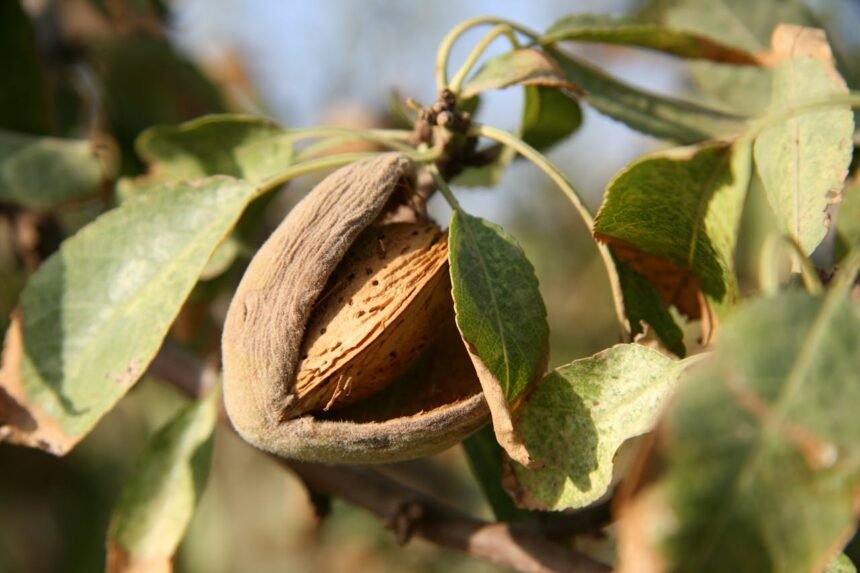
Green almonds are a fleeting seasonal delicacy that marks the arrival of spring in many Mediterranean and Middle Eastern cultures. Unlike the crunchy, brown nuts found on supermarket shelves year-round, green almonds are the young, developing fruit of the almond tree (Prunus dulcis). Harvested while the shell is still soft and the seed inside is gelatinous, these immature nuts offer a completely different sensory experience and nutritional profile compared to their mature counterparts.
While they are often treated as a culinary curiosity in the West, they are a staple superfood in other parts of the world. They are prized not only for their unique, tart flavor but also for their impressive concentration of nutrients. Understanding the benefits and uses of green almonds can help you diversify your diet and take advantage of this rare, nutrient-dense snack during its short harvest window.
Quick Facts
- Seasonality: Available for a short window of 4 to 8 weeks in early spring (usually April to mid-May).
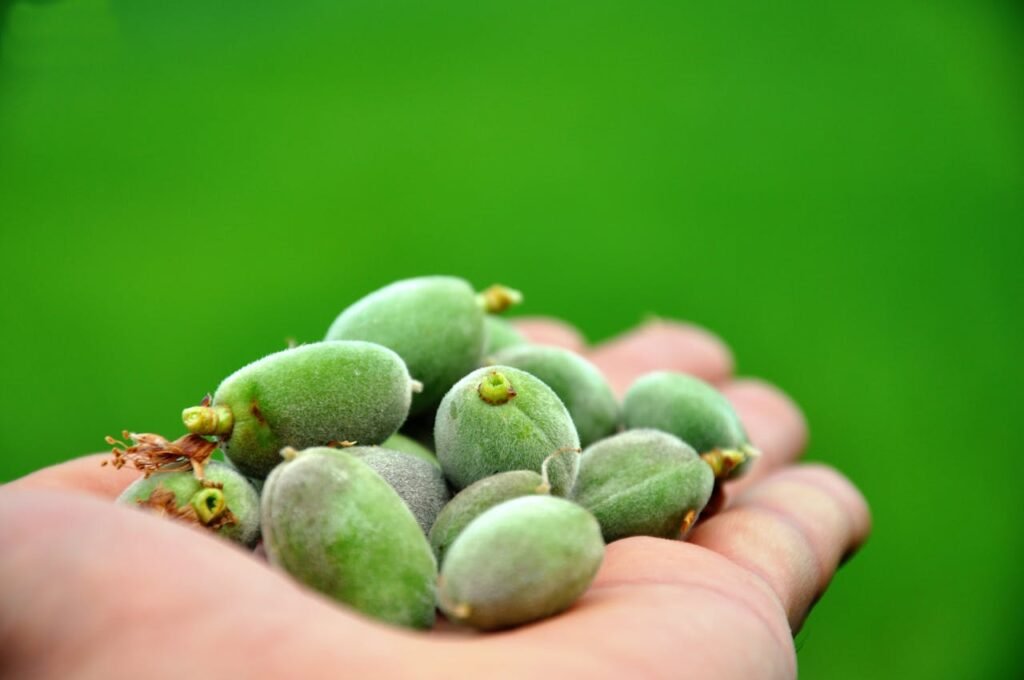
- Texture: Fuzzy exterior skin with a crunchy shell and a jelly-like or soft interior.
- Taste: Tart, grassy, acidic, and slightly floral—often compared to unripe peaches.
- Nutrition: Lower in calories than dry almonds but high in antioxidants, Vitamin E, and fiber.
- Preparation: Can be eaten raw (often with sea salt), pickled, or cooked in stews.
What Are Green Almonds?
Green almonds are essentially the raw, unripe version of the traditional almond. Before the almond hardens into the woody, brown nut we are familiar with, it grows inside a fuzzy, green hull. If left on the tree, the outer hull eventually dries and splits open, revealing the hard shell and the mature seed inside. However, green almonds are harvested long before this maturation process occurs.
Biologically, the almond is a drupe, not a true nut. In its green stage, the entire fruit is edible—including the fuzzy skin, the soft shell, and the embryonic kernel inside. As the season progresses, the inner shell begins to harden (a stage often called “shelling stage”), making the outer hull inedible, though the inner white kernel remains sweet and tender. To learn more about how nuts fit into a healthy lifestyle, read our guide on preparing nuts for maximum digestion.
Taste and Texture Profile
The flavor of a green almond is complex and distinct. The outer hull has a texture similar to a peach—fuzzy and firm. When bitten into, it offers a sharp, crisp crunch, followed by a burst of tartness. The center is soft, often described as gelatinous or milky, with delicate floral notes. This combination of sour and subtle sweetness makes them a popular palate cleanser. Because of their astringency, they pair exceptionally well with salt or brine, which helps neutralize some of the natural acidity.
Nutritional Profile
While mature almonds are dense in fats and calories, green almonds contain a higher water content, making them lower in calories by weight. However, they remain a potent source of essential micronutrients. According to data derived from the USDA FoodData Central, almonds in all forms are nutrient powerhouses.
Vitamins and Antioxidants
Green almonds are exceptionally rich in Vitamin E (alpha-tocopherol), a fat-soluble antioxidant that protects cells from oxidative damage. The skin of the green almond is also loaded with flavonoids and phenolic compounds, which work synergistically with Vitamin E to reduce inflammation in the body. For those looking to boost their intake of protective compounds, check out our list of top antioxidant-rich foods.
Research from the National Institutes of Health (NIH) highlights that Vitamin E is crucial for immune function and skin health. In their green state, the almonds possess a unique profile of polyphenols that may offer superior bioavailability compared to roasted nuts.
Healthy Fats and Protein
Although they have less fat than dried almonds, green almonds still provide significant amounts of monounsaturated fatty acids (MUFAs). These are the same heart-healthy fats found in olive oil. They also provide a moderate amount of plant-based protein, essential for tissue repair and muscle maintenance.
Health Benefits
Integrating green almonds into your diet during the spring season can offer several health advantages, ranging from improved heart health to better digestive function.
1. Supports Heart Health
The monounsaturated fats in green almonds help regulate cholesterol levels. They work by lowering low-density lipoprotein (LDL), often referred to as “bad” cholesterol, while maintaining or boosting high-density lipoprotein (HDL). The American Heart Association recommends replacing saturated fats with monounsaturated fats to reduce the risk of heart disease and stroke.
Furthermore, clinical studies published in PubMed suggest that regular almond consumption improves vascular health and reduces blood pressure. Incorporating green almonds is a fresh way to adhere to a heart-healthy diet plan.
2. Aids in Weight Management
Green almonds are rich in dietary fiber and protein, two nutrients that induce satiety. The fiber content adds bulk to your diet, slowing down digestion and keeping you feeling full longer. This can prevent overeating and snacking on processed foods. High-fiber diets are consistently linked to lower body weight. For more tips on maintaining a healthy weight, see our strategies for sustainable weight loss.
A study on satiety found that nuts, despite their energy density, do not lead to expected weight gain, likely due to inefficient energy absorption and increased satiety signals. You can read more about this phenomenon in research regarding nuts and body weight regulation.
3. Promotes Skin Health
The high concentration of Vitamin E in green almonds acts as an internal shield for your skin. It helps neutralize free radicals generated by UV exposure and pollution. Additionally, the hydration provided by the fresh nut contributes to skin elasticity. Traditionally, green almond paste has been used in various cultures as a topical remedy, but dietary intake is the most effective way to reap the benefits. This aligns well with a holistic approach to a clean eating lifestyle.
4. Enhances Digestion
The fibrous skin of the green almond acts as a prebiotic, feeding the beneficial bacteria in your gut. A healthy microbiome is essential for nutrient absorption and immune defense. Unlike roasted nuts, which can sometimes be heavy to digest for some individuals, the fresh, water-rich nature of green almonds is often gentler on the stomach. Learn more about the link between fiber and digestive health.
According to the Centers for Disease Control and Prevention (CDC), fiber is also vital for regulating blood sugar levels, preventing the spikes that lead to insulin resistance.
Culinary Uses: How to Eat Them
Green almonds are incredibly versatile, though their sour profile requires some culinary creativity for those unaccustomed to it.
Raw and Salted
The most traditional way to eat green almonds in the Middle East is raw, dipped in sea salt. The salt cuts the acidity of the fruit, creating a balanced, crunchy snack. This is a popular street food in countries like Lebanon, Syria, and Iran during the spring. For those looking for healthy snack ideas, this is a perfect whole-food option.
Pickled Green Almonds
Pickling extends the short shelf life of green almonds. When brined in vinegar, salt, and spices, the fuzzy skin softens, and the nut takes on an olive-like consistency. Pickled almonds are excellent additions to charcuterie boards, salads, or cocktails.
Cooked in Stews
In Persian and French cooking, green almonds are often blanched (to remove the fuzzy skin) and braised in stews. They add a bright, fresh texture to rich lamb or beef dishes. A famous dish, Khoresh Chaghaleh Badam, is a Persian stew made specifically with these fresh nuts, mint, and parsley. This fits well within the principles of the Mediterranean diet.
Potential Risks and Considerations
While generally safe, there are a few considerations to keep in mind regarding allergies and specific compounds found in bitter varieties.
Allergies
Green almonds are tree nuts. Individuals with a tree nut allergy should avoid them entirely. The proteins responsible for allergic reactions in dry almonds are also present in the green fruit. According to the American College of Allergy, Asthma, and Immunology, tree nut allergies can be severe and life-threatening. If you suspect an intolerance rather than an allergy, read our guide on distinguishing food sensitivities.
Bitter Almonds and Toxicity
It is important to distinguish between sweet green almonds and bitter almonds. Bitter almonds contain higher levels of amygdalin, a compound that releases cyanide when digested. Commercial green almonds sold in markets are almost exclusively the sweet variety. However, foraging for wild almonds carries risks. The National Institutes of Health (NIH) warns against consuming bitter almonds raw due to potential toxicity.
Oxalates
Like many nuts and seeds, almonds contain oxalates. Individuals with a history of calcium oxalate kidney stones should consume them in moderation. Balancing high-oxalate foods with calcium-rich foods can help mitigate risk. For alternatives, check our article on plant-based calcium sources.
Buying and Storing Tips
Finding green almonds can be a treasure hunt. They are typically found at farmers’ markets or Middle Eastern specialty grocers from April through May. When selecting them, look for firm, bright green hulls without brown spots or shriveling. The fuzz should be velvety, not slimy.
Storage: Green almonds are perishable. Store them in the refrigerator, unwashed, in a paper bag or a breathable container. They will stay fresh for up to three weeks. If you want to keep them longer, pickling or freezing are your best options. Proper food storage is key to preventing waste and maintaining nutrient density, a concept supported by FDA food safety guidelines.
The Bottom Line
Green almonds are a nutritional gem hidden within a short seasonal window. They offer a unique tart flavor and a crisp texture that differs significantly from the dry almond, along with a host of health benefits including heart protection, skin health, and weight management support. Whether you enjoy them raw with a pinch of salt, pickled, or braised in a spring stew, they provide a boost of Vitamin E, antioxidants, and healthy fats.
Due to their high fiber content and unique phytochemicals, they are a worthy addition to a varied, whole-food diet. If you are lucky enough to find them in your local market this spring, grab a handful and experience the fresh, grassy taste of the season. As always, for specific dietary concerns, consult with a healthcare provider.