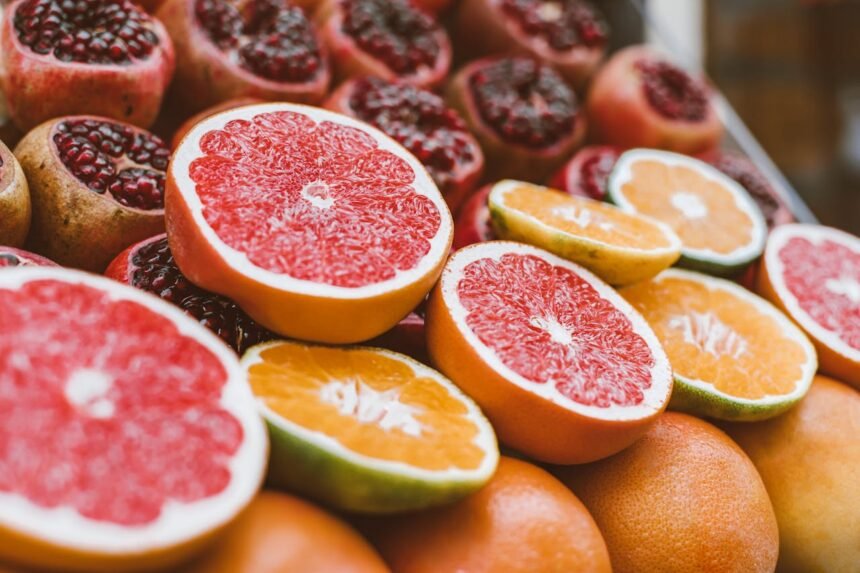
If you find yourself rummaging through the kitchen cupboards late at night, you are certainly not alone. Choosing the right late-night snack is a common dilemma, particularly for those trying to maintain a healthy weight or improve their sleep hygiene. One fruit that often sparks debate is the grapefruit.
Known for its tangy flavour and impressive nutrient profile, this citrus fruit is a staple in many diet plans. But is eating grapefruit at night a wise choice for your sleep quality and digestion? The answer is nuanced, depending largely on your personal health profile, your sensitivity to acidity, and any medications you may be taking.
This article explores the potential benefits and drawbacks of consuming grapefruit before bed, backed by scientific evidence and nutritional insights.
The Nutritional Powerhouse: An Overview
Before determining whether eating grapefruit at night is beneficial, it is essential to understand what is inside this subtropical citrus fruit. Grapefruit is nutrient-dense, meaning it provides a high amount of vitamins and minerals for relatively few calories.
A standard half of a grapefruit contains significant amounts of:
- Vitamin C: A potent antioxidant that supports immune function.
- Vitamin A: Essential for vision and skin health.
- Fibre: Crucial for digestive health and satiety.
- Potassium: An electrolyte that aids in fluid balance and muscle function.
Furthermore, grapefruit has a high water content (approximately 88%), which can help with hydration. Hydration is often overlooked as a factor in sleep quality, yet dehydration can lead to a dry mouth and nasal passages, potentially disrupting your rest.
For a detailed breakdown of the nutritional value, you can refer to the USDA FoodData Central database.
Potential Benefits of Eating Grapefruit at Night
While citrus fruits are often associated with morning routines, there are several reasons why grapefruit might serve as a suitable evening snack.
1. Low Glycaemic Index and Blood Sugar Stability
One of the primary enemies of a good night’s sleep is unstable blood sugar. Consuming high-sugar snacks before bed can cause a spike in glucose, followed by a crash that might wake you up in the middle of the night. Grapefruit has a low glycaemic index (GI), meaning it releases sugar into the bloodstream slowly.
This steady release helps maintain stable insulin levels, potentially preventing hunger pangs that could disturb your sleep. According to Harvard Health, low-GI foods are preferable for sustained energy regulation.
2. Promoting Satiety and Weight Management
If hunger keeps you awake, a heavy meal is not the answer, as it forces your digestive system to work overtime. However, a light snack is often recommended. The fibre content in grapefruit can help you feel full without consuming excessive calories.
Research suggests that including grapefruit in your diet is associated with weight loss and improved insulin resistance. For those managing their weight, eating grapefruit at night can curb cravings for less healthy, calorie-dense options like biscuits or crisps.
3. Presence of Lycopene and Antioxidants
Red and pink grapefruits are rich in lycopene, a powerful antioxidant responsible for their vibrant colour. Some studies suggest a correlation between lycopene intake and sleep patterns, although more research is needed to establish a direct cause-and-effect relationship.
According to a study available on PubMed, antioxidants play a vital role in reducing oxidative stress, which can negatively impact sleep duration and quality.
4. Potassium and Muscle Relaxation
Grapefruit contains potassium, a mineral that has been linked to muscle relaxation. While bananas are the most famous source, grapefruit contributes to your daily intake. Adequate potassium levels can help prevent leg cramps during the night, a common issue known as nocturnal leg cramps.
For more on the benefits of potassium, the Cleveland Clinic offers comprehensive resources.
The Downsides: Acidity and Heartburn
Despite the nutritional benefits, eating grapefruit at night is not suitable for everyone. The most immediate concern for many people is acid reflux.
The Mechanism of Reflux
Grapefruit is highly acidic. When you lie down shortly after eating acidic foods, gravity no longer helps keep stomach acid down. This can allow acid to flow back up into the oesophagus, causing heartburn or worsening Gastro-oesophageal Reflux Disease (GERD).
If you are prone to heartburn, consuming citrus fruits right before bed is generally discouraged. The Mayo Clinic lists citrus fruits as a common trigger for reflux symptoms.
Timing is Key
If you do wish to enjoy grapefruit in the evening, try to consume it at least two to three hours before lying down. This gives your stomach ample time to process the food and move it into the small intestine, significantly reducing the risk of reflux.
Critical Warning: Medication Interactions
This is the most critical section for safety. Grapefruit and grapefruit juice can interact dangerously with a wide array of prescription medications. This happens because grapefruit contains compounds called furanocoumarins.
These compounds block an enzyme called CYP3A4 in the small intestine. This enzyme helps metabolise (break down) many medicines. When the enzyme is blocked, more of the drug enters your blood and stays in your body longer, which can lead to dangerous side effects.
Common Medications Affected
- Statins: Used to lower cholesterol (e.g., atorvastatin, simvastatin).
- Calcium Channel Blockers: Used for high blood pressure.
- Immunosuppressants: Used after organ transplants.
- Anxiety Medications: Certain benzodiazepines.
According to the FDA, even small amounts of grapefruit can affect how these drugs work. If you take any regular medication, you must consult your GP or pharmacist before adding grapefruit to your nightly routine.

Grapefruit vs. Other Bedtime Snacks
To understand where grapefruit stands in the hierarchy of bedtime snacks, it helps to compare it with other common options.
| Snack Option | Pros for Sleep | Cons for Sleep |
|---|---|---|
| Grapefruit | Hydrating, low calorie, low GI. | High acidity (reflux risk), medication interactions. |
| Bananas | High potassium, contains tryptophan. | Higher sugar content than some berries. |
| Almonds | Contains magnesium and melatonin. | Calorie-dense; portion control is needed. |
| Yoghurt | Protein promotes fullness; contains calcium. | Dairy may cause digestive issues for some. |
For a broader look at sleep-promoting foods, the Sleep Foundation provides an excellent guide on diet and rest.
Practical Tips for Eating Grapefruit at Night
If you do not have acid reflux and are not on conflicting medications, grapefruit can be a refreshing evening snack. Here is how to incorporate it safely:
Pair It with Protein
Eating fruit alone can sometimes cause a minor blood sugar rise, even with low-GI fruits. Pairing grapefruit with a small amount of protein or healthy fat can blunt this response and keep you fuller for longer.
- Suggestion: Have half a grapefruit with a dollop of unsweetened Greek yoghurt or a small handful of walnuts.
Watch the Sugar
It is common to sprinkle sugar over grapefruit to counteract the bitterness. However, adding refined sugar right before bed is counterproductive to sleep.
- Alternative: If you need sweetness, try a light dusting of cinnamon or bake the grapefruit halves briefly to caramelise the natural sugars.
The Redder, The Better
Opt for ruby red or pink grapefruit over white varieties. They contain higher levels of antioxidants, specifically lycopene and beta-carotene.
According to Healthline, the antioxidant profile of red grapefruit is superior to that of white grapefruit, offering enhanced cellular protection.
Listen to Your Body
Bio-individuality is real. If you notice that eating grapefruit at night leaves you feeling bloated or gives you a slight burning sensation in the chest, it is simply not the right bedtime snack for you, regardless of the nutritional benefits.
Frequently Asked Questions
Does grapefruit contain melatonin?
Grapefruit is not a significant source of melatonin compared to tart cherries or pistachios. However, its vitamin C content can help reduce cortisol (stress hormone) levels, indirectly supporting the body’s transition to sleep. For more on natural sleep aids, WebMD offers a useful slideshow.
Will eating grapefruit burn fat while I sleep?
The idea that grapefruit burns fat specifically while you sleep is a myth. No food actively burns fat. However, because it is low in calories and high in water, it creates a calorie deficit more easily than other snacks, which supports weight loss over time. The NHS confirms that while fruit is essential, miracle fat-burning properties are often exaggerated.
The Bottom Line
Is eating grapefruit at night a healthy habit? For the majority of people, the answer is yes—with caveats.
Its low calorie count, high water volume, and ability to stabilise blood sugar make it a superior choice to processed snacks. It provides essential hydration and antioxidants that support overall health.
However, the acidity presents a real barrier for those with GERD or sensitive stomachs, potentially disrupting sleep rather than aiding it. Furthermore, the interaction with medications is a serious medical consideration that cannot be ignored.
Takeaway Checklist:
- Check your meds: Consult your doctor if you take statins or blood pressure medication.
- Monitor reflux: Avoid if you have a history of heartburn.
- Time it right: Eat it 2–3 hours before bed, not immediately before sleeping.
- Pair it up: Combine with a little protein for the best metabolic result.
By following these guidelines, you can enjoy the zesty benefits of grapefruit without compromising your night’s rest.