Finding healthy, satisfying dinner options that align with a specific dietary framework can often feel like a challenge. You might find yourself staring into the fridge, wondering how to create a meal that is both nutritious and packed with flavour.
The Paleo diet, which focuses on whole, unprocessed foods, offers a fantastic opportunity to explore the culinary world of seafood. Rich in protein, healthy fats, and essential vitamins, seafood is a cornerstone of this ancestral approach to eating.
Whether you are strictly following a Paleo lifestyle or simply looking to reduce processed ingredients in your diet, incorporating more fish and shellfish can yield significant health benefits. From supporting heart health to boosting brain function, the advantages are well-documented.
In this article, we explore the best Paleo seafood recipes and preparation methods. We will guide you through sourcing sustainable options, cooking techniques that preserve nutrients, and flavour combinations that will make you forget you are on a diet.
What Is the Paleo Diet and Where Does Seafood Fit?
The Paleo diet, often referred to as the ‘caveman diet’, mimics the eating habits of our hunter-gatherer ancestors. The core philosophy is to consume foods that were available before the advent of industrial agriculture.
This typically includes lean meats, fish, fruits, vegetables, nuts, and seeds. It excludes dairy, legumes, and processed grains. Because it eliminates processed carbohydrates, many people find it helpful for blood sugar management and weight control.
Seafood is arguably the most valuable component of this diet. Unlike red meat, which can be high in saturated fats, seafood is often rich in polyunsaturated fats, specifically Omega-3 fatty acids.
According to Healthline’s guide to the Paleo diet, fish is a staple protein source that should be consumed regularly. It provides a high-quality protein alternative that is easily digestible and nutrient-dense.
Why Prioritise Seafood for Health?
Before diving into the recipes, it is essential to understand why seafood is such a powerhouse for your health. Integrating fish into your weekly meal plan can have profound effects on your well-being.
Essential Omega-3 Fatty Acids
Fatty fish are the premier source of Omega-3s. These essential fats are crucial because our bodies cannot produce them on their own. They are known to fight inflammation and support heart health.
The NHS advises that a healthy diet should include at least two portions of fish a week, including one of oily fish. This intake is linked to a reduced risk of cardiovascular disease.
Vitamin D and Minerals
Many people in the UK suffer from Vitamin D deficiency, especially during the darker winter months. Oily fish is one of the few dietary sources of this vital nutrient, which is essential for bone health and immune function.
Additionally, seafood provides selenium, zinc, and iodine. According to the British Dietetic Association (BDA), these minerals play a critical role in metabolic health and thyroid function.
Top Paleo Seafood Recipe Concepts
When cooking Paleo, the goal is to avoid breadcrumbs, sugary marinades, and seed oils (like sunflower or rapeseed oil). Instead, we focus on fresh herbs, citrus, olive oil, and coconut milk.
Here are some of the best ways to prepare seafood that adhere to Paleo principles while delivering restaurant-quality taste.
1. Lemon and Herb Baked Salmon
Salmon is a favourite due to its rich flavour and high fat content. Baking it in foil or parchment paper ensures the fish stays moist and tender.
Ingredients to focus on:
- Fresh dill and parsley.
- Slices of organic lemon.
- Extra virgin olive oil or avocado oil.
- Garlic cloves (crushed).
Method:
Place the salmon fillet on a sheet of parchment paper. Drizzle generously with olive oil and season with sea salt and cracked black pepper. Top with lemon slices and fresh herbs. Wrap the paper to create a sealed packet and bake at 180°C for 12-15 minutes.
This method steams the fish in its own juices, preserving the delicate Omega-3 oils. The British Heart Foundation highlights that simple preparation methods like baking are superior to frying, as they add no unnecessary unhealthy fats.
2. Coconut Curry Cod
White fish like cod or haddock are leaner than salmon but are excellent vehicles for carrying bold flavours. Since dairy cream is excluded on Paleo, coconut milk is the perfect substitute for creating creamy, rich sauces.
Ingredients to focus on:
- Full-fat tinned coconut milk.
- Fresh ginger and turmeric.
- Red chillies.
- Lime juice.
- Spinach or kale.
Method:
Sauté onions, garlic, and ginger in coconut oil until soft. Add turmeric and chilli, then pour in the coconut milk. Let it simmer until it thickens slightly. Gently place chunks of cod into the sauce and poach for 6-8 minutes. Finish with a squeeze of lime and fresh coriander.
This dish is warming and anti-inflammatory. It pairs perfectly with cauliflower rice, a staple Paleo side dish.
3. Pan-Seared Scallops with Garlic Ghee
Shellfish are often overlooked but are incredibly nutrient-dense. Scallops cook in minutes and feel luxurious. While butter is technically dairy, many Paleo followers use Ghee (clarified butter) because the milk solids and lactose are removed.
Ingredients to focus on:
- Fresh large scallops.
- Ghee or avocado oil.
- Lemon zest.
- Chilli flakes.
Method:
Ensure the scallops are completely dry before cooking to get a good sear. Heat the ghee in a skillet until very hot. Sear the scallops for 2 minutes on one side and 1 minute on the other. Do not overcrowd the pan.
Serve these atop a puree of parsnips or sweet potatoes for a complete meal. According to Diabetes UK, including varied protein sources like shellfish helps manage appetite and blood glucose levels.
4. Spicy Prawn and Courgette Stir-Fry
Prawns are a fantastic lean protein source. A stir-fry is a quick weeknight dinner that allows you to pack in vegetables.
Ingredients to focus on:
- Raw king prawns.
- Courgettes (spiralised into noodles or sliced).
- Peppers and broccoli.
- Coconut aminos (a Paleo alternative to soy sauce).
Method:
Wok-fry the vegetables in avocado oil until just tender. Remove them, then sear the prawns with garlic and chilli. Return the vegetables to the pan and toss with coconut aminos.
This meal is light, low-carb, and high in fibre.
Nutrient Comparison of Paleo Seafood
Understanding the nutritional profile of different seafood types can help you tailor your diet to your specific needs. The table below compares 100g of cooked seafood.
| Seafood Type | Protein (g) | Omega-3 Content | Primary Micro-nutrients | Best Cooking Method |
|---|---|---|---|---|
| Salmon | 25g | High | Vitamin D, Selenium, B12 | Baking or Pan-searing |
| Cod | 20g | Low | Iodine, Phosphorus | Poaching or Curries |
| Mackerel | 24g | Very High | B12, Selenium | Grilling or Smoking |
| Prawns | 23g | Moderate | Zinc, Iodine, Copper | Stir-frying or Boiling |
| Mussels | 24g | High | B12, Manganese, Iron | Steaming |
Sourcing Sustainable Seafood
When consuming seafood regularly, sustainability is a critical consideration. Overfishing is a global issue, and making ethical choices ensures that fish stocks remain healthy for future generations.
Look for the Blue Label
The most reliable way to identify sustainable seafood in the UK is to look for the blue Marine Stewardship Council (MSC) label. This certification guarantees that the fishery meets strict sustainability standards.
The MSC explains that choosing certified seafood incentivises sustainable fishing practices globally. It provides assurance that the fish can be traced back to a certified sustainable source.
Seasonality Matters
Just like fruit and vegetables, fish have seasons. Eating fish that is in season in UK waters usually means it is fresher and has a lower carbon footprint.
According to BBC News, consumer choices have a direct impact on marine ecosystems. diversifying the types of fish you eat relieves pressure on popular species like cod and salmon.
Buying Frozen
Do not fear the frozen aisle. ‘Fresh’ fish at the counter has often been previously frozen or transported for days. Modern freezing technology captures the fish at peak freshness.
GOV.UK guidelines on healthy eating note that frozen fish is just as nutritious as fresh fish and is often more economical, helping you stick to your budget.
Tips for Successful Paleo Cooking
Transitioning to Paleo seafood cooking requires a few adjustments to your pantry and technique.
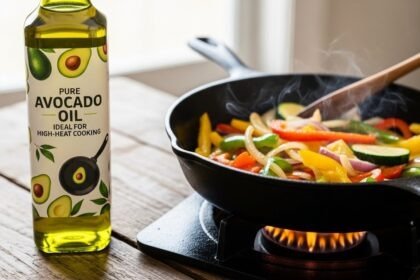
- Swap the Oils: discard vegetable and sunflower oils. High heat cooking should be done with avocado oil, ghee, or coconut oil. Low heat or finishing oils should be extra virgin olive oil.
- Watch the Condiments: Many pre-made sauces contain sugar and cornflour. Read labels carefully or make your own dressings using lemon juice, vinegar, and herbs.
- Crispy Skin: If you miss the crunch of breaded fish, focus on getting the skin crispy. Dry the skin thoroughly, salt it, and place it skin-side down in a hot pan. Do not move it until it releases naturally.
- Batch Cook: Fish cakes made with sweet potato and canned salmon are excellent for batch cooking. They can be frozen and reheated for a quick Paleo lunch.
Evidence from PubMed Central suggests that increased fish consumption is associated with lower levels of systemic inflammation, reinforcing the value of mastering these cooking techniques.
Frequently Asked Questions
Is canned fish Paleo-friendly?
Yes, absolutely. Canned sardines, mackerel, and salmon are convenient and nutritious. Just ensure they are packed in water or olive oil, rather than sunflower oil or sugary tomato sauces.
Can I eat shellfish if I have high cholesterol?
Shellfish do contain dietary cholesterol, but for most people, this has a minimal impact on blood cholesterol levels compared to saturated fats. However, it is always best to consult your GP. The Harvard T.H. Chan School of Public Health notes that seafood is generally a heart-healthy choice compared to red meat.
Is farmed fish okay to eat?
Farmed fish has improved significantly in quality. However, wild-caught fish often has a more favourable ratio of Omega-3 to Omega-6 fatty acids. If your budget allows, wild-caught is preferable, but farmed fish is still a nutritious option.
What can I use instead of breadcrumbs?
Ground almonds (almond flour) or crushed pork rinds make excellent coatings for fish if you are craving that fried texture without the gluten.
The Bottom Line
Adopting a Paleo framework for your seafood recipes is a delicious way to prioritise nutrient-density and whole foods. By focusing on high-quality proteins like salmon, cod, and prawns, and pairing them with healthy fats and vegetables, you can create meals that support your long-term health.
Remember to vary your choices to minimise environmental impact and maximise nutritional intake. Whether you are searing scallops in ghee or baking a simple lemon cod, the benefits of increasing your seafood intake are undeniable.
Start with one new recipe this week. Your body—and your taste buds—will thank you.