Noticing a change in your complexion can be startling. If you have observed that your skin is taking on a golden, orange, or lemon-tinted hue, you are likely looking for answers. While yellow skin is often associated with liver issues, the causes can range from harmless dietary habits to serious underlying medical conditions that require immediate attention.
In the medical world, this yellowing is frequently referred to as jaundice. It occurs when there is a build-up of a yellowish pigment called bilirubin in the blood. However, not every case of a yellowed complexion is jaundice. Understanding the nuances of your symptoms is the first step toward finding the right treatment.
What Causes Yellow Skin?
The reasons behind a change in skin colour are varied. Broadly, they are categorised into issues affecting the liver, the blood, or your nutritional intake.
1. High Bilirubin Levels (Jaundice)
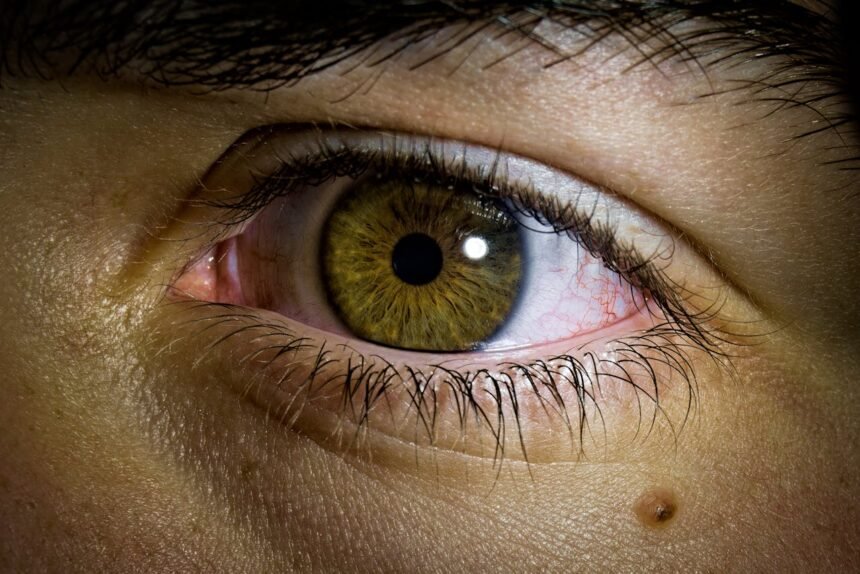
The most common medical cause of yellow skin is elevated bilirubin levels. Bilirubin is a waste product created when old red blood cells break down. Normally, the liver filters bilirubin from the bloodstream and sends it into the digestive tract to be excreted. If this process is interrupted, bilirubin builds up and leaks into the surrounding tissues, causing a yellow tint. This often manifests first as scleral icterus, which is the yellowing of the white parts of the eyes.
2. Liver and Gallbladder Issues
The liver is the primary “processing plant” for bilirubin. Any condition that damages the liver can result in jaundice. Common culprits include:
- Hepatitis B and C: Viral infections that cause liver inflammation.
- Cirrhosis of the liver: Long-term scarring often caused by alcohol use or chronic infection.
- Blockages in the bile ducts: Often caused by gallstones or tumours.
- Gilbert’s syndrome: A common, harmless genetic condition where the liver doesn’t process bilirubin perfectly.
3. Dietary Factors (Carotenemia)
If your skin looks orange-yellow but the whites of your eyes remain pearly white, you might have carotenemia. This occurs due to excessive beta-carotene intake. If you consume large amounts of carrots, pumpkins, or sweet potatoes, the pigment can deposit in the outer layer of your skin. According to Healthline, this is a benign condition and usually resolves once you reduce your intake of these foods.
4. Blood Disorders
Sometimes the problem isn’t the liver, but the rate at which red blood cells are being destroyed. Certain types of haemolytic anaemia cause red blood cells to break down too quickly, overwhelming the liver’s ability to process the resulting bilirubin.
Symptoms to Watch Out For
While yellow skin is a symptom itself, it rarely appears in isolation when a medical issue is present. You should monitor your body for the following “red flag” symptoms:
- Itchy skin (pruritus) caused by the accumulation of bile salts.
- Passing dark urine (often described as looking like tea or cola).
- Noticing pale stools or clay-coloured bowel movements.
- Unexplained abdominal pain, particularly in the upper right side.
- Fever, chills, or sudden weight loss.
Jaundice vs. Carotenemia: How to Tell the Difference
It is vital to distinguish between a dietary quirk and a medical emergency. Use the table below to help identify your symptoms.
| Feature | Jaundice | Carotenemia |
|---|---|---|
| Eye Colour | Whites of eyes turn yellow (Scleral Icterus) | Whites of eyes remain white |
| Primary Cause | High bilirubin (liver/gallbladder/blood issues) | High beta-carotene (dietary) |
| Urine Colour | Often dark or “tea-coloured” | Normal |
| Severity | Potentially serious; requires medical review | Harmless; resolves with diet change |
How is Yellow Skin Diagnosed?
If you visit a GP or a healthcare provider regarding skin discolouration, they will likely perform a series of tests to find the root cause. This diagnostic journey often includes:
- Physical Examination: Checking for liver swelling or abdominal tenderness.
- Liver Function Tests: Blood tests that measure enzymes and proteins produced by the liver.
- Bilirubin Test: To measure the exact amount of pigment in your blood.
- Imaging: Ultrasounds or CT scans to look for blockages in the gallbladder or serious conditions like pancreatic cancer.
- Biopsy: In some cases, a small sample of liver tissue may be taken for further analysis, as noted by the British Liver Trust.
Special Considerations: Yellow Skin in Babies
It is very common for infants to experience newborn jaundice shortly after birth. This occurs because a baby’s liver is still maturing and cannot always clear bilirubin efficiently. While often harmless, it requires monitoring by a midwife or paediatrician. According to Great Ormond Street Hospital, phototherapy (light treatment) is a standard and effective way to lower bilirubin in infants.
Treatment and Management
The treatment for yellow skin depends entirely on the cause. There is no single “cure” because the yellowing is a symptom, not the disease itself.
For infections like Hepatitis B and C, antiviral medications may be prescribed. If the cause is cirrhosis of the liver, management focuses on preventing further damage through lifestyle changes and medication. When a blockage like a gallstone is the culprit, a surgical procedure may be necessary to clear the bile ducts. For those with Gilbert’s syndrome, no treatment is typically required as it does not damage the liver, according to Patient.info.
If your condition is dietary, simply reducing your intake of orange vegetables will allow your skin tone to return to normal over several weeks.
Prevention and Liver Health
While some causes are genetic, you can take steps to protect your liver and reduce the risk of jaundice. High-authority sources like NIDDK and the American Liver Foundation suggest:
- Maintaining a healthy weight to prevent non-alcoholic fatty liver disease.
- Limiting alcohol consumption to reduce the risk of cirrhosis of the liver.
- Getting vaccinated against Hepatitis A and B.
- Avoiding high-risk behaviours that could lead to viral infections.
Frequently Asked Questions (FAQs)
Is yellow skin always a sign of liver failure?
No. While liver issues are a common cause, yellow skin can also be caused by gallbladder disease, certain blood disorders, or even eating too many carrots (carotenemia). However, it should always be investigated by a doctor to rule out serious conditions.
Can stress cause my skin to turn yellow?
Stress itself does not cause jaundice. However, if you have a pre-existing condition like Gilbert’s syndrome, physical or emotional stress can cause a temporary spike in bilirubin, making your skin appear slightly yellow for a short period.
How long does it take for jaundice to go away?
The timeline depends on the cause. For a newborn, it may resolve in a week. If the cause is an infection, it may take several weeks of treatment. If it is dietary, it can take up to a month for the excess carotene to leave your system. Always consult World Health Organization guidelines or your local GP for personalised medical advice.
When is yellow skin a medical emergency?
If the yellowing is accompanied by severe abdominal pain, high fever, confusion, or vomiting blood, seek emergency medical care immediately. These could be signs of acute liver failure or a severe infection. More information on symptoms related to pancreatic cancer can be found at Cancer Research UK.
For more detailed clinical studies on bilirubin metabolism, you can explore resources on The BMJ or Johns Hopkins Medicine. To learn more about metabolic health, visit Harvard Health or check general health queries on WebMD or MedlinePlus.