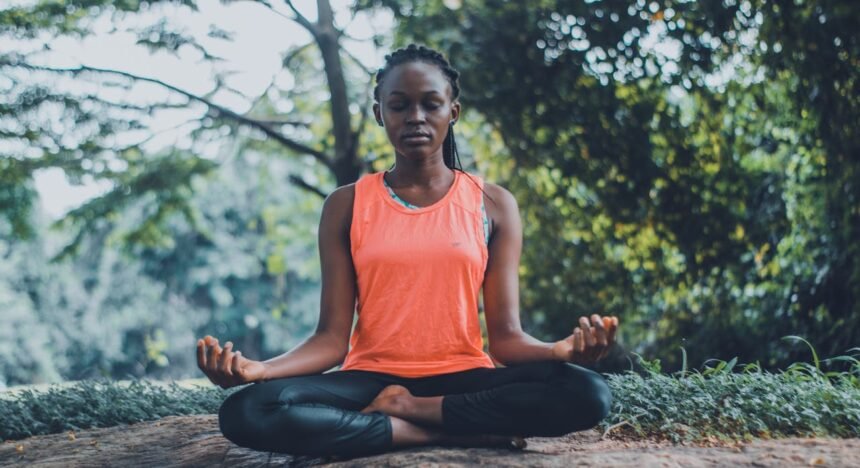
In an era defined by hyper-connectivity and relentless pacing, the concept of home as a sanctuary has never been more critical. For many, the home has transformed into a hybrid space of work, rest, and play, often blurring the lines between relaxation and obligation. Amidst this chaos, the practice of simple meditation at home serves as a vital anchor, offering a scientifically backed method to reclaim mental clarity and reduce physiological stress.
Establishing a meditation practice does not require an ascetic lifestyle or a retreat to the mountains. It requires only intention, a modest amount of space, and a willingness to pause. This guide explores how to integrate professional-grade wellness practices into your domestic life, turning your living space into a true sanctuary for the mind.
The Science of Silence: Why Meditate?
Before diving into the how, it is essential to understand the why. Meditation is no longer just a spiritual endeavor; it is a physiological necessity validated by rigorous clinical research. When you engage in simple meditation at home, you are actively altering your brain’s neural pathways—a concept known as neuroplasticity.
Research conducted by the National Center for Complementary and Integrative Health (NCCIH) indicates that regular meditation can significantly reduce psychological distress. The practice triggers the “relaxation response,” a term coined by Dr. Herbert Benson, which counteracts the fight-or-flight response dominated by the sympathetic nervous system.
Key benefits include:
- Cortisol Reduction: Lowering the body’s primary stress hormone.
- Enhanced Focus: Improving the ability to sustain attention in an increasingly distracted world.
- Emotional Regulation: Providing a buffer against anxiety and depression.
Creating Your Home Sanctuary
Environment plays a pivotal role in habit formation. You do not need a dedicated wing of your house to meditate; a consistent corner is sufficient. The goal is to signal to your brain that this specific physical space is reserved for stillness.
1. The Acoustics and Ambiance
Ideally, choose a location with minimal noise intrusion. If silence is impossible—common in urban apartments—consider using white noise machines or noise-canceling headphones. The Sleep Foundation notes that consistent ambient sound can mask disruptive noises, allowing for deeper relaxation.
2. Ergonomics and Seating
Contrary to popular belief, you do not need to sit in the lotus position. The priority is an upright spine that allows for unimpeded breathing. A firm cushion, a yoga block, or even a straight-backed dining chair are excellent options. The Cleveland Clinic emphasizes that physical comfort is a prerequisite for mental focus; if you are in pain, you cannot meditate effectively.
3. Lighting and visual Cues
Soft, warm lighting helps shift the autonomic nervous system towards rest. Consider dimming harsh overhead lights or using candles. Visual clutter can lead to mental clutter, so try to keep your sanctuary corner tidy.

Core Techniques: Simple Meditation at Home
For beginners, the landscape of meditation can seem vast. To avoid analysis paralysis, we will focus on three foundational techniques that are accessible, effective, and require no equipment.
Mindfulness Breathing (Vipassana)
Mindfulness is the practice of anchoring your attention to the present moment. It is the gold standard for simple meditation at home because it utilizes a tool you always have: your breath.
- Posture: Sit comfortably with your back straight.
- Focus: Close your eyes and direct your attention to the sensation of air entering your nostrils or the rise and fall of your chest.
- Redirect: When your mind wanders (and it will), gently acknowledge the thought without judgment and return your focus to the breath.
This simple act of returning is the “rep” that strengthens your mental muscle. According to the American Psychological Association (APA), mindfulness is particularly effective at reducing rumination and working memory issues.
The Body Scan
This technique is excellent for releasing physical tension and is often recommended for those who struggle to sit still. It involves mentally scanning your body from head to toe.
- Start: Lie down or sit comfortably. Close your eyes.
- Scan: Bring awareness to your toes. Notice any sensation—tingling, warmth, or tension.
- Move: Slowly move your attention up through your feet, ankles, calves, and knees, eventually reaching the crown of your head.
- Release: As you notice tension in a specific area, imagine breathing into that space and allowing it to soften.
Resources from UCLA Health offer excellent audio guides for body scan meditations.
Loving-Kindness (Metta)
Metta meditation focuses on developing feelings of goodwill and compassion. It is a powerful antidote to anger and self-criticism.
- Self-Compassion: Begin by silently repeating, “May I be happy. May I be well. May I be safe.”
- Expand: Once you feel a sense of warmth, extend these wishes to a loved one: “May you be happy. May you be well.”
- Universal: Eventually, extend this to acquaintances, difficult people, and finally, all beings.
The Greater Good Science Center at UC Berkeley highlights that Metta meditation increases vagal tone, which is associated with better physiological control over emotions.
Comparative Analysis of Meditation Styles
Choosing the right technique is crucial for long-term adherence. The following table breaks down common styles to help you decide which fits your current needs.
| Meditation Style | Primary Anchor | Ideal For | Difficulty Level | Suggested Duration (Beginner) |
|---|---|---|---|---|
| Mindfulness | Breath | Anxiety, Focus, General Wellness | Beginner | 5–10 Minutes |
| Body Scan | Physical Sensation | Insomnia, Chronic Pain, Tension | Beginner | 10–15 Minutes |
| Metta | Mantras/Phrases | Anger, Self-Esteem, Empathy | Intermediate | 10–20 Minutes |
| Zazen | Posture/Open Awareness | Spiritual Insight, Discipline | Advanced | 20–30 Minutes |
| Transcendental | Specific Mantra | Deep Relaxation, Stress Relief | Beginner/Intermediate | 15–20 Minutes |
Overcoming Common Hurdles
Even with the best intentions, maintaining a simple meditation at home routine encounters friction. Here is how to navigate common obstacles.
“I Can’t Clear My Mind”
This is the most common misconception. The goal is not to have a blank mind; the goal is to notice the thinking. Every time you notice you are thinking and return to the anchor, you are succeeding. Experts at Harvard Health emphasize that the practice is about awareness, not emptiness.
“I Don’t Have Time”
If you have time to scroll through social media, you have time to meditate. Start with micro-doses. Three minutes of conscious breathing before opening your laptop can be transformative. Consistency trumps duration. As noted by habits expert James Clear, habit stacking—adding meditation immediately after an existing habit like brewing coffee—can drastically improve adherence.
Integrating Tech: Apps vs. Analog
In the digital age, should you use an app to disconnect? For beginners, guided meditations via apps like Headspace or Calm can be incredibly helpful training wheels. They provide structure and timing. However, the ultimate goal for many is to be able to sit in silence without digital aid.
If you choose to use technology, ensure your device is on “Do Not Disturb.” The Mayo Clinic suggests that while guided imagery is beneficial, the eventual transition to self-guided practice can deepen the sense of self-reliance and internal control.
Physical Health Correlations
While often viewed through the lens of mental health, the physical benefits of maintaining a home sanctuary for meditation are profound. Regular practice has been linked to better heart health.
The American Heart Association reports that meditation can help lower blood pressure and reduce the risk of heart disease. Furthermore, by managing the stress response, you protect your immune system from the degrading effects of chronic cortisol exposure, as detailed by Yale Medicine.
Conclusion
Building a practice of simple meditation at home is an investment in your greatest asset: your mind. It offers a refuge from the external noise and a method to cultivate internal resilience. By setting up a dedicated space, choosing a technique that resonates with you, and committing to small, consistent efforts, you can transform your home into a true sanctuary of wellness.
Do not wait for the perfect moment or the perfect quiet. Start where you are, with the time you have. Your sanctuary awaits.
Ready to transform your routine? Begin with just five minutes tomorrow morning and witness the shift in your day.