If you spend the majority of your day sitting, you are likely no stranger to the nagging ache in your lower back or the stiffness in your neck. Standard office chairs, while designed for comfort, often encourage a slouched posture that wreaks havoc on your musculoskeletal health. Enter the saddle stool—a unique, equestrian-inspired seating solution that is transforming the way we work.
Unlike traditional chairs, a saddle stool mimics the position of a horse rider. By tilting the pelvis forward and encouraging a wider stance, it helps maintain the natural curve of your spine. In this guide, we will explore why this piece of ergonomic seating is gaining popularity among healthcare professionals, office workers, and anyone looking to prioritise their physical wellbeing.
The Science of Sitting: How a Saddle Stool Works
Traditional chairs often lead to a “C-shape” spine, which puts immense pressure on the intervertebral discs. Research published in Nature suggests that prolonged poor posture can lead to chronic pain and decreased productivity. A saddle stool promotes what experts call active sitting.
When you sit on a saddle seat, your hips are at an open angle (usually around 135 degrees), compared to the 90-degree angle of a standard chair. This specific pelvis tilt allows the spine to stack naturally, reducing the load on your lower back. This alignment is often recommended by the NHS as a way to correct common posture mistakes.
Key Benefits of Switching Your Seat
- Improved Spinal Alignment: By supporting the natural S-curve of the back, it reduces the risk of long-term lower back pain.
- Enhanced Core Strength: Because the stool lacks a traditional backrest, your abdominal and back muscles must engage to keep you upright, gradually building core strength as discussed by Medical News Today.
- Increased Blood Circulation: The open hip angle prevents the pinching of blood vessels in the thighs, improving blood circulation to the lower limbs.
- Greater Hip Flexibility: The wide stance required by the stool can improve hip flexibility over time, reducing stiffness after a long day.
Saddle Stool vs. Traditional Office Chair
Choosing the right seat depends on your daily tasks. While a plush executive chair might feel good for ten minutes, a saddle stool is often better for eight hours of focus. It is particularly effective when paired with a sit-stand desk, allowing for easy transitions between sitting and standing.
The following table compares the key features of both seating types:
| Feature | Traditional Office Chair | Saddle Stool |
|---|---|---|
| Posture Support | Passive (relies on backrest) | Active (posture correction) |
| Hip Angle | 90 degrees | 135 degrees |
| Core Engagement | Low | High |
| Mobility | Limited | High (excellent swivel chair action) |
Who Should Use a Saddle Stool?
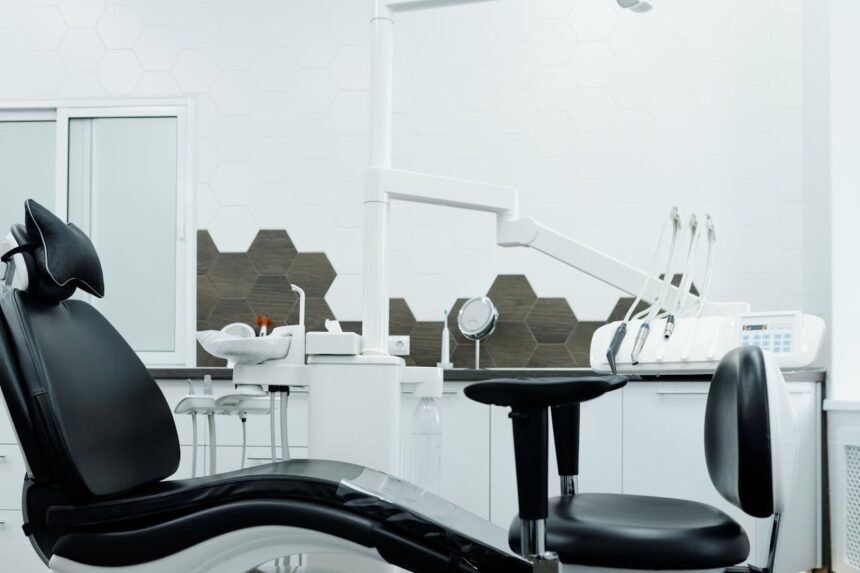
While anyone can benefit from better spinal alignment, certain professions find the saddle stool indispensable. For instance, it is the gold standard for a dental stool because it allows dentists to get close to patients while maintaining a healthy back position. The British Dental Association often highlights the importance of ergonomics in preventing career-ending injuries.
Other groups who should consider the switch include:
- Healthcare Workers: Surgeons and nurses often utilise these stools for precision work.
- Creatives: Artists and architects who need to lean over large surfaces while maintaining lumbar support.
- Remote Workers: Those looking to optimise their home office for long-term health, as suggested by Mayo Clinic.
What to Look for When Buying
Not all stools are created equal. When shopping for your saddle stool, look for a height-adjustable model to ensure your feet can rest flat on the floor. Some models offer a “split-seat” design, which can further reduce pressure on the perineal area and improve ventilation. According to OSHA, adjustability is the most critical factor in office ergonomics.
It is also wise to consult with professionals such as the Chartered Society of Physiotherapy if you have pre-existing conditions. For those with specific spinal issues, organisations like Spine-Health and Harvard Health provide excellent resources on choosing supportive furniture.
Transitioning to Your New Stool
Switching to a saddle stool is a bit like starting a new exercise programme. Because you are engaging muscles that may have been dormant for years, you might feel some initial fatigue. Johns Hopkins Medicine recommends transitioning slowly—start with 30 minutes a day and gradually increase your time.
If you experience significant discomfort, check your setup. Ensure your desk is high enough; a saddle stool sits higher than a standard chair, so a traditional desk may feel too low. You might need to raise your monitors to maintain eye level, a tip often shared by UK Government Health and Safety guidelines.
For those managing existing pain, resources from Versus Arthritis or a consultation with the General Osteopathic Council can help tailor your ergonomic choices to your specific needs. Research on musculoskeletal health available through NCBI further confirms that dynamic seating can significantly mitigate work-related discomfort.
Frequently Asked Questions (FAQs)
Is a saddle stool good for lower back pain?
Yes, for many people, a saddle stool helps alleviate lower back pain by encouraging the pelvis to tilt forward, which restores the natural curve of the spine and reduces disc pressure.
How long does it take to get used to a saddle stool?
Most users require an adjustment period of 1 to 2 weeks. During this time, you may feel some “muscle soreness” in your core and inner thighs as your body adapts to active sitting.
Can I use a saddle stool with a normal desk?
A saddle stool usually requires a higher desk surface than a standard chair. While it can work with some fixed desks, it is most effectively paired with a height-adjustable sit-stand desk to ensure your arms are at a comfortable 90-degree angle.
Does it really help with core strength?
By removing the backrest, the stool forces your postural muscles to work harder. While it won’t replace a gym workout, it provides a consistent, low-level engagement that supports long-term core strength.