While most of us are intimately familiar with the knobbly, spicy rhizome found in the vegetable aisle, the ginger flowers that bloom above ground often go unnoticed in Western kitchens. However, throughout Southeast Asia and tropical regions, these stunning blossoms are revered not just for their beauty, but for their unique flavour and impressive health profiles.
From the fiery Torch Ginger to the subtle Shell Ginger, these blooms offer a complex sensory experience that combines the zest of citrus with the warmth of traditional ginger.
This article provides an exhaustive look at edible ginger flowers, their health benefits, safety considerations, and how to incorporate them into your daily diet.
Overview
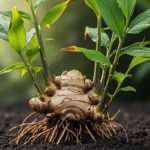
The ginger plant (Zingiber officinale) is merely one member of a vast botanical family, the Zingiberaceae. While the root is the star of the show globally, several species within this family produce edible inflorescences (clusters of flowers) that are culinary staples in cuisines like Peranakan, Thai, and Malay.
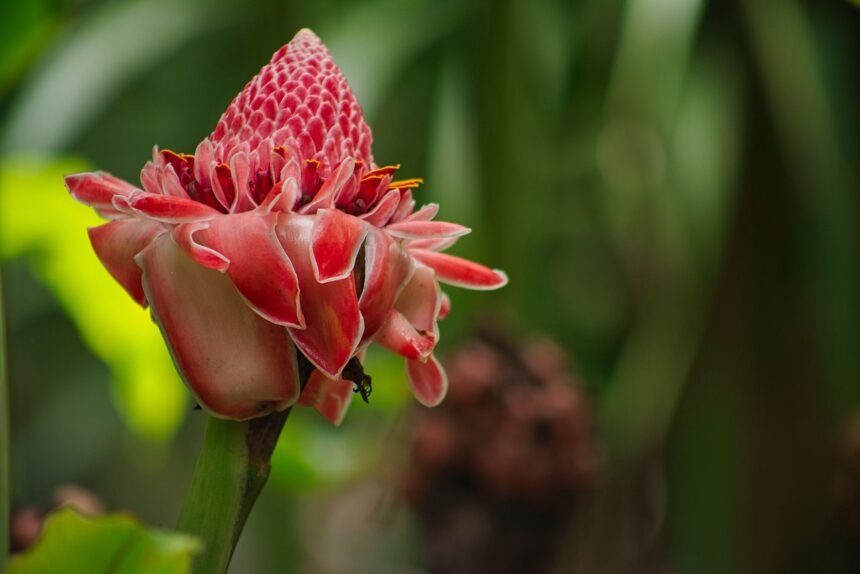
The most prominent among these is the Torch Ginger (Etlingera elatior), known locally in Malaysia as ‘Bunga Kantan’. Unlike the root, which is purely spicy, the flower offers a sour, floral, and grassy profile. It is a crucial ingredient in dishes like Laksa and various spicy salads.
Understanding the distinction between edible varieties and strictly ornamental ones is vital. As interest in foraging and exotic ingredients grows, so does the need for proper identification to avoid ornamental ginger toxicity.
Whether you are looking to diversify your nutrient intake or simply want to elevate your cooking, understanding the ginger blossom flavour profile is the first step.
Identification and Varieties
Before adding any flower to your plate, it is essential to know exactly what you are looking for. Not all ginger plants are created equal, and some are grown exclusively for visual appeal rather than consumption.
Torch Ginger (Etlingera elatior)
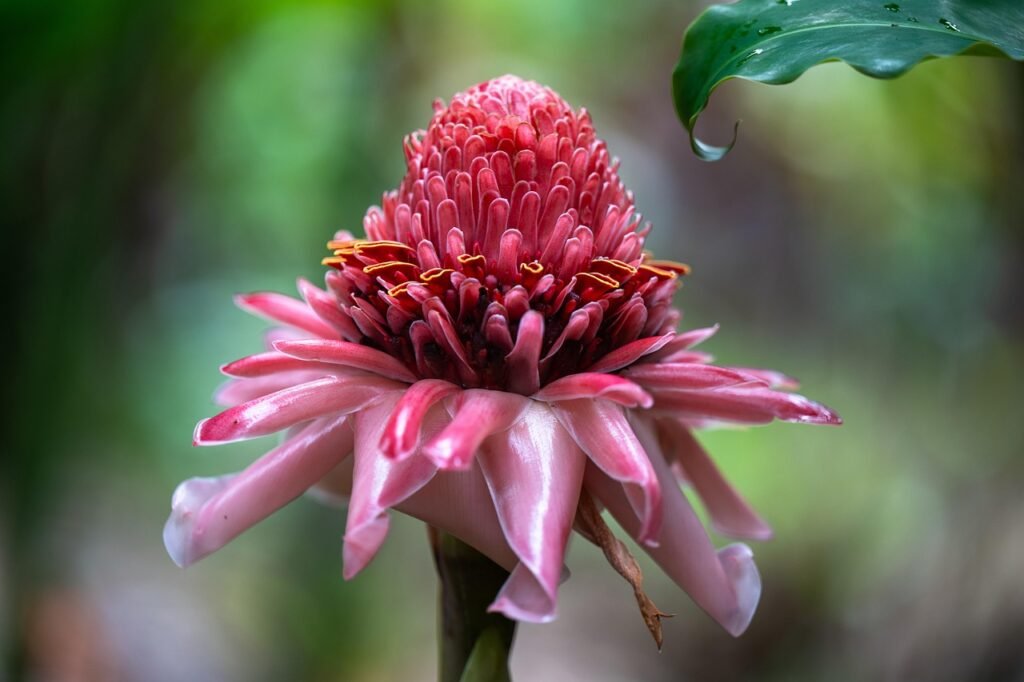
This is the gold standard for edible ginger flowers. The bud is pink to bright red and resembles a flaming torch. It is harvested before it fully blooms. This variety is often the subject of a bunga kantan recipe, providing a distinct tartness that cuts through rich, fatty broths.
Shell Ginger (Alpinia zerumbet)
Another common variety is Shell Ginger. The shell ginger flower edible parts are often used in teas or sweet dishes. They look like seashells before opening and have a milder, sweeter aroma compared to the Torch Ginger.
Wild Ginger Varieties
When foraging, wild ginger flower identification is critical. Some wild varieties, particularly those in the Asarum genus (often called wild ginger but botanically different), can contain aristolochic acid, which is toxic. Always ensure you are sourcing true Zingiberaceae species. For more on safety in the wild, read our guide on Wild Ginger: Safety and Culinary Applications.
Blue Ginger
While often referring to the rhizome Galangal, the flowering aspect of Alpinia galanga is also utilized in specific traditional medicines. You can learn more about this specific plant in our article on Blue Ginger: Identification and Health Benefits.
Health Benefits and Nutritional Value
The nutritional value of ginger buds goes beyond simple macronutrients. These flowers are packed with bioactive compounds that function similarly to the rhizome but often with different concentrations of essential oils.
1. High Antioxidant Content
Research has shown that the ginger flower antioxidant properties are potent. The vibrant reds and pinks of the Torch Ginger are due to anthocyanins and flavonoids. These compounds help combat oxidative stress in the body. According to research published on NCBI, the antioxidant activity in these flowers can be comparable to superfruits.
2. Digestive Health
Much like the root, the flower contains fibre and essential oils that aid digestion. Consuming ginger flower tea benefits the gut by reducing bloating and nausea. If you enjoy liquid remedies, you might also like Soothing Your Stomach with Ginger Root Tea.
3. Antimicrobial Properties
Traditionally, the red ginger flower uses included treating wounds and infections. Modern studies suggest that extracts from Etlingera elatior possess strong antibacterial properties, particularly against common food-borne pathogens. This makes it a functional food that supports the immune system. For a concentrated approach to immunity, consider reading Are Ginger Shots Actually Good for Your Immunity?.
4. Anti-Inflammatory Effects
Chronic inflammation is a driver for many diseases. The bioactive compounds in Etlingera elatior edible flowers act as natural anti-inflammatory agents. Regular consumption may assist in managing conditions related to inflammation, similar to the benefits found in Fresh Ginger: Selection, Storage, and Health Uses.
Culinary Uses and Preparation
The culinary uses of ginger blooms are vast. While the root provides heat, the flower provides fragrance and acidity. Here is how to manage the ingredient in your kitchen.
Preparation Techniques
To prepare a Torch Ginger bud, peel away the tough outer petals until you reach the softer, pale pink interior. Slice this core thinly. The texture is crisp and somewhat fibrous, similar to lemongrass but more tender.
If you are intimidated by processing raw flowers, you might be more comfortable starting with processed forms. See How to Use Ginger Paste in Your Daily Cooking for a simpler introduction to ginger flavours, though the flower will always offer a superior aromatic complexity.
Common Dishes
- Laksa and Curries: The most famous use is in Penang Asam Laksa. The flower is sliced and added to the broth or used as a garnish.
- Kerabu (Salads): An Asian ginger flower salad often combines the shredded flower with lime, toasted coconut, and chilli. It brings a perfume-like quality that lifts the entire dish.
- Syrups and Drinks: You can boil the petals to extract the pink colour and floral taste for syrups. This is a sophisticated alternative to standard recipes found in Ginger Syrup Recipes for Drinks and Desserts.
- Pickling: Just like the root, the flower buds can be pickled. For context on why this is beneficial, check out The Nutritional Benefits of Pickled Ginger.
A Note on Flavour
The torch ginger flower taste is distinct: floral, grassy, citrusy, and slightly spicy. It does not have the intense heat of the mature root. If you are looking to replicate the heat rather than the floral notes, you might be better off learning How to Make Ginger Juice for Better Digestion.
Tips for Buying and Storing
Finding fresh ginger flowers can be challenging outside of tropical regions. They are best sourced from Asian supermarkets or specialty growers.
- Selection: Look for tight buds that have not yet opened. The tip should be free of browning or mould. The stem should be firm.
- Storage: These flowers wilt quickly. Wrap the stem in a damp paper towel and store it in the vegetable crisper. They should be used within 3 to 5 days.
- Home Growing: If you live in a warm climate or have a greenhouse, you can grow them yourself. It requires patience and specific humidity. For a comprehensive guide, see The Ultimate Guide to Ginger Plant Care at Home.
- Preservation: If you have an abundance, you can freeze the whole buds or blend them into a paste. While fresh is best, frozen flowers work adequately for soups.
Alternatives
If you cannot find fresh flowers, some chefs use a mix of lemongrass and lime zest to approximate the flavour, though the unique Rohingya ginger flower aromatic profile is hard to duplicate perfectly. Essential oils can also mimic the scent, but ensure they are food grade. For non-food applications of ginger scents, refer to A Guide to Using Ginger Oil for Aromatherapy.
Safety and Precautions
While generally safe, there are considerations to keep in mind regarding cooking with torch ginger and other varieties.
- Allergies: As with any plant, allergic reactions are possible. If you are sensitive to turmeric or cardamom, proceed with caution.
- Pesticides: Because these are often sold as ornamental flowers in non-food markets, ensure you are buying “food grade” or organic flowers to avoid pesticide residues.
- Supplements: If you are taking concentrated extracts, consult a doctor. Learn more about concentrations in Understanding the Uses of Potent Ginger Extract.
For more information on plant safety, the Royal Botanic Gardens, Kew provides excellent botanical data.
The Bottom Line
Edible ginger flowers, particularly the Torch Ginger, are a powerhouse of flavour and nutrition. They offer a unique ginger blossom flavour profile that transforms salads, soups, and teas into aromatic masterpieces. Beyond their culinary worth, the ginger flower antioxidant properties provide a compelling health reason to hunt them down in your local Asian grocer.
Whether you are attempting a traditional bunga kantan recipe or experimenting with a refreshing Asian ginger flower salad, these blooms are a safe and delicious way to expand your palate. Just remember to verify your variety to avoid ornamental ginger toxicity and enjoy the floral zest that only these tropical beauties can provide.